Creat­ing the Future
Alumni - Doctoral projects

Defin­ing novel resilience pathways in rare monogenic disorders

Daniel Petersheim - Hector Fellow Christoph Klein

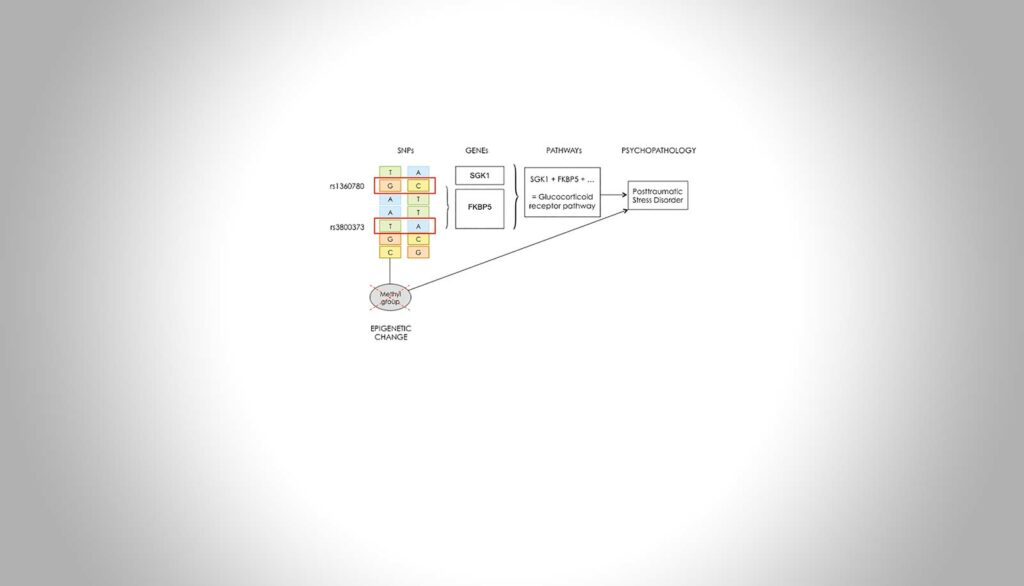
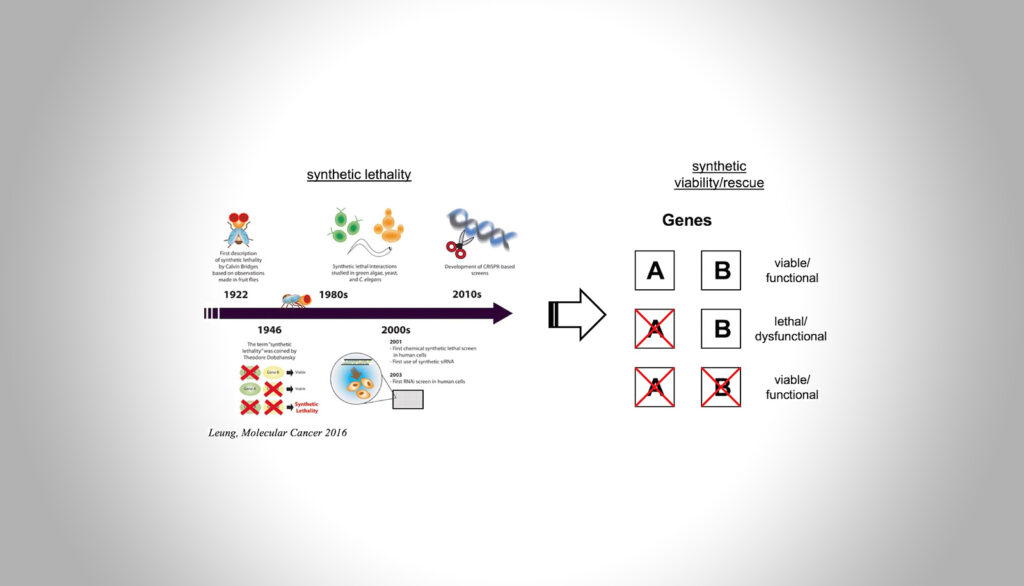
In the EU alone, approximately 30 million people are affected by a rare disease, many of them children. Most of the 6,000 to 8,000 rare diseases known to date are caused by the altered function of a single gene (Boycott&Ardigó, 2018). This project under the supervision of Prof. Christoph Klein aims to develop innovative strategies for precision medicine in rare diseases by (i) re-wiring aberrant molecular networks for therapeutic purposes and (ii) identifying novel “druggable” targets using CRISPR-Cas9-mediated genome-wide screens.
© Daniel Petersheim

High-through­put Virus Discov­ery in Next Gener­a­tion Sequenc­ing Data

Franziska Klingler – Hector Fellow Ralf Bartenschlager

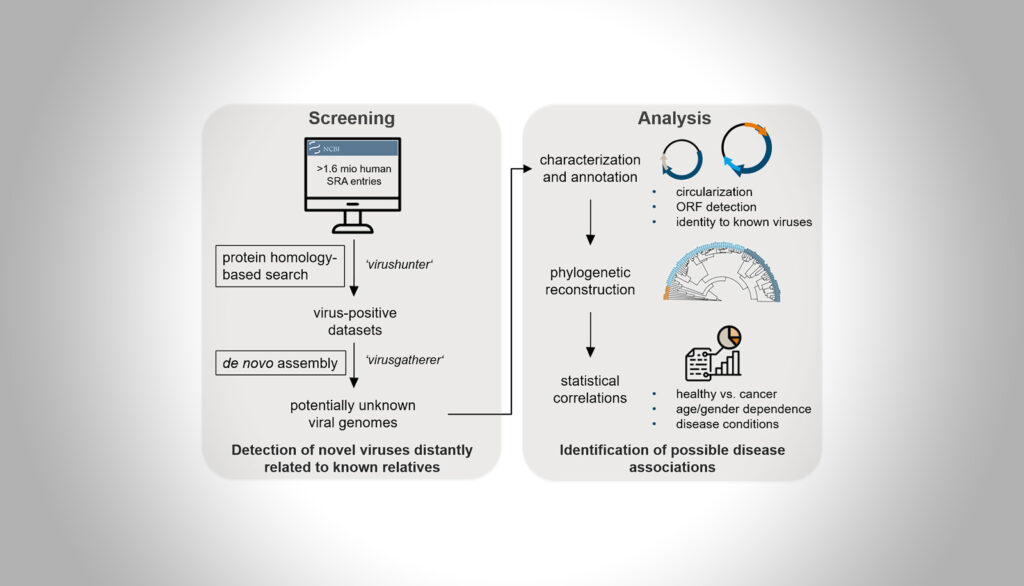
Anelloviruses are a diverse group of ubiquitous viruses infecting humans and vertebrates. Their contribution to disease development remains elusive. We hypothesize that during lifelong, persistent infection disbalances in the viral community can drive onset and progression of disease, e.g. cancer. We aim at a thorough description of the viral spectrum present in healthy and diseased tissue by high-throughput screening of sequencing data and subsequent identification of viral variants correlated with pathogenesis.

© Franziska Klingler

Machine learn­ing methods for gravi­ta­tional-wave data analysis

Maximilian Dax – Hector Fellow Bernhard Schölkopf

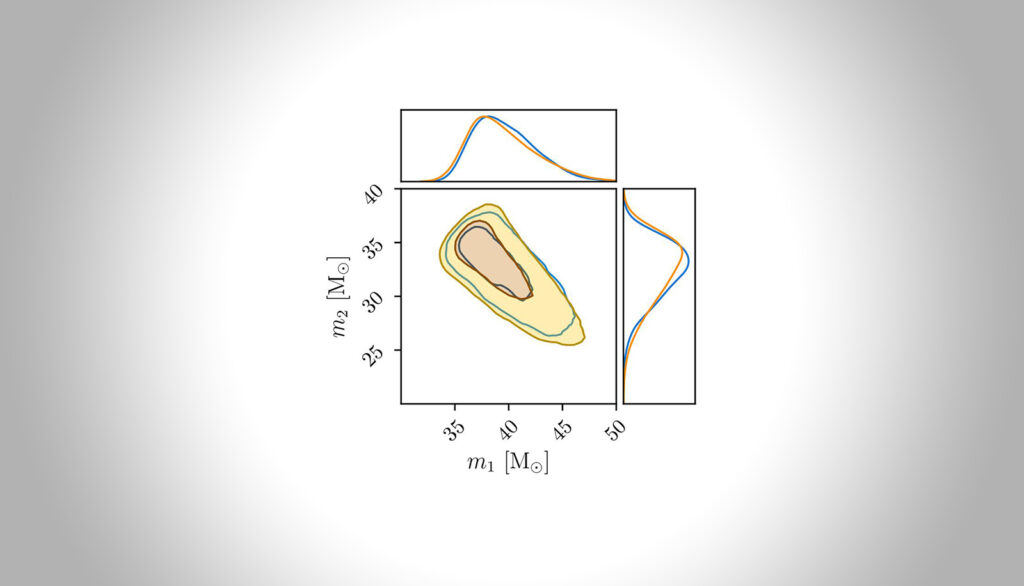
The detection of gravitational waves (GWs) has opened a new window on the universe, through which we can study the physics of black-hole and neutron-star mergers. By analyzing GWs we can infer properties of the corresponding astrophysical systems. Current analysis methods are however too computationally expensive to deal with the growing amount of data. My research is thus concerned with the development of more efficient methods for the GW analysis using powerful machine learning methods.

© Stephen R. Green

Quantum simula­tion of strong inter­ac­tions of light and matter

Valentin Klüsener – Hector Fellow Immanuel Bloch

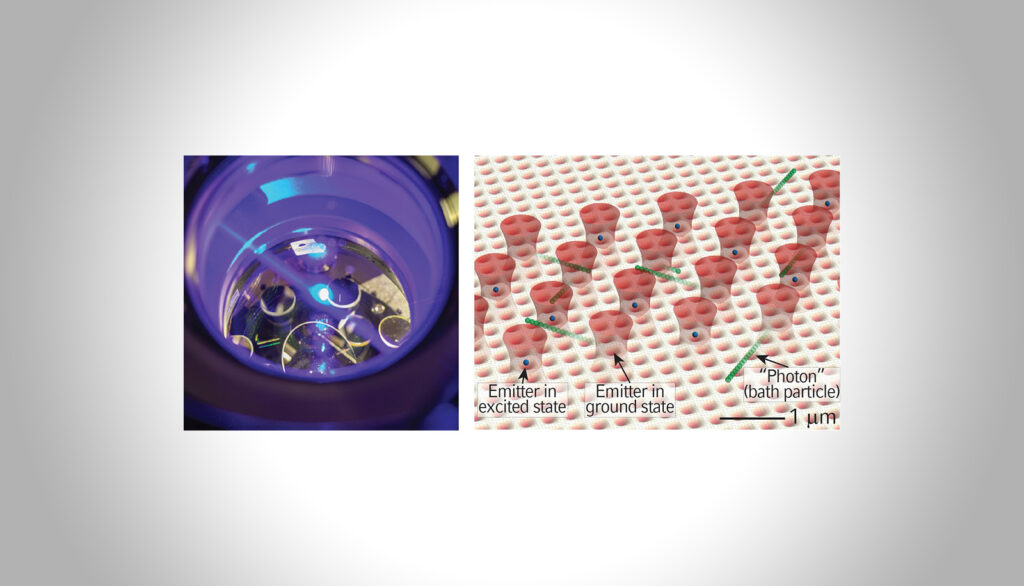
The central paradigm of quantum optics is the absorption and emission of radiation by quantum emitters. When the coupling between an emitter and its environment becomes strong, intriguing radiative properties can be engineered, such as directional emission patterns or strongly modified emission rates. This project aims at accessing such effects in a system of ultracold atoms in optical lattices where artificial emitters decay by emitting matter waves rather than optical radiation.

© Valentin Klüsener

Mecha­nisms under­ly­ing patho­gen­e­sis of SARS-CoV‑2 infections

Yannick Stahl – Hector Fellow Ralf Bartenschlager

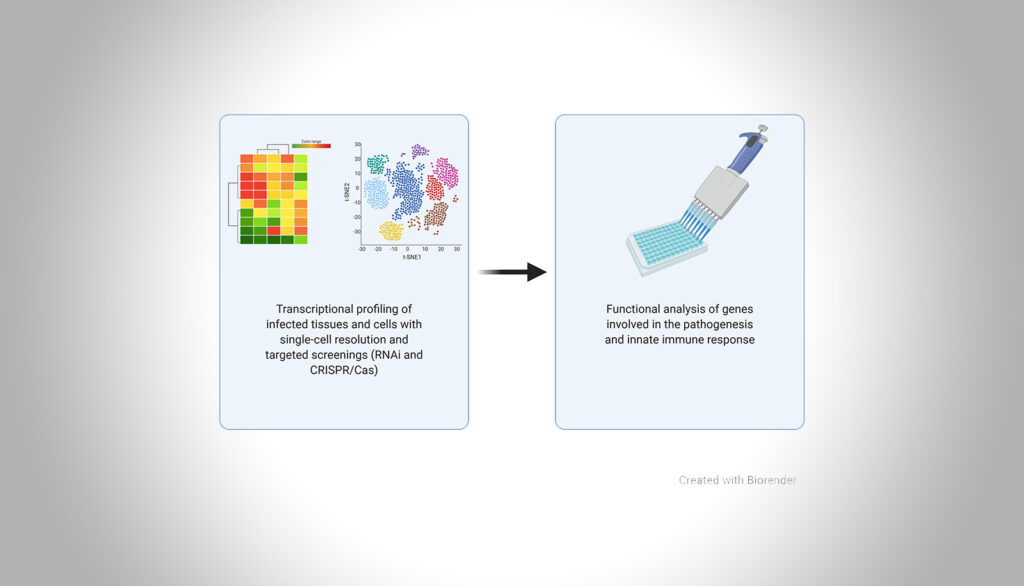
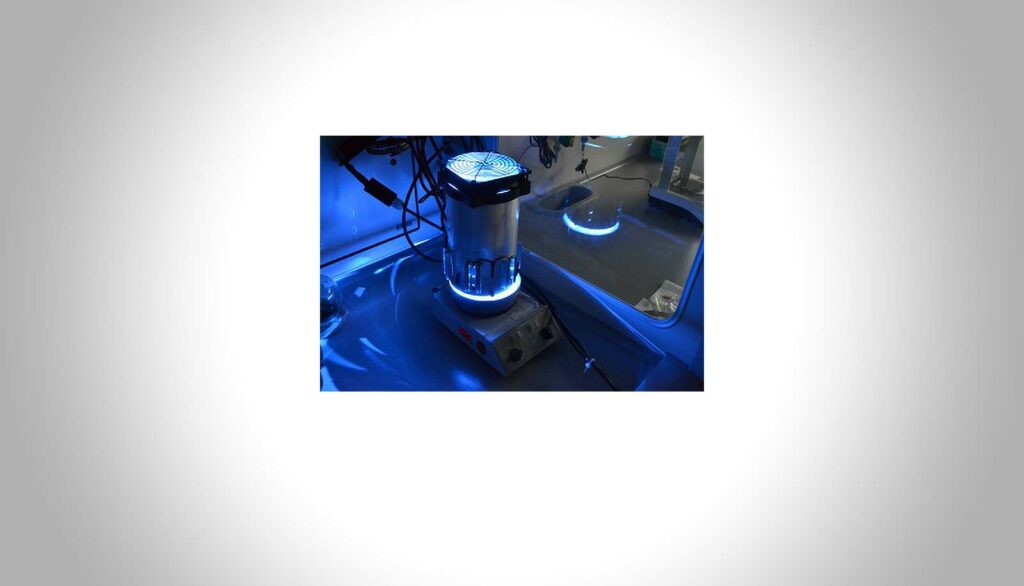
SARS-CoV‑2 has caused a pandemic and is responsible for more than 18 million infections. It is hypothesized that COVID-19 is the result of killing of infected cells and excessive immune activation. To reveal cell types and pathways that are critically involved in viral replication and pathogenesis, I will use transcriptomics and functional studies of genes likely involved in these processes. The results might inform the development of therapeutic strategies and the discovery of biomarkers.

Mechanismen der Pathogenese von SARS-CoV-2 Infektionen© Yannick Stahl

Cloudy With a Chance of Rain: Simulat­ing the Galac­tic Weather

Katrin Lehle - Hector RCD Awardee Dylan Nelson

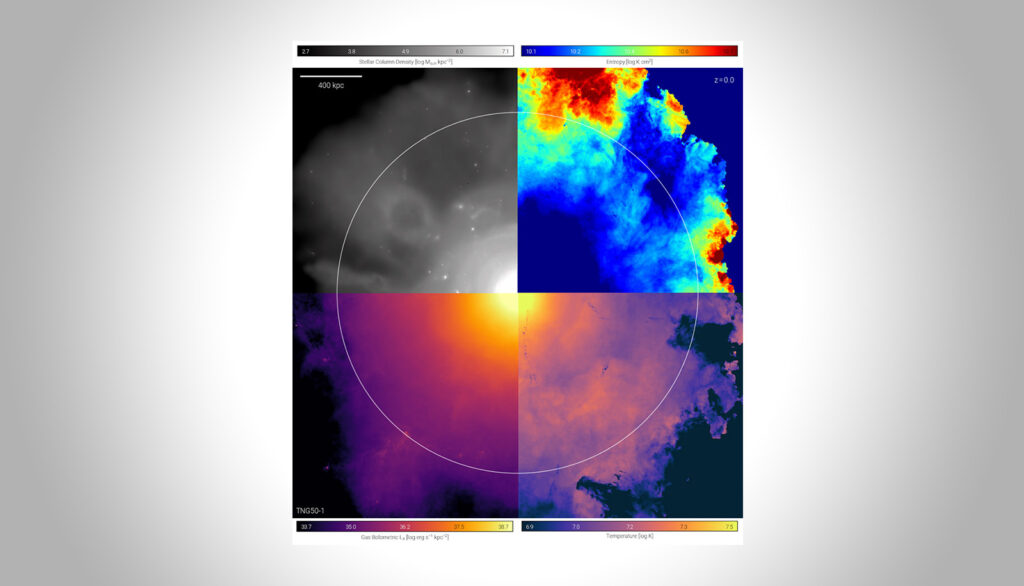
Galaxies are embedded in a rich and complex atmosphere – the circumgalactic medium (CGM). Understanding the processes going on in the CGM is inevitable for a self-consistent model for galaxy evolution. Thus, we will shed some light on open questions about galaxy clusters using numerical simulations. We will analyze the already existing cosmological state-of-the art simulation IllustrisTNG and also write new types of simulation.

Wolkig mit Aussicht auf Regen: Simulationen des galaktischen Wetters© Katrin Lehle

Appli­ca­tions of Non-Invasive Ocular Signal Measurements

Margaret Deibel – Hector Fellow Eberhart Zrenner

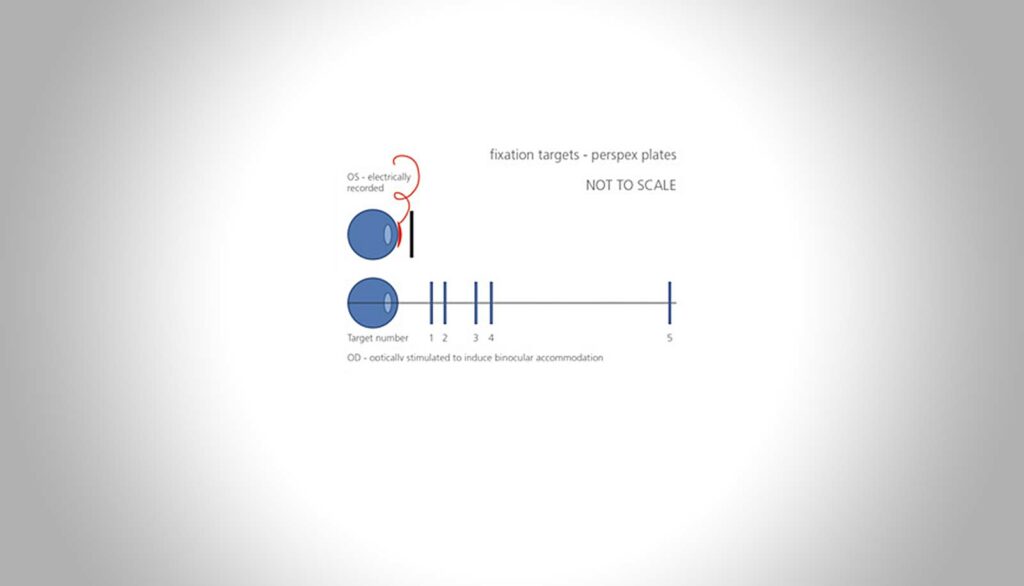
Several goals were pursued in the development of this work, including the development of a novel in vivo method to measure the ciliary muscle of a human subject non-invasively during accommodation, the characterization of the recorded muscle signals based on the accommodative abilities of the subject, and the development of a device that would utilize the recorded muscle signals to mimic the appropriate level of accommodation for the user, actuated through the use of a variable refractive lens.

© Margaret Deibel