What Children Teach Us – The Future of Personalized Medicine
Science Evening 2026
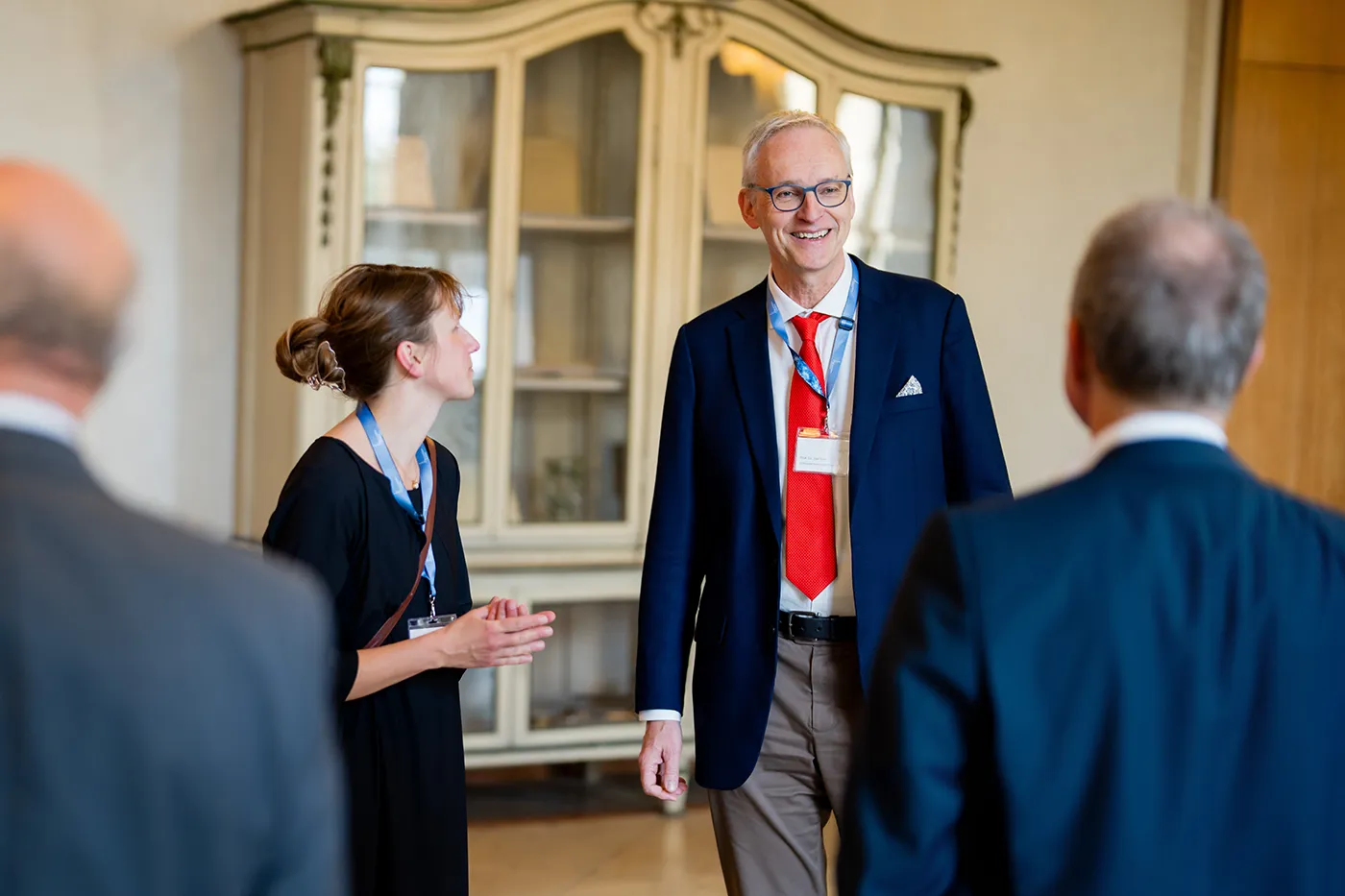
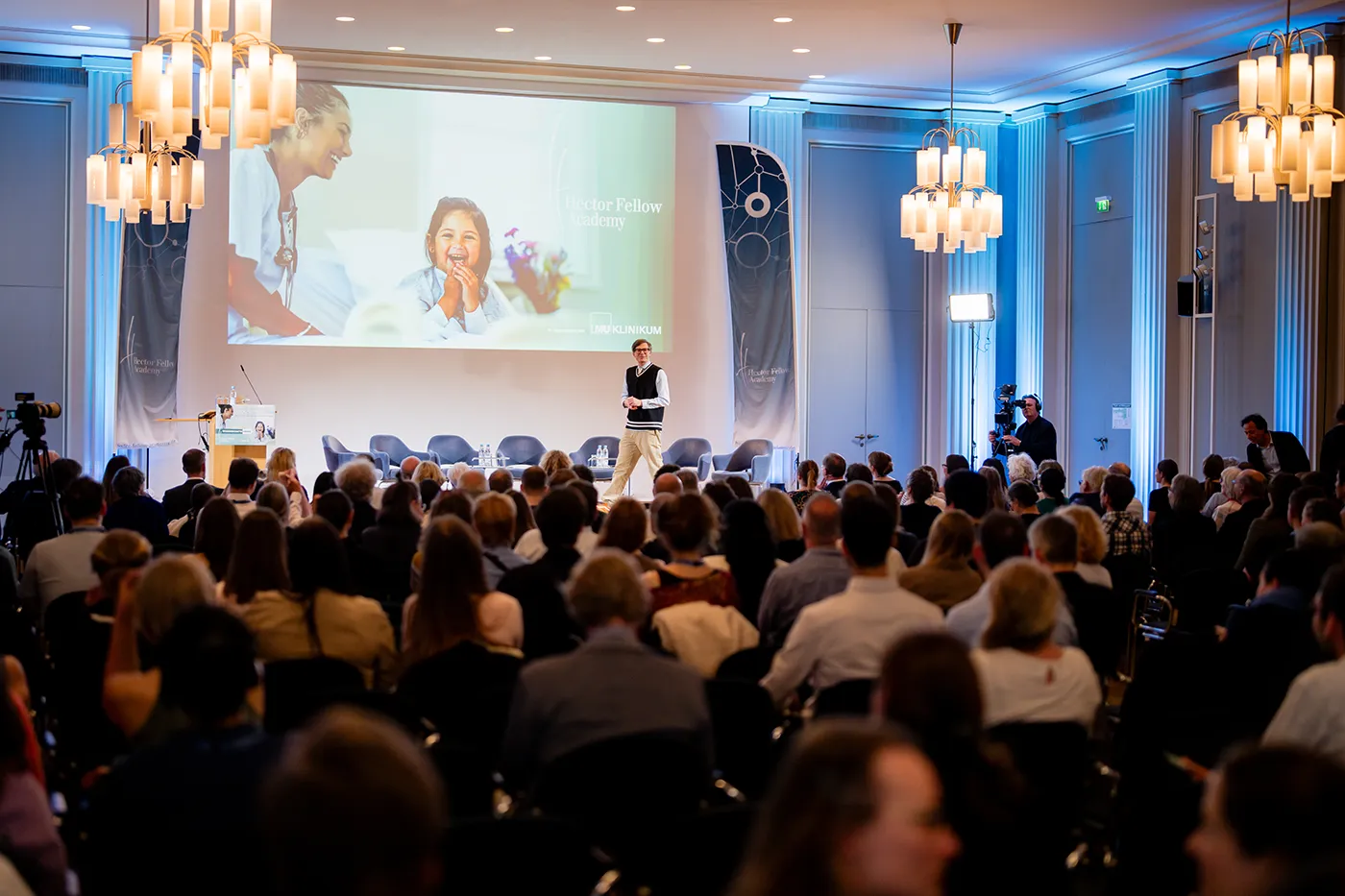
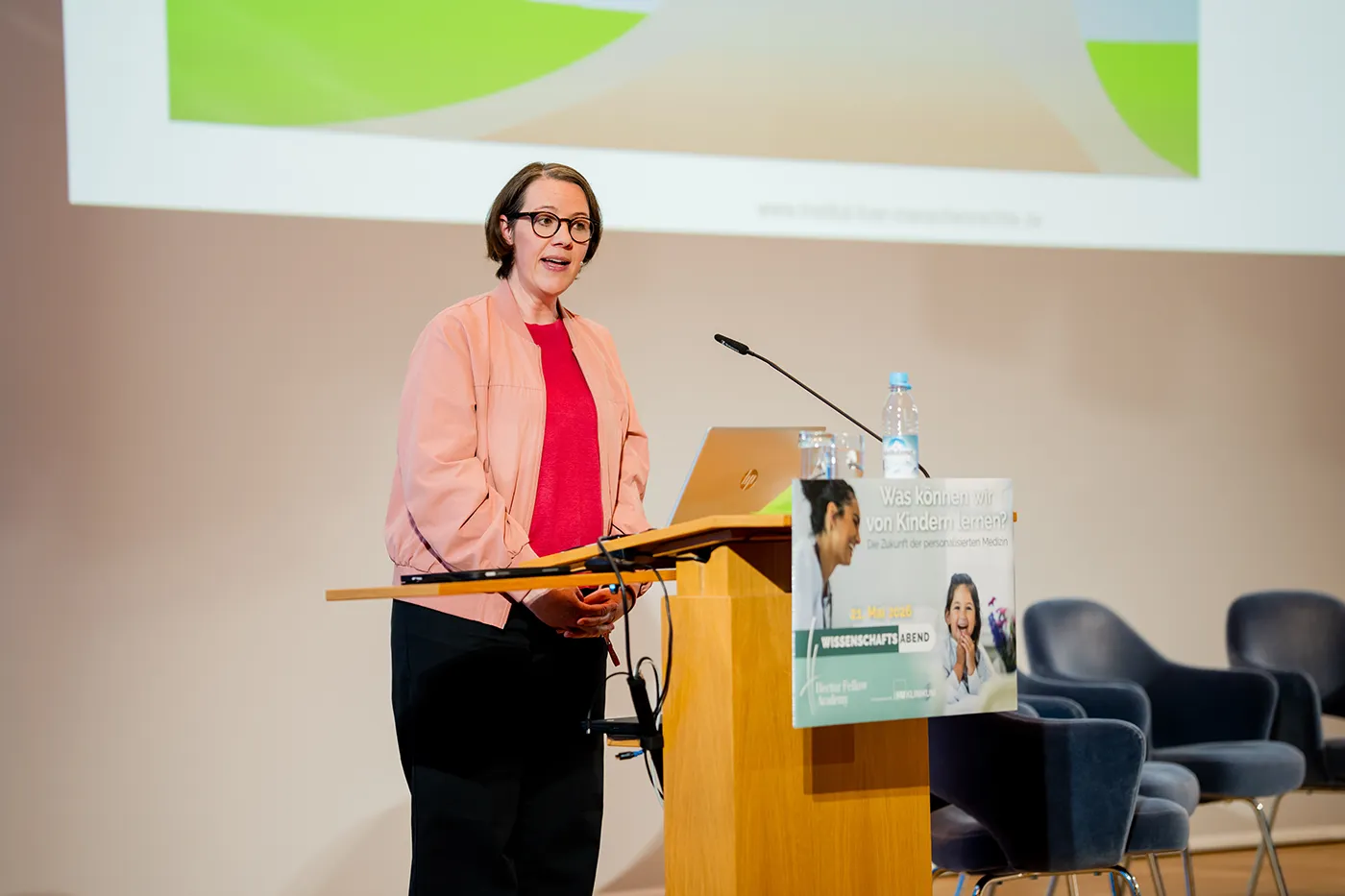
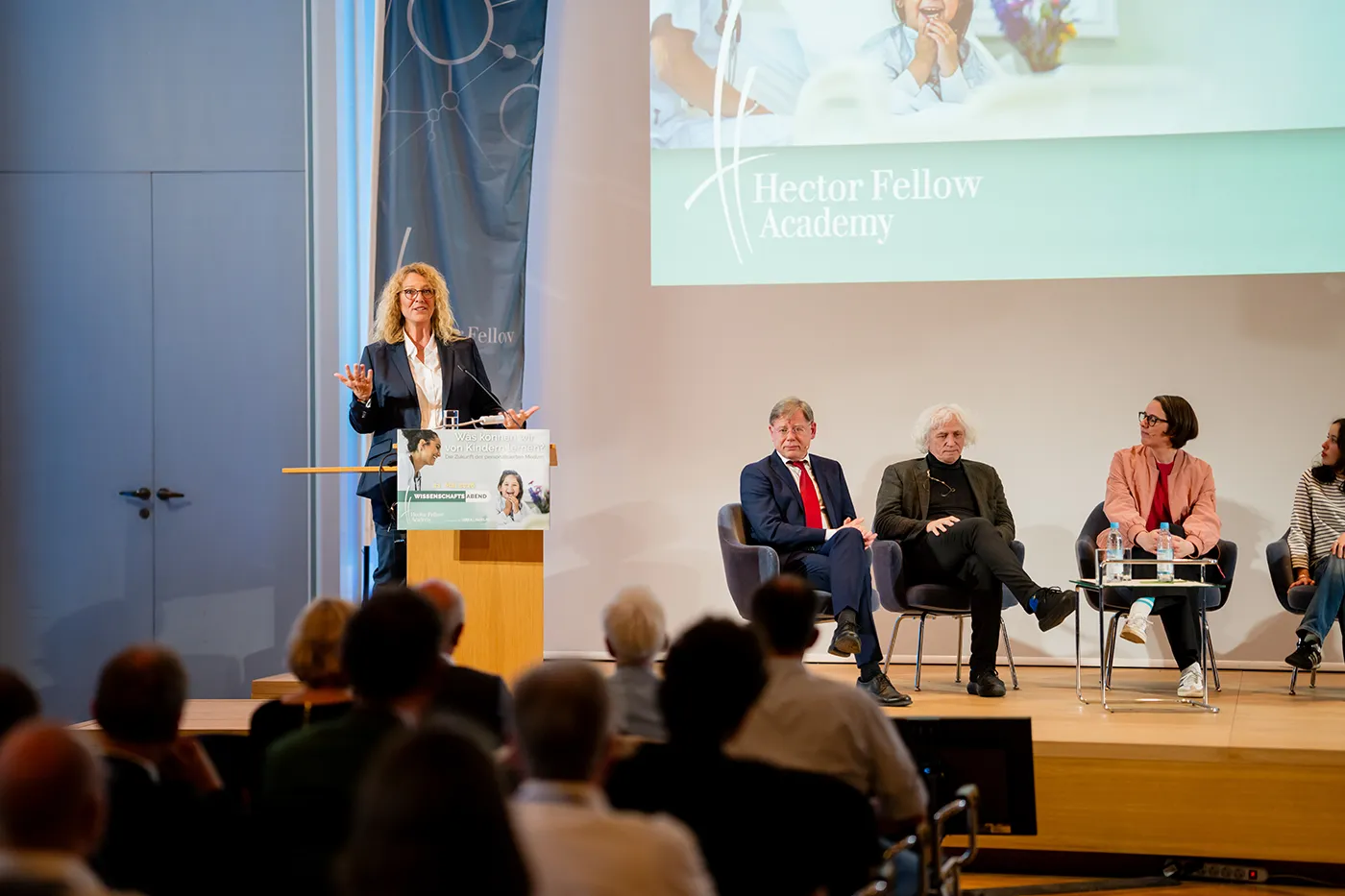
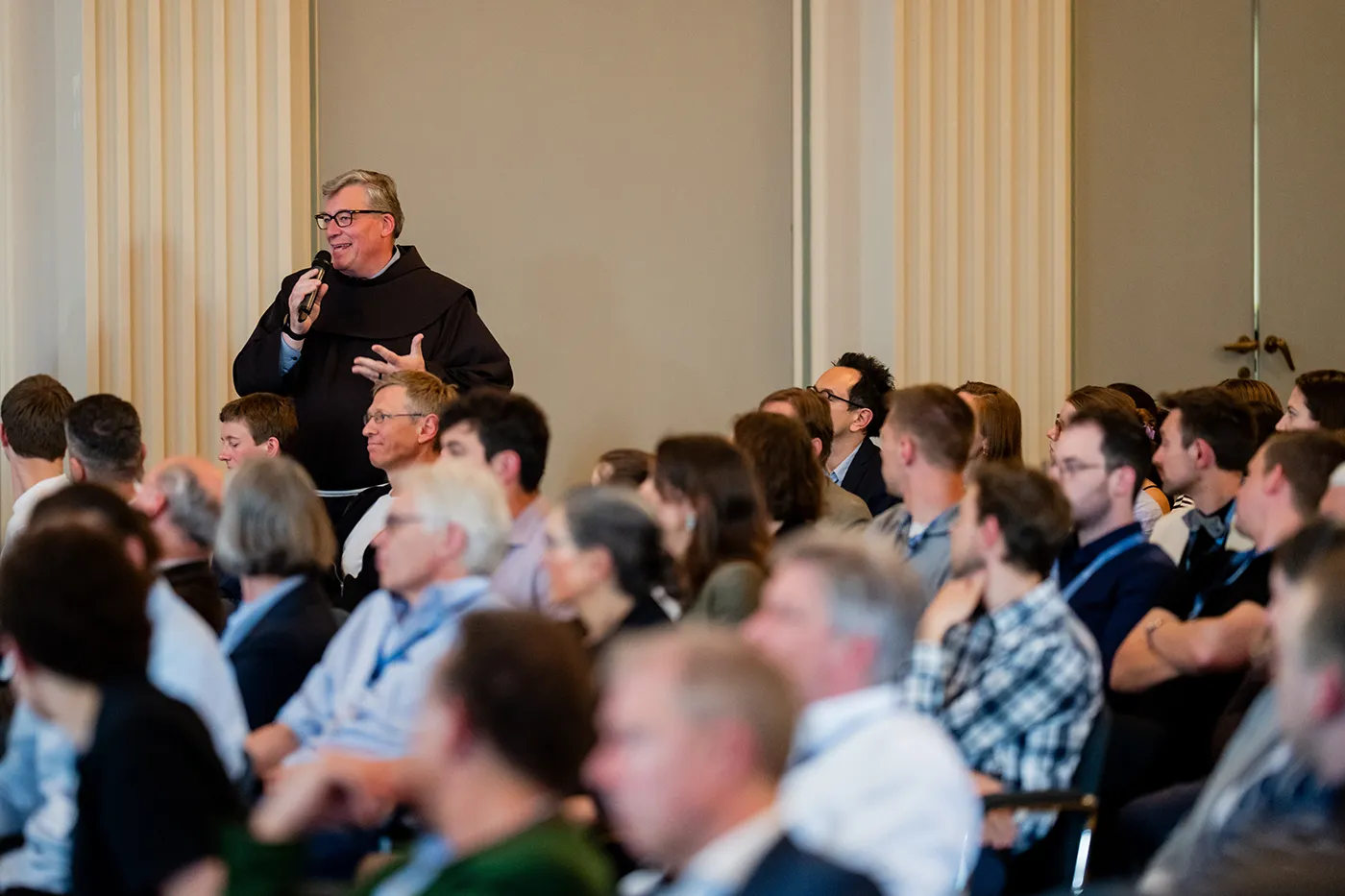
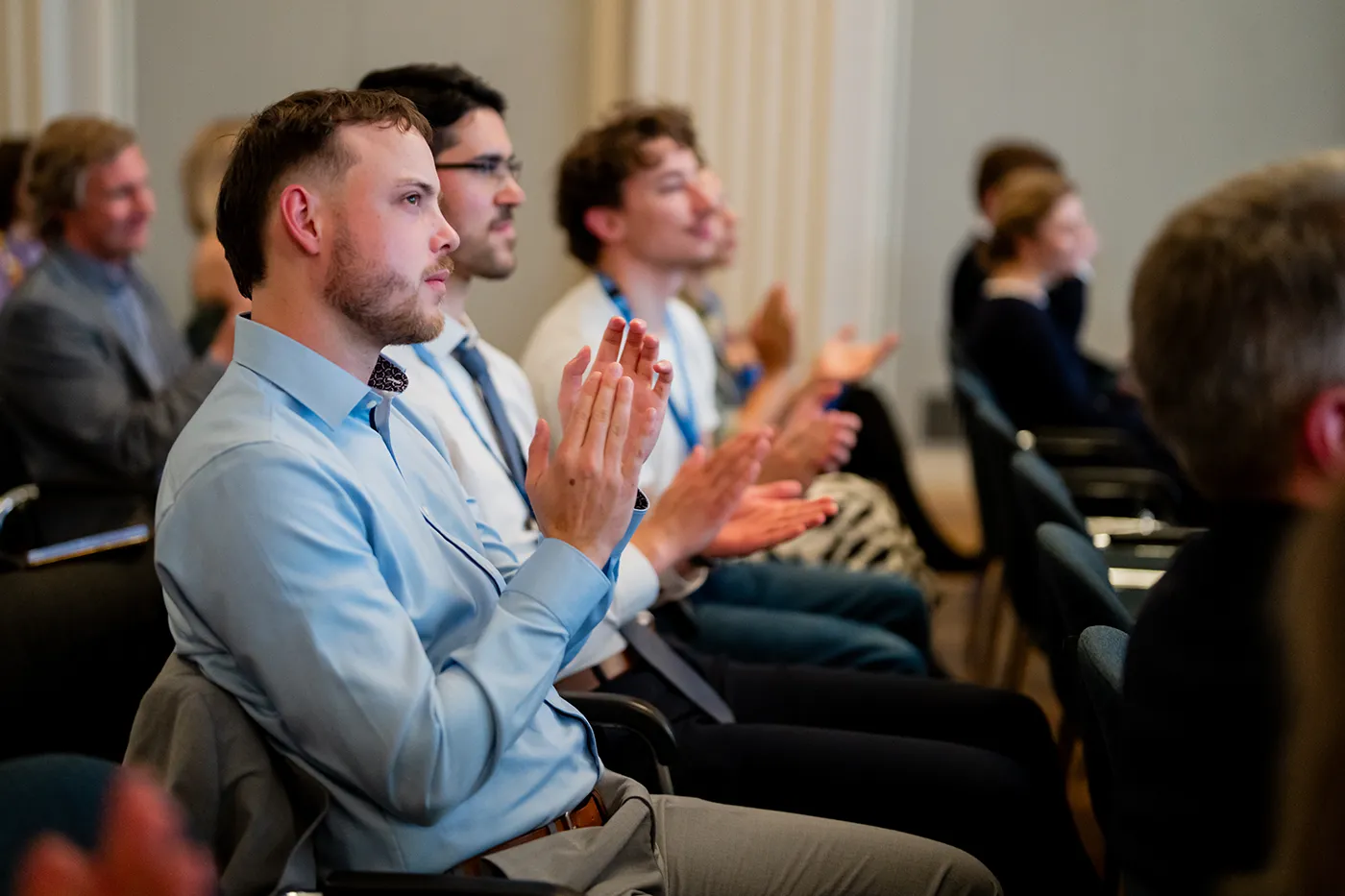
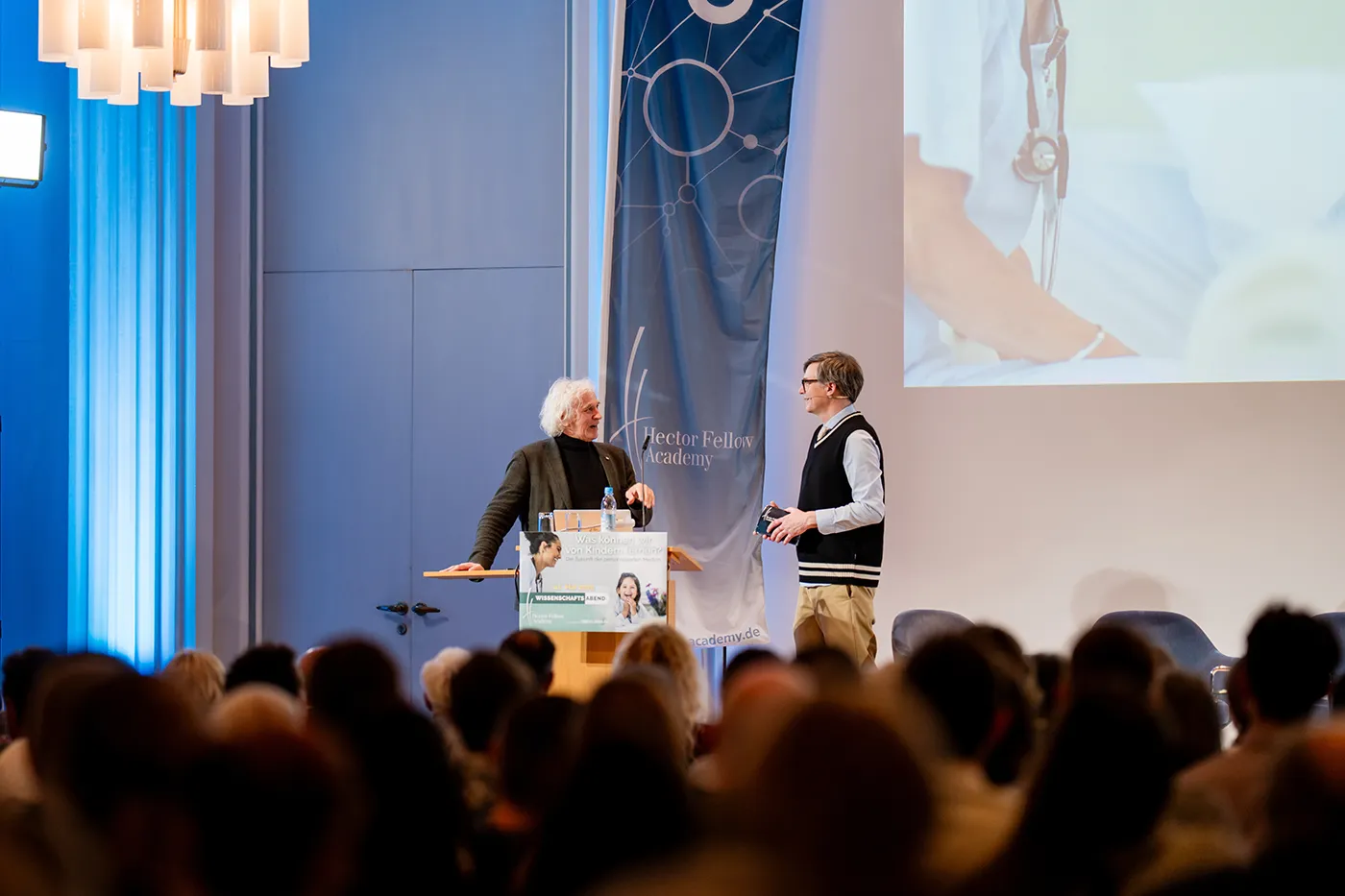
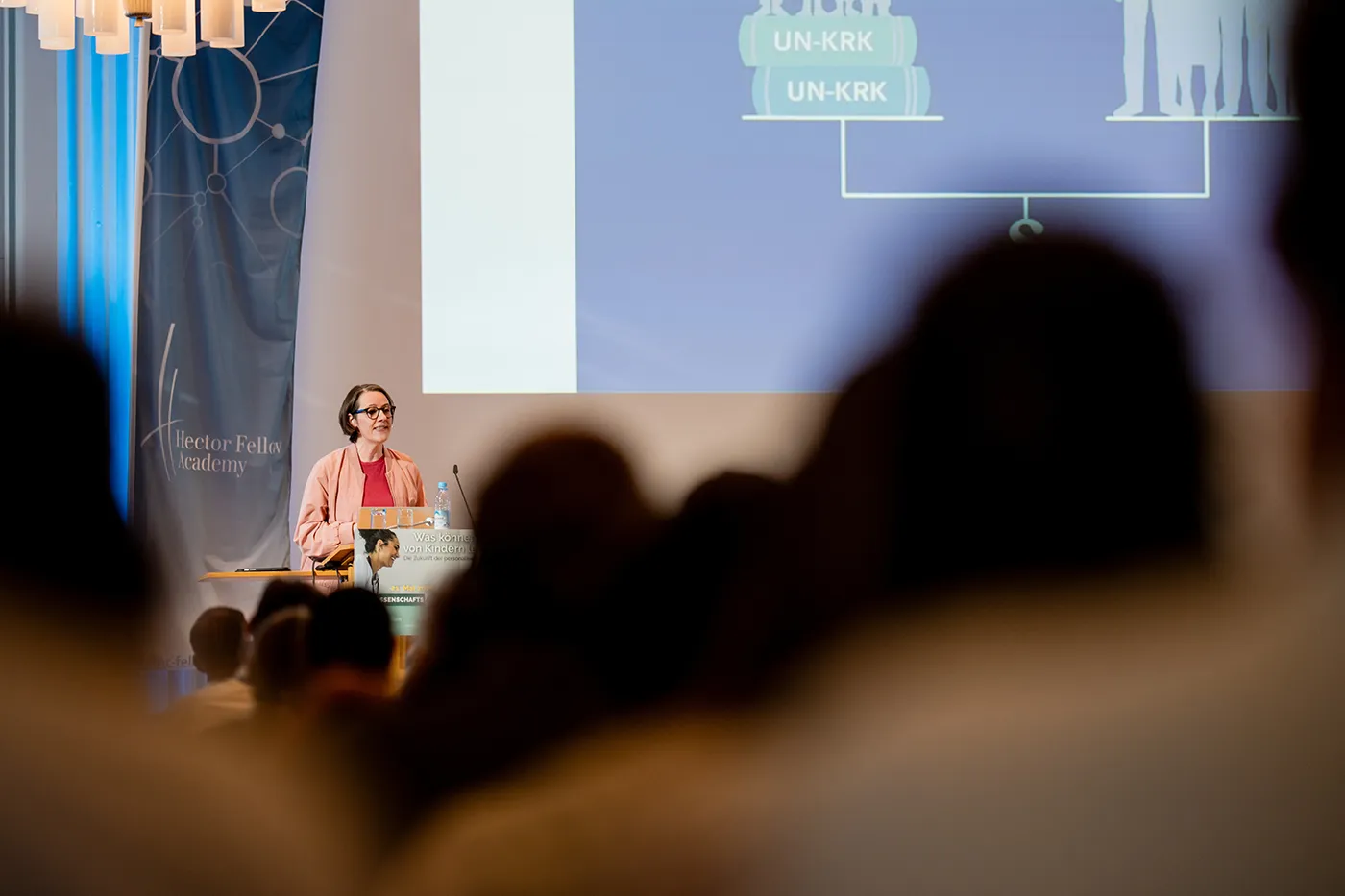
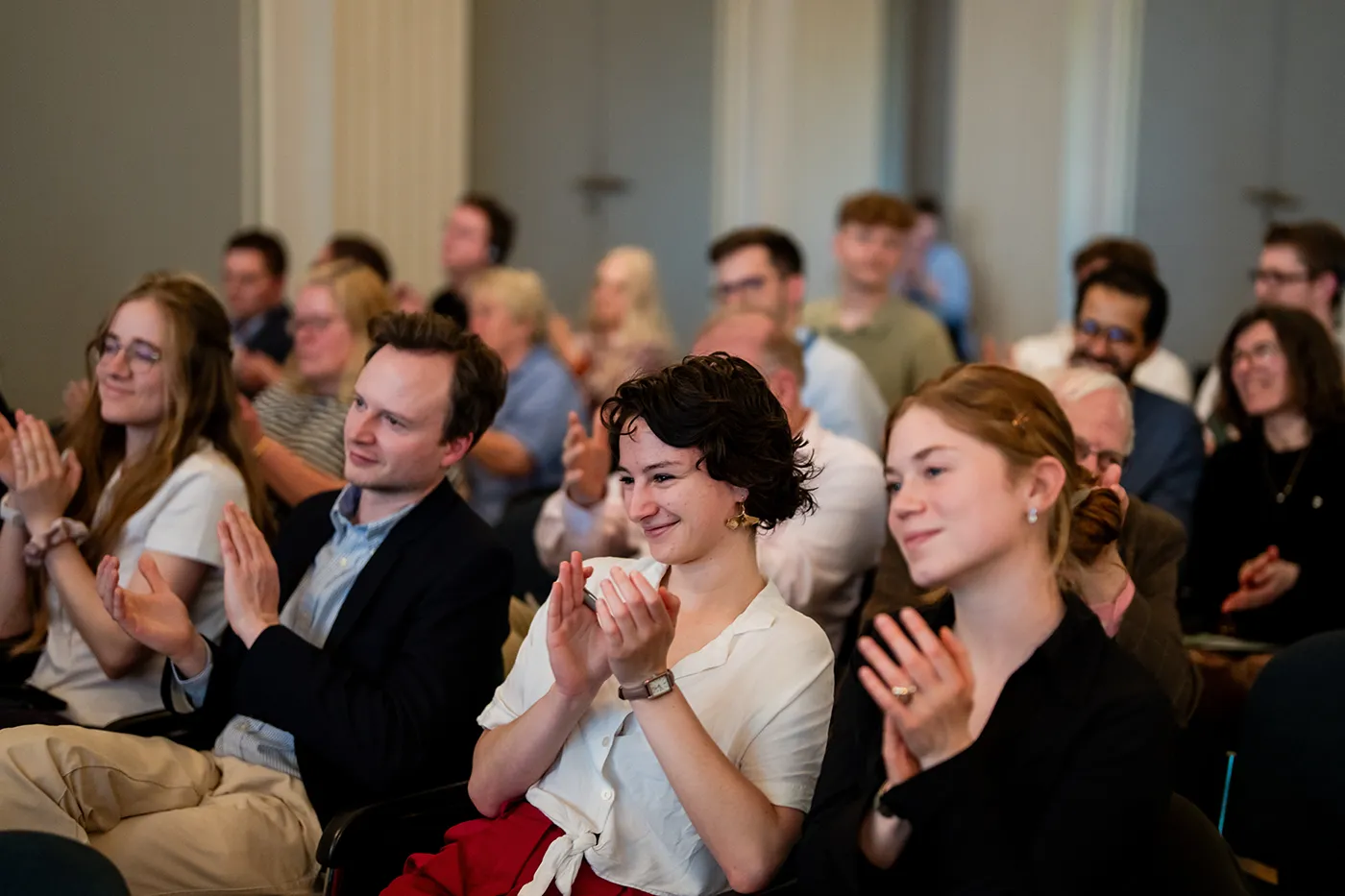
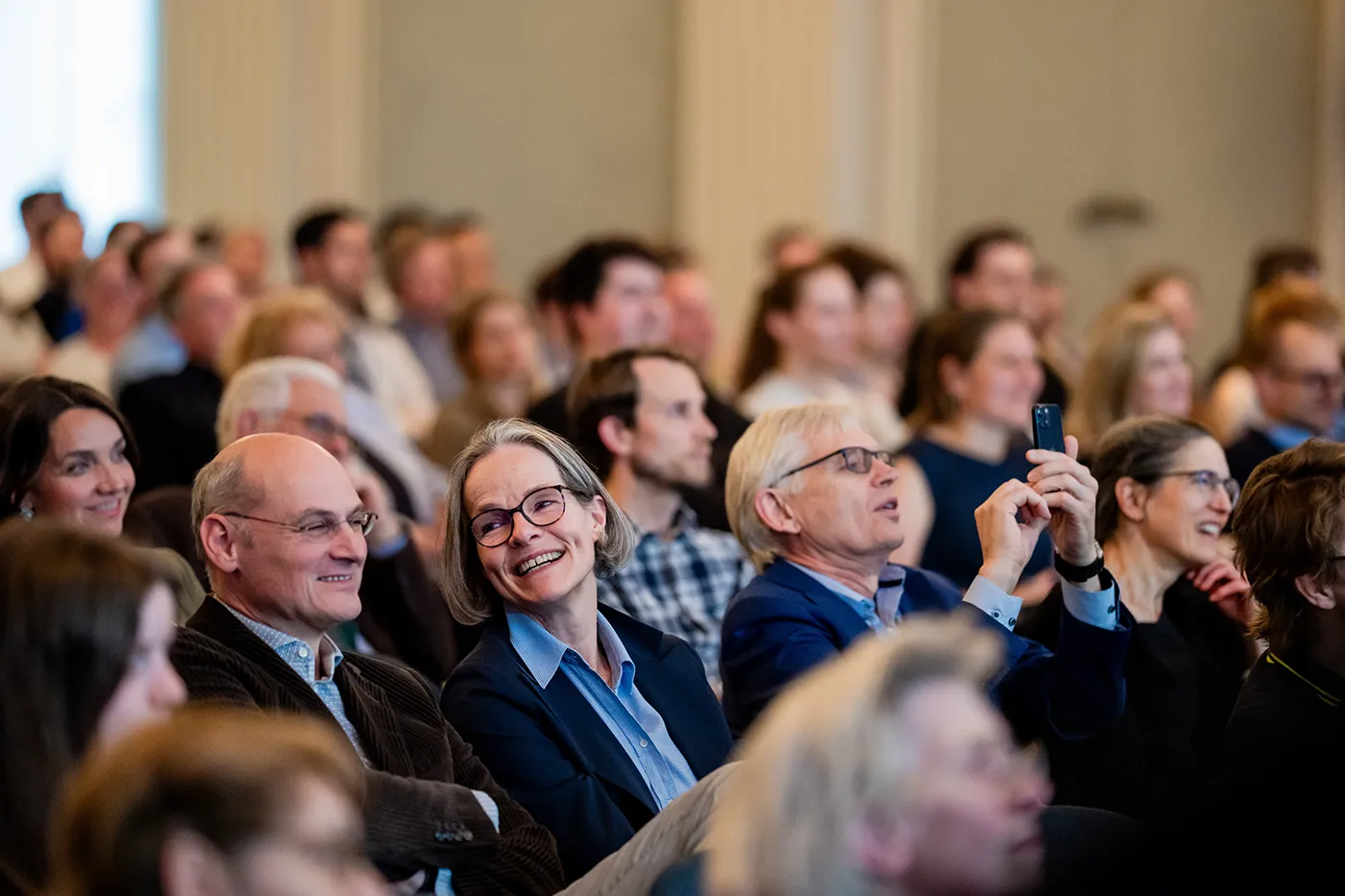
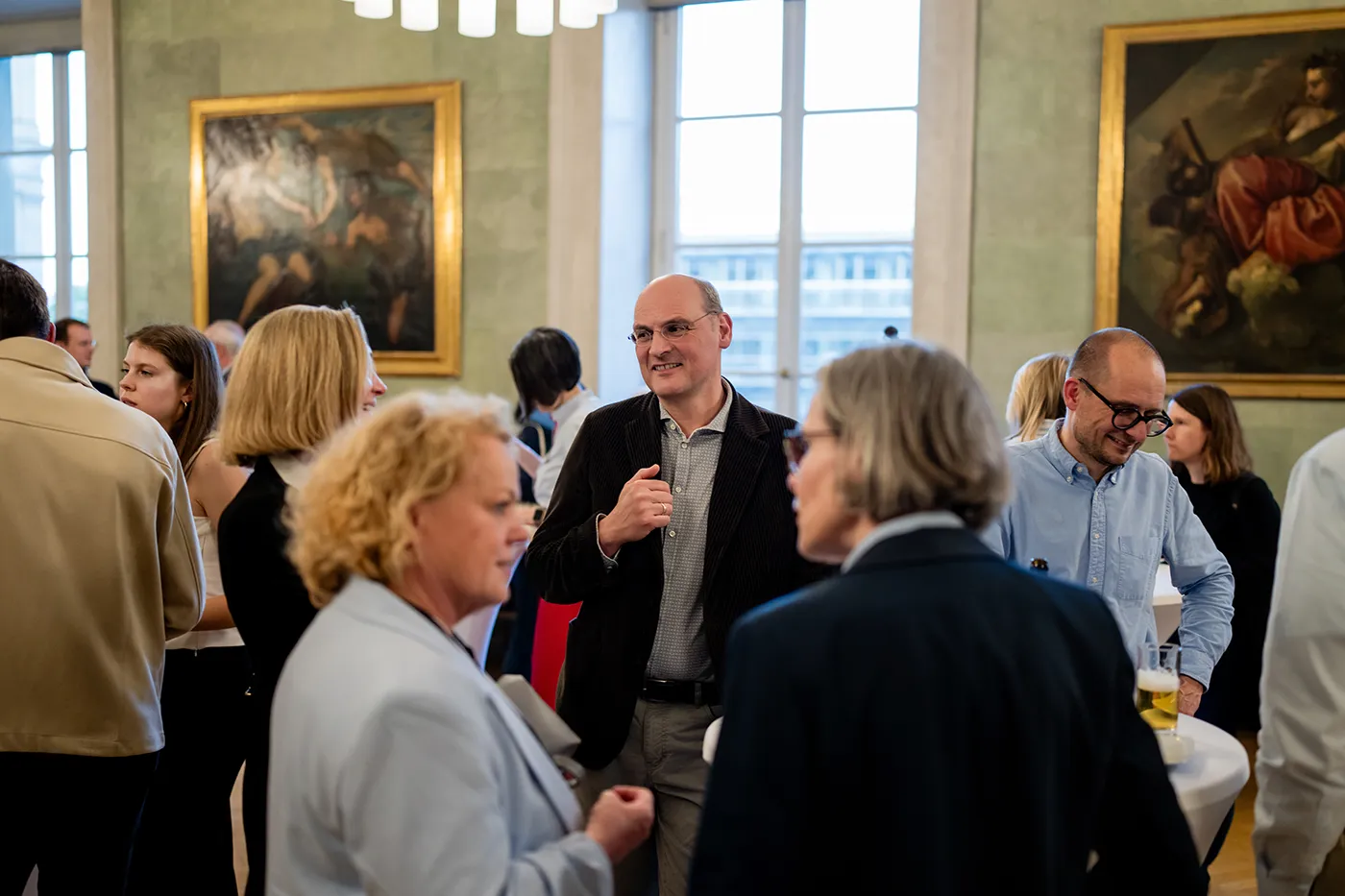
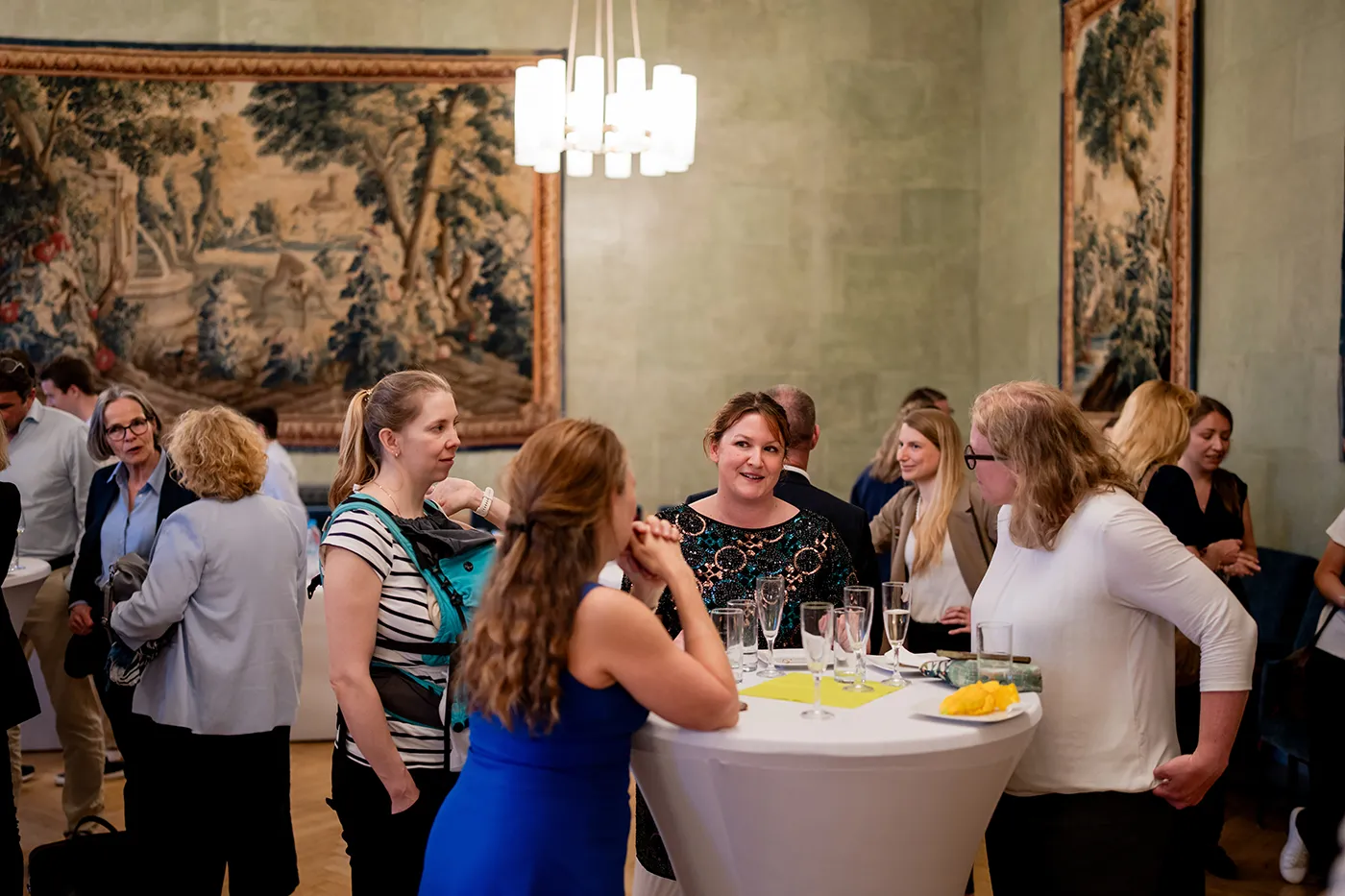
The 11th Science Evening of the Hector Fellow Academy took place on 21 May 2026 under the title “What Children Teach Us — The Future of Personalized Medicine” at the Bavarian Academy of Sciences and Humanities in Munich and via livestream. Organized in cooperation with LMU University Hospital, the event attracted strong interest both on site and online.
Children are not simply “small adults” — they experience illness, health, and medical treatment in their own unique ways. A child-centered approach to medicine must take these perspectives seriously, listen to children’s voices, and respect their rights. How can insights from pediatric and adolescent medicine improve healthcare for patients of all ages? Why is it important to actively involve children in decisions about their health? And what role can children’s rights play in shaping the future of personalized medicine?
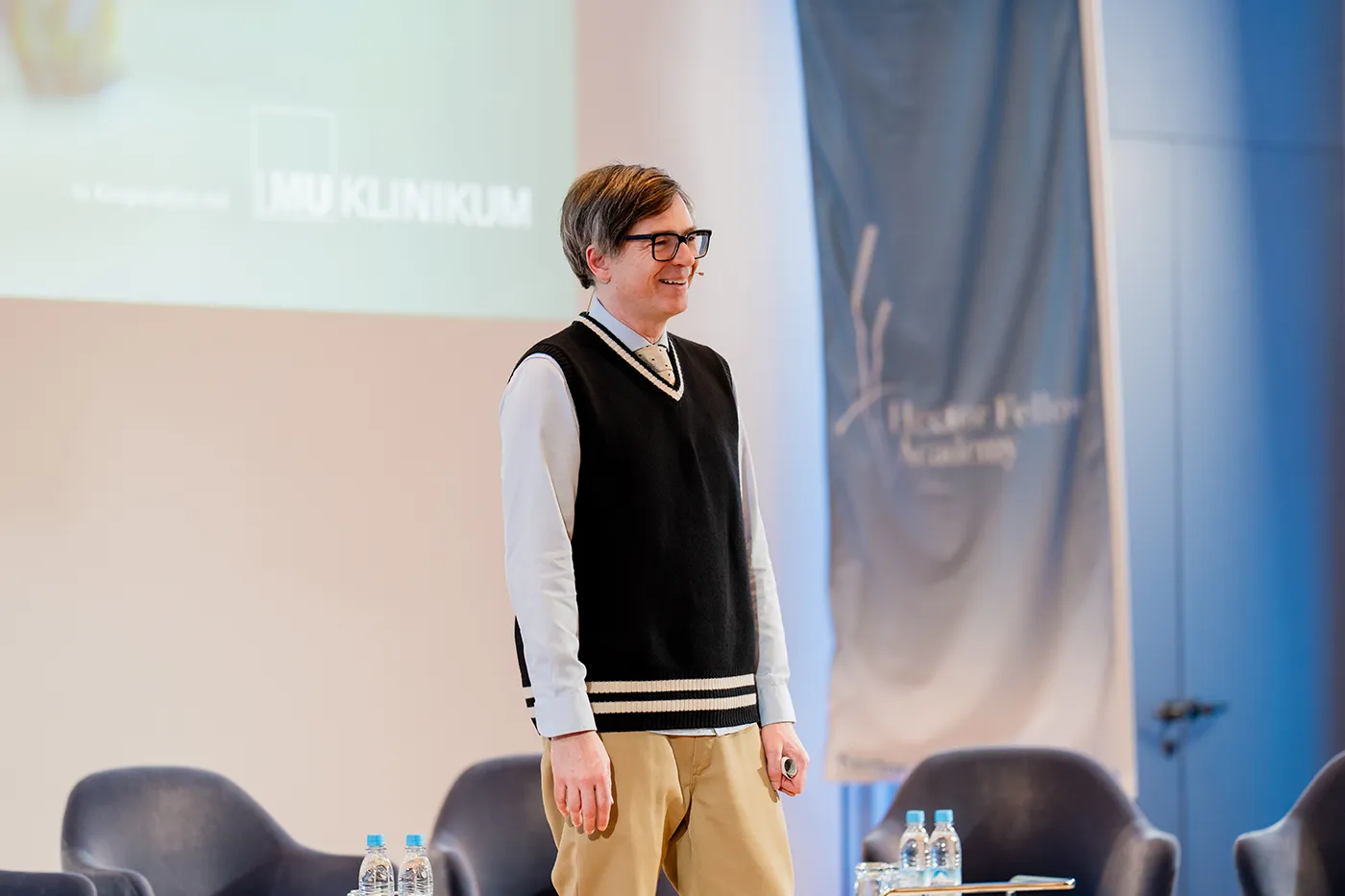
The scientific host of the evening was Christoph Klein, Professor of Pediatrics and Adolescent Medicine and Medical Director of the Children’s Hospital at the Dr. von Hauner Children’s Hospital of Ludwig Maximilian University of Munich.
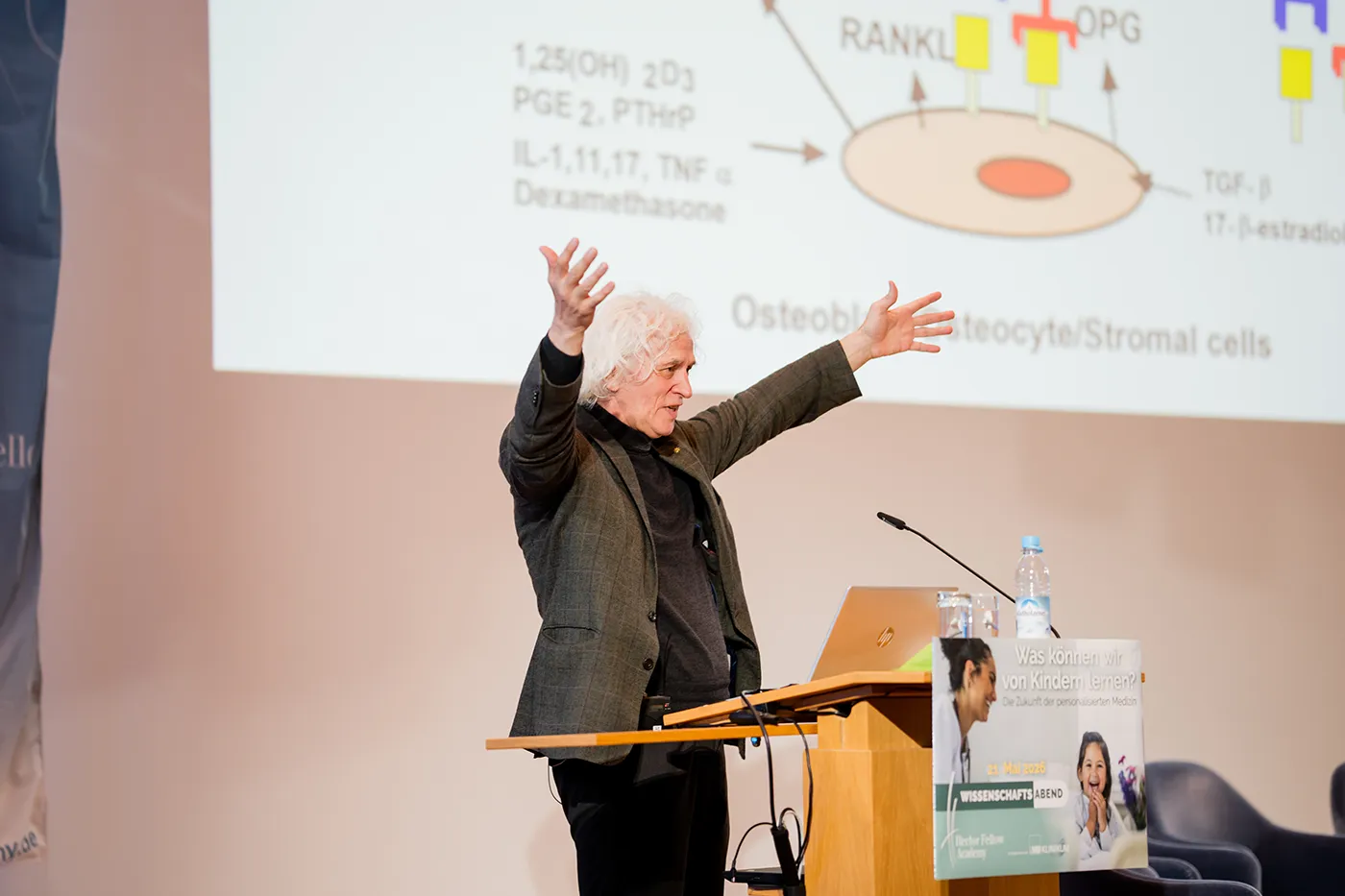
In his lecture, Josef Penninger, Director of the Helmholtz Centre for Infection Research in Braunschweig and Professor at the Medical University of Vienna, focused on the close biological connection between mother and child. He illustrated how the maternal body adapts during pregnancy and breastfeeding in order to safeguard both maternal health and the optimal development of the child.
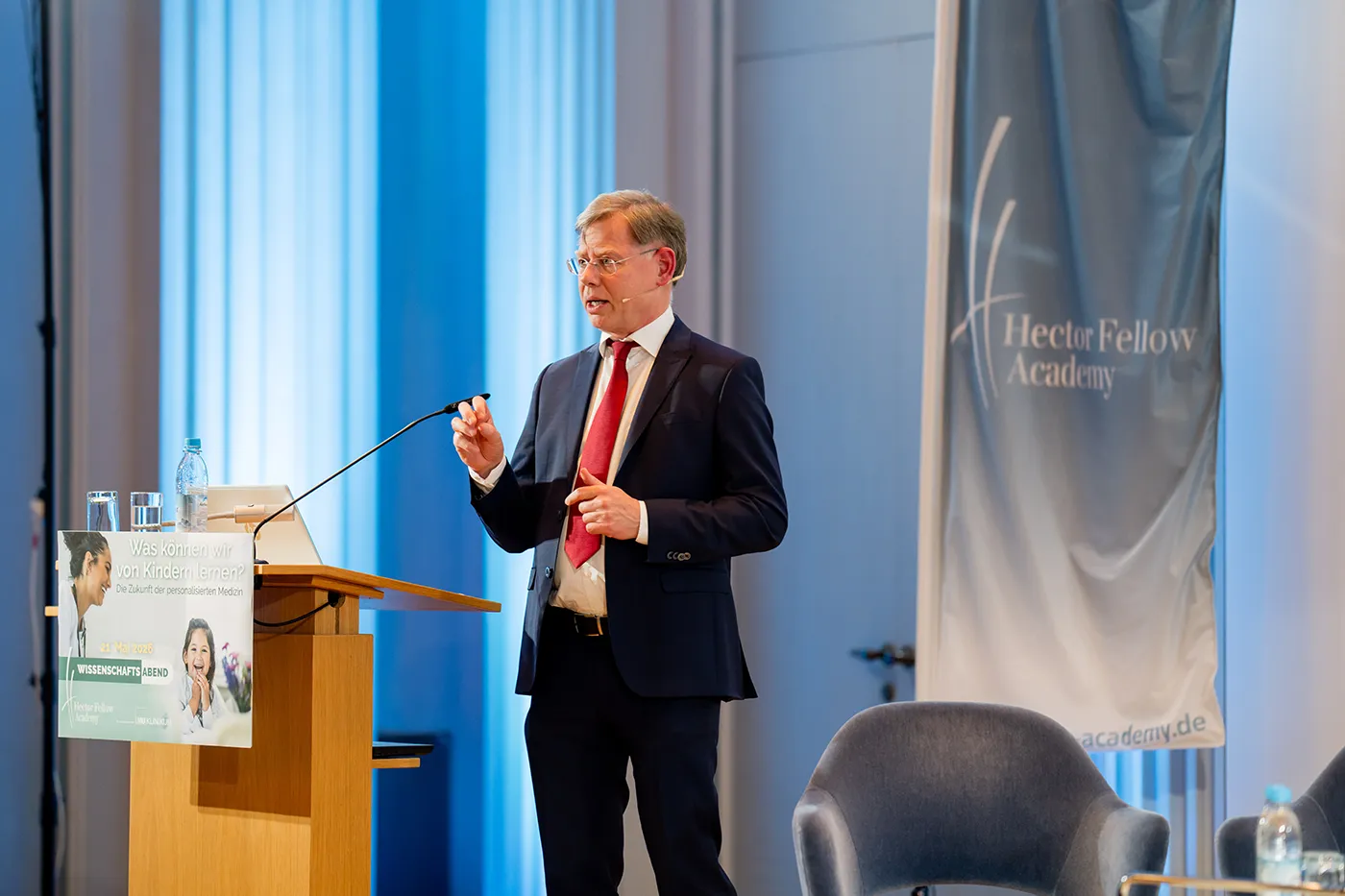
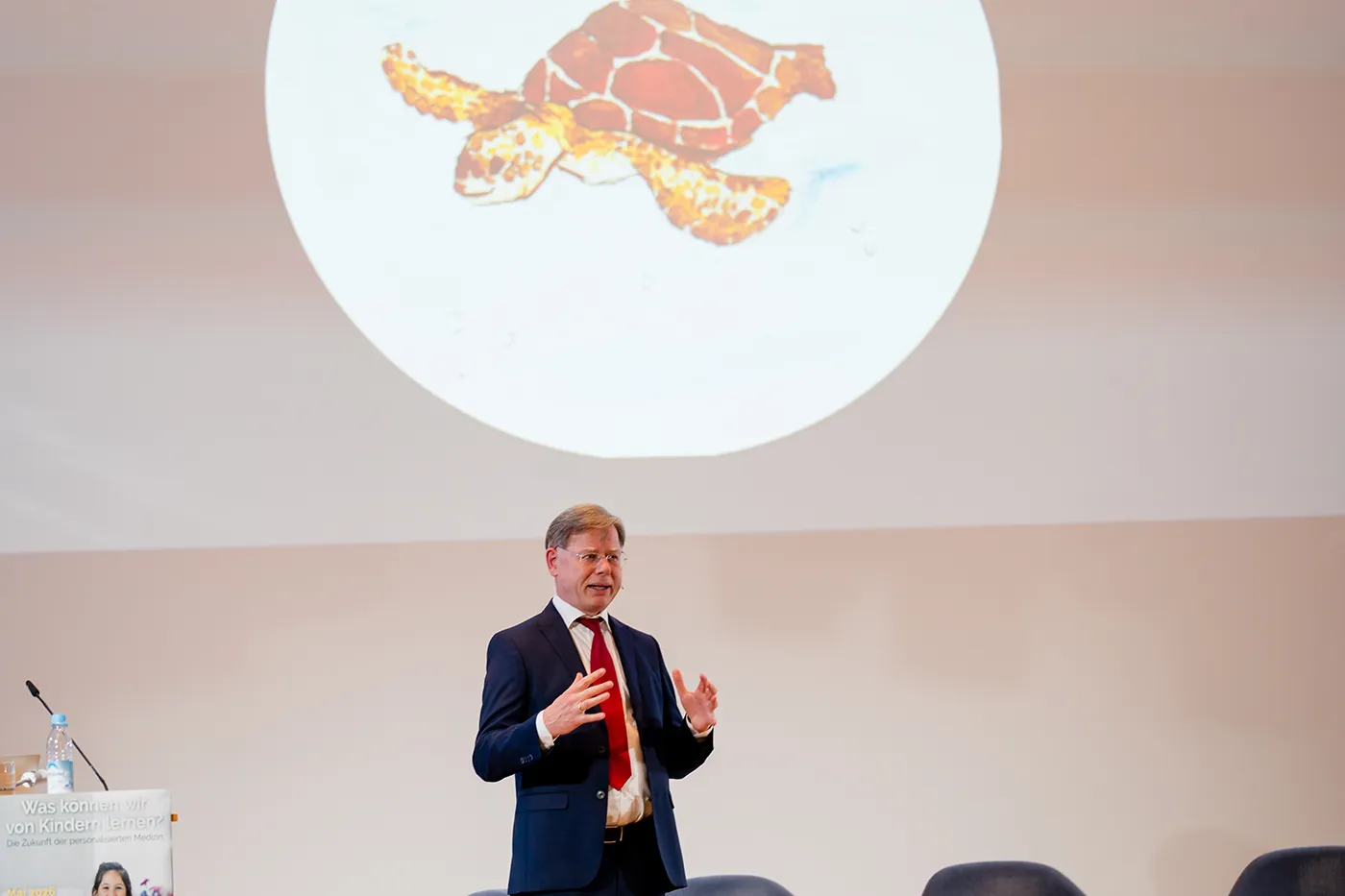
Christoph Klein then explained how insights gained from treating rare childhood diseases can contribute to advances in medicine more broadly. Children with rare diseases, he noted, are increasingly becoming pioneers of precise and individualized medicine — transforming from the “orphans of medicine” into important drivers of innovative therapeutic approaches.
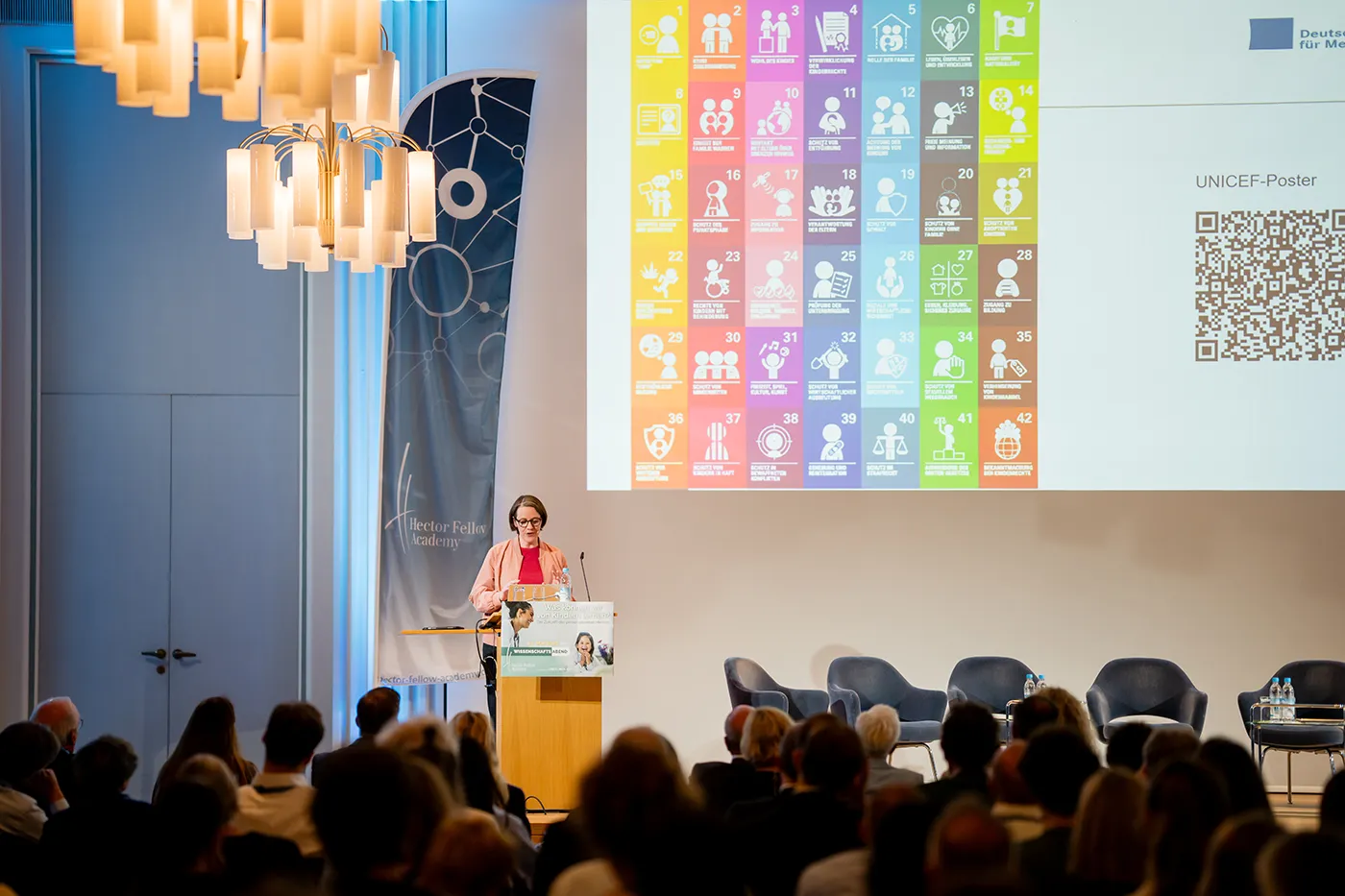
Another key perspective was provided by Claudia Kittel, whose lecture addressed the rights of children and adolescents in the medical context. Referring to the UN Convention on the Rights of the Child, she emphasized that children are rights holders from the very beginning of their lives. Involving children and adolescents in decisions concerning their health is therefore not only desirable, but an obligation — and an essential step toward better medicine.
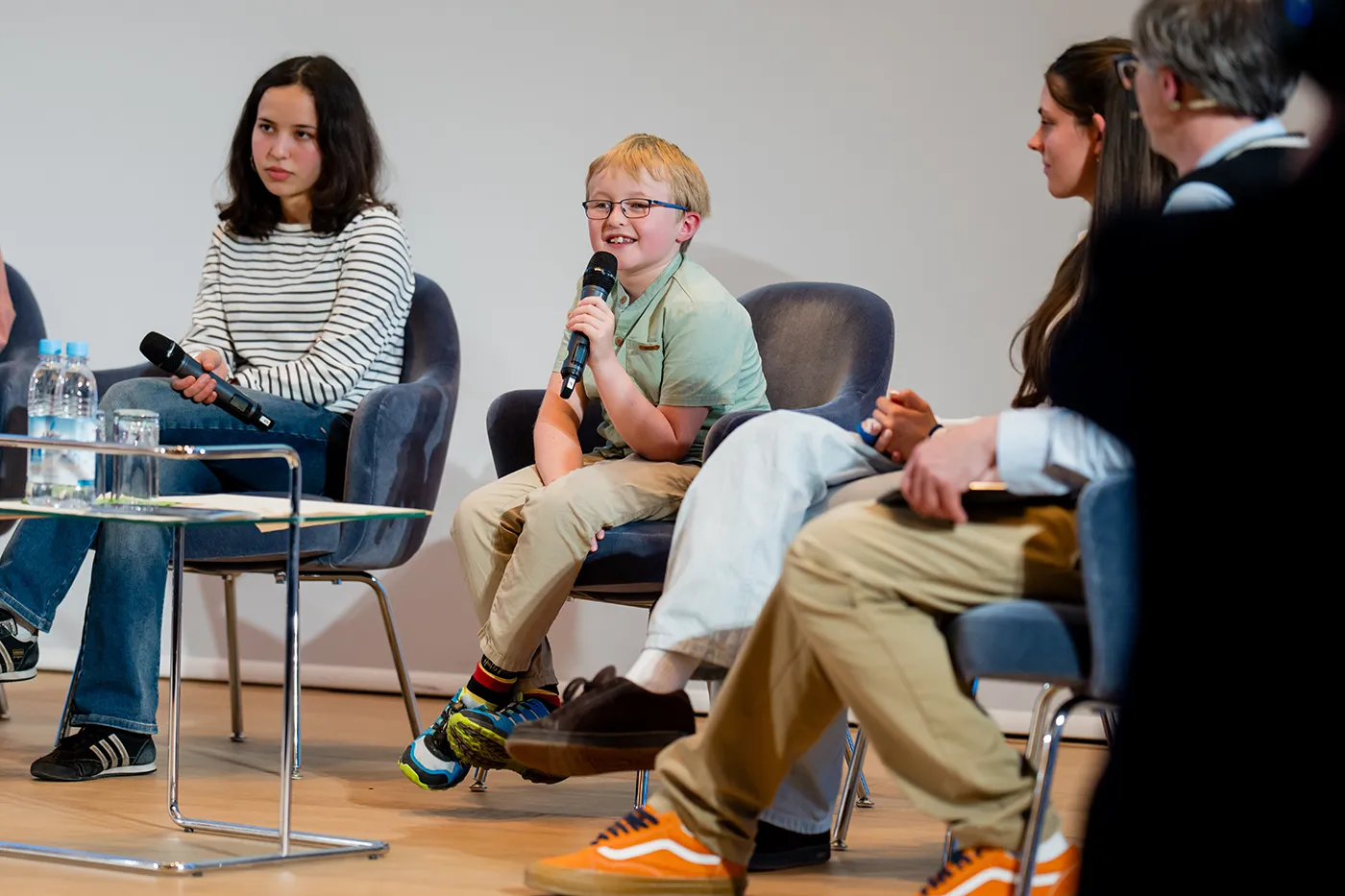
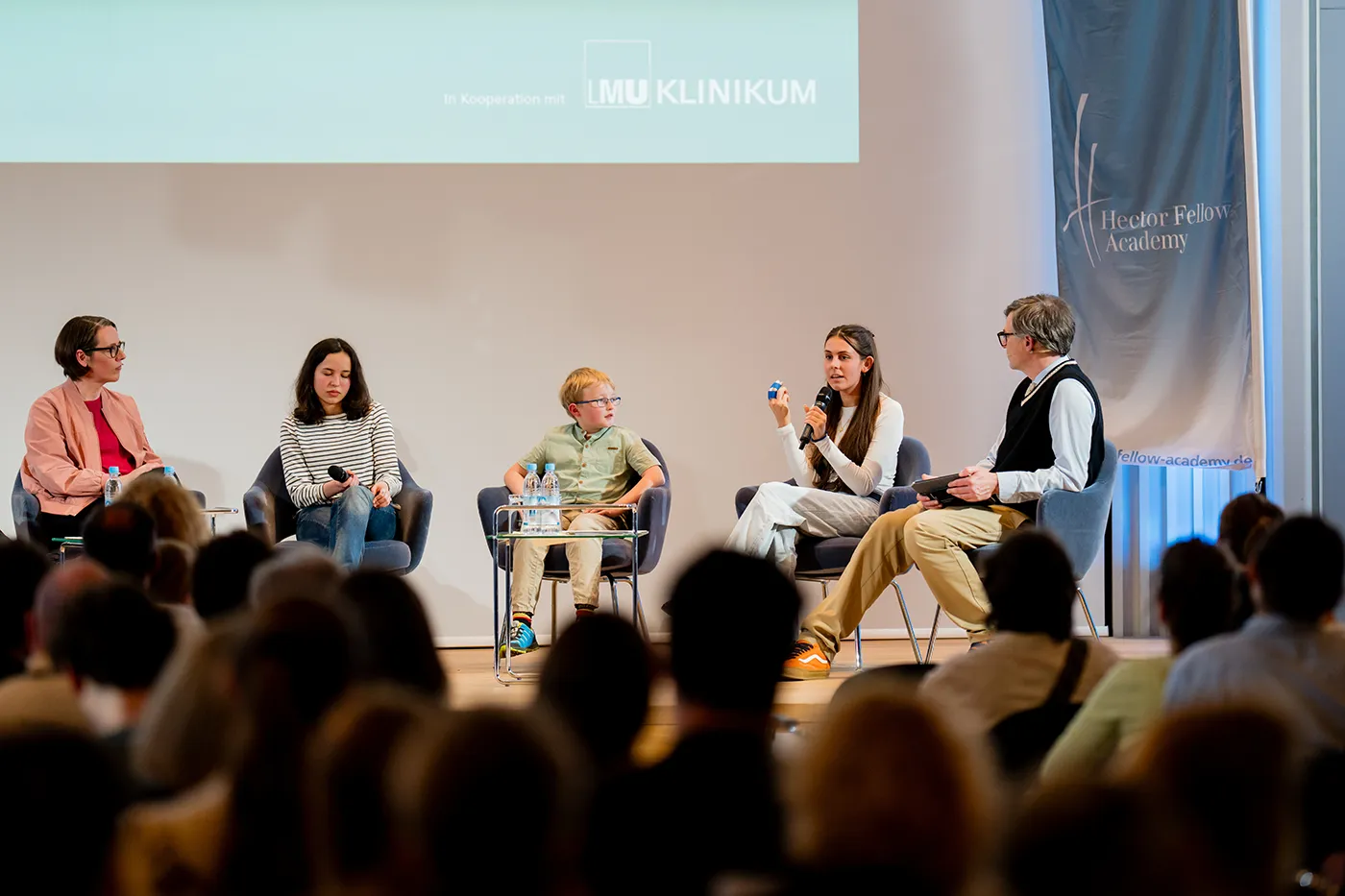
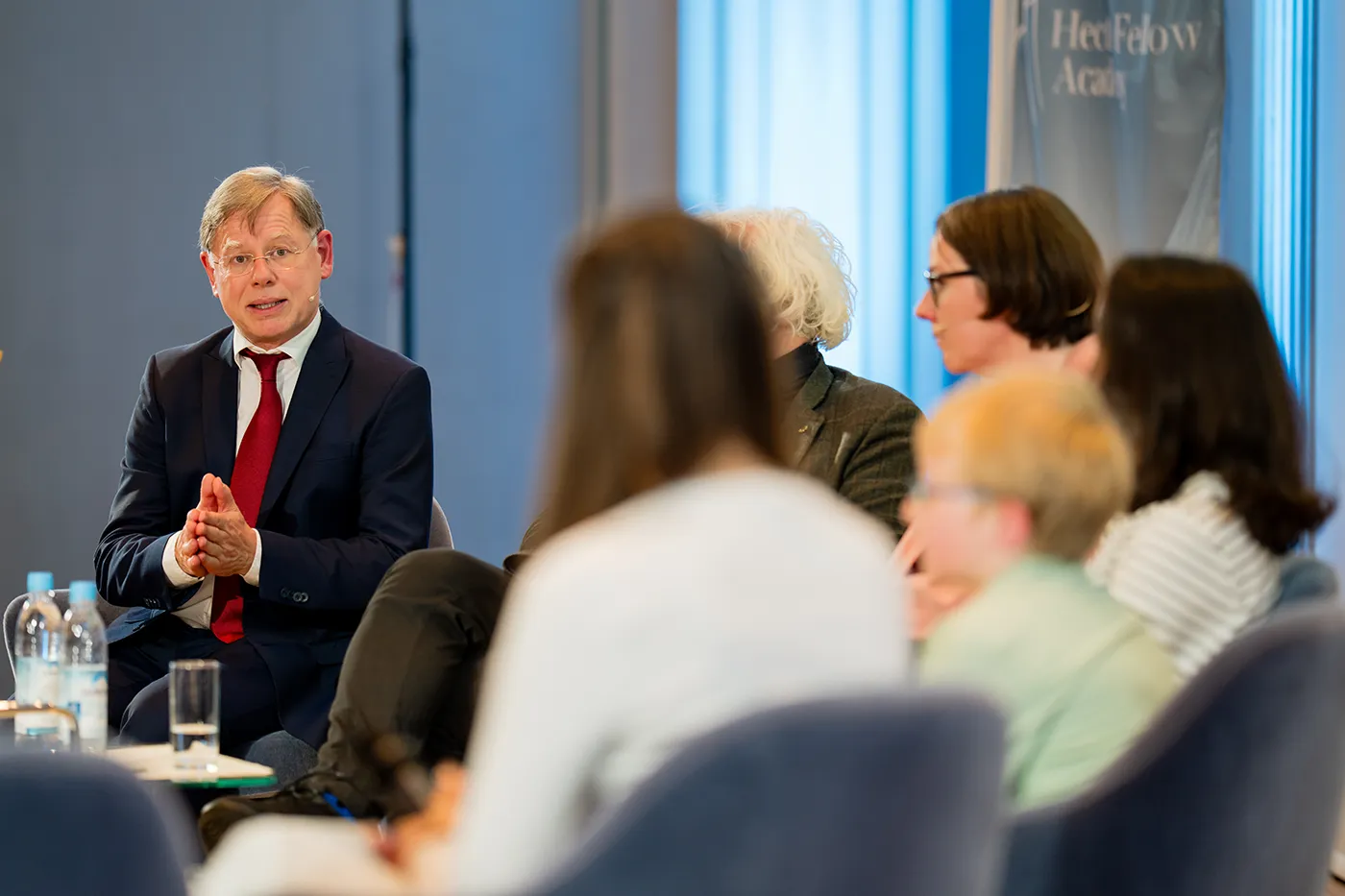
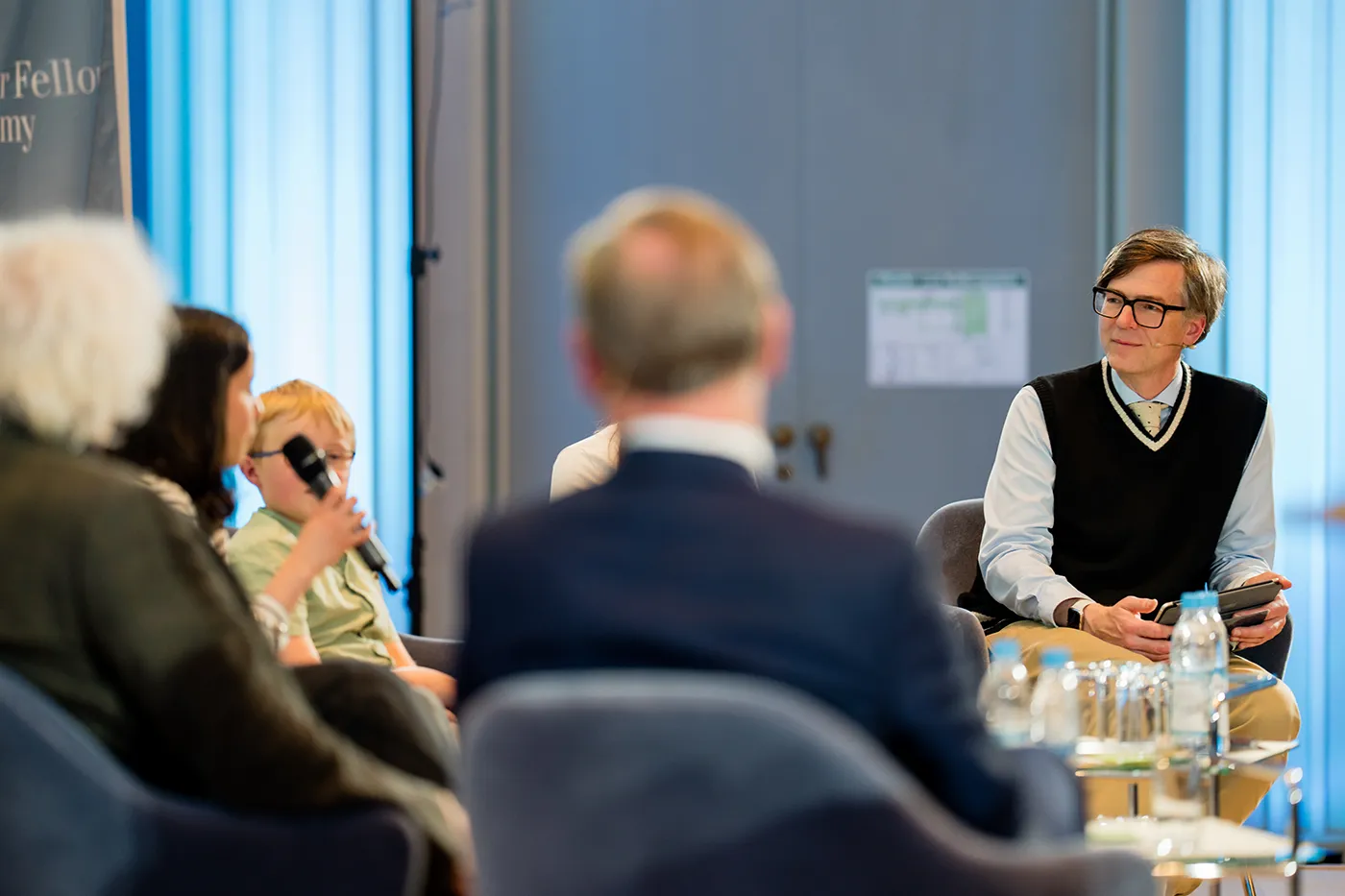
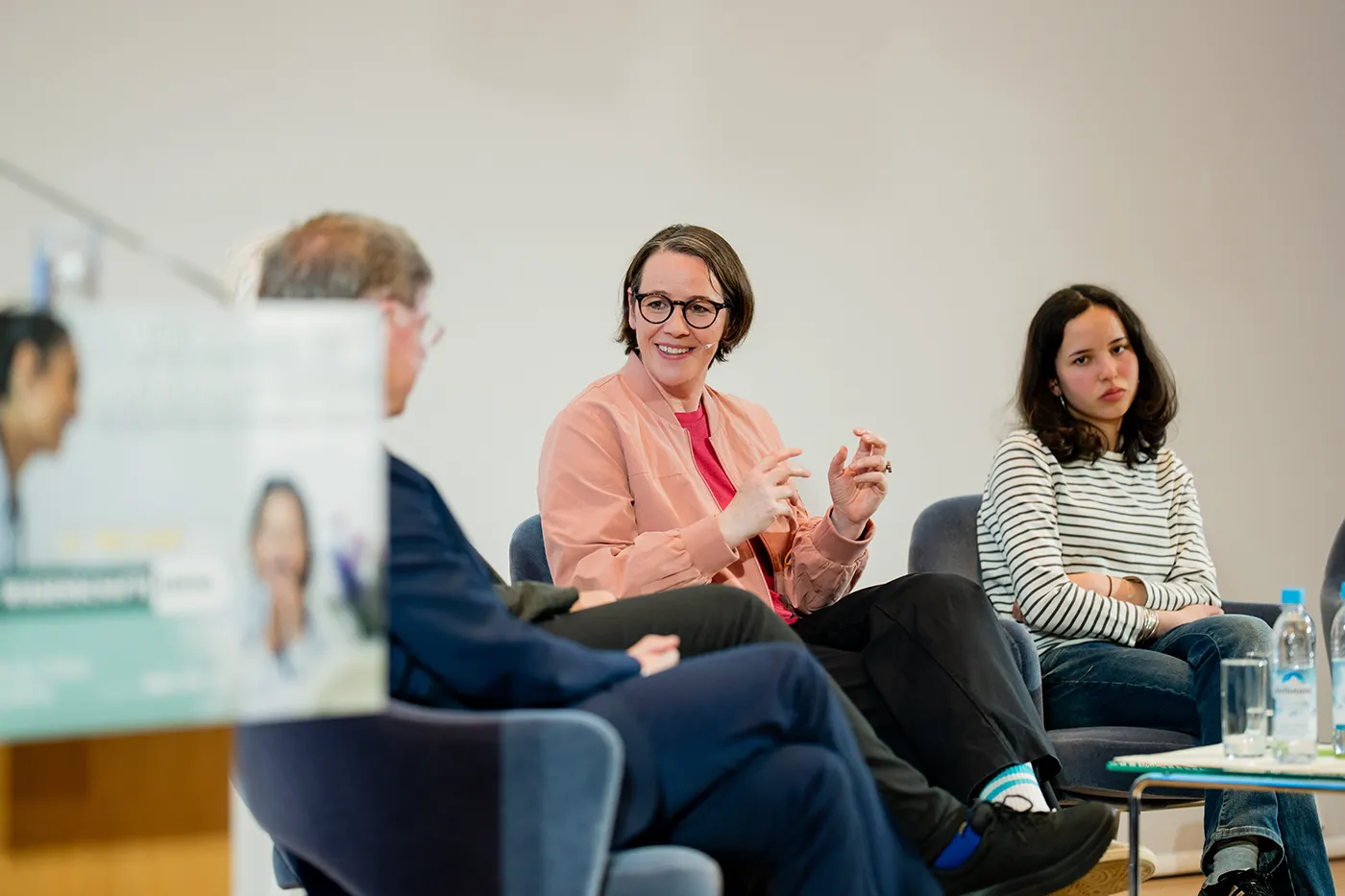
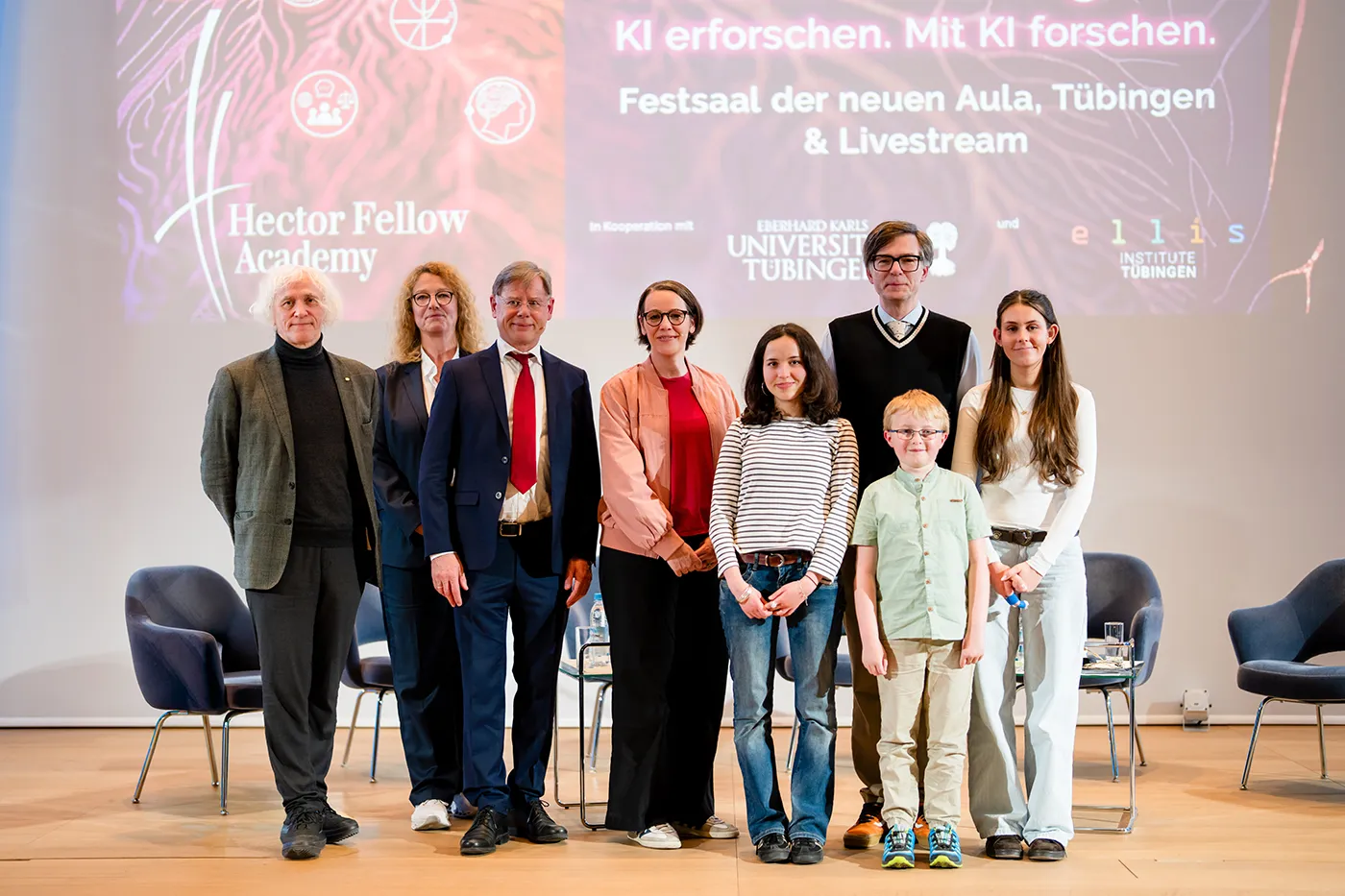
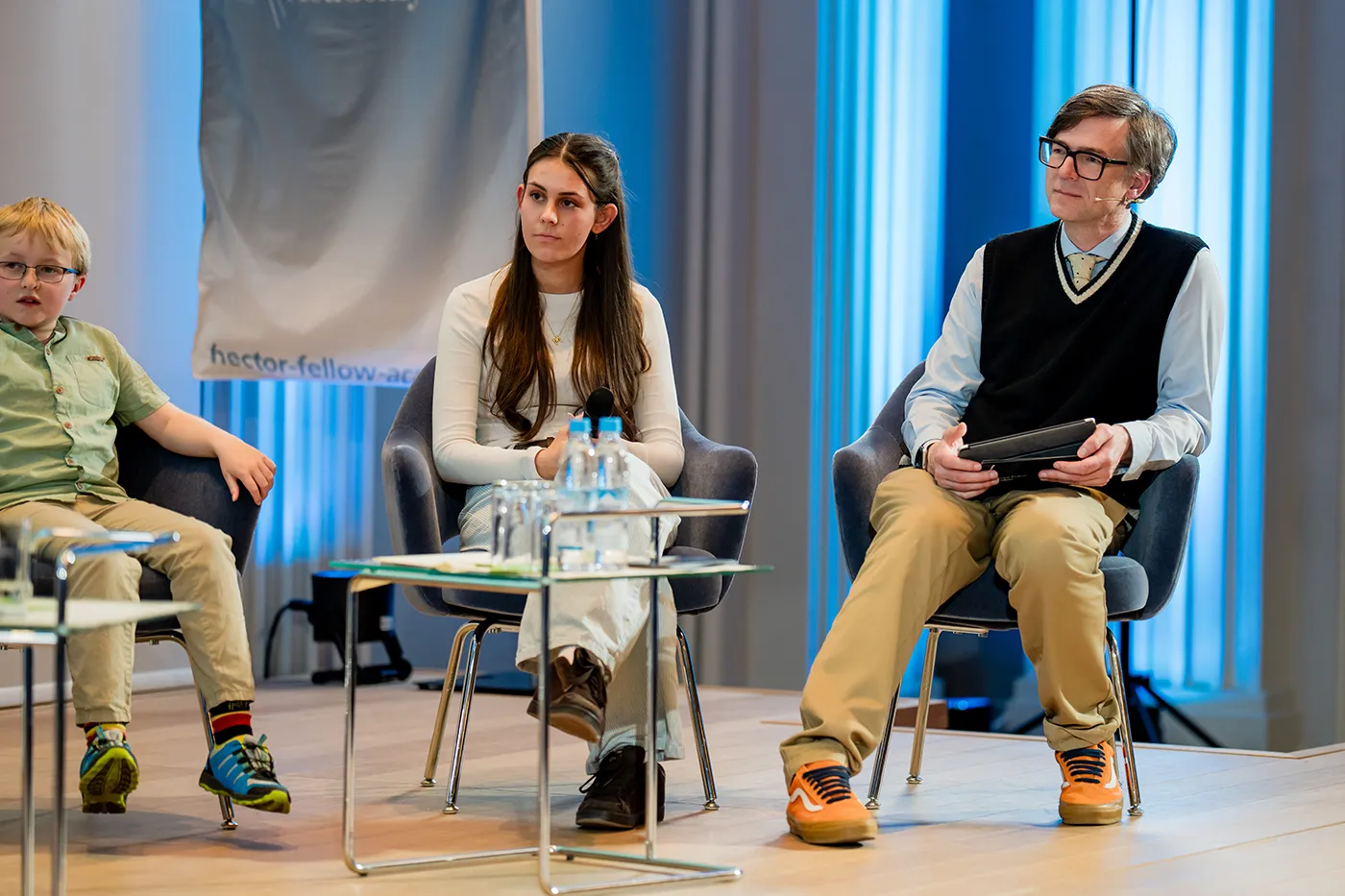
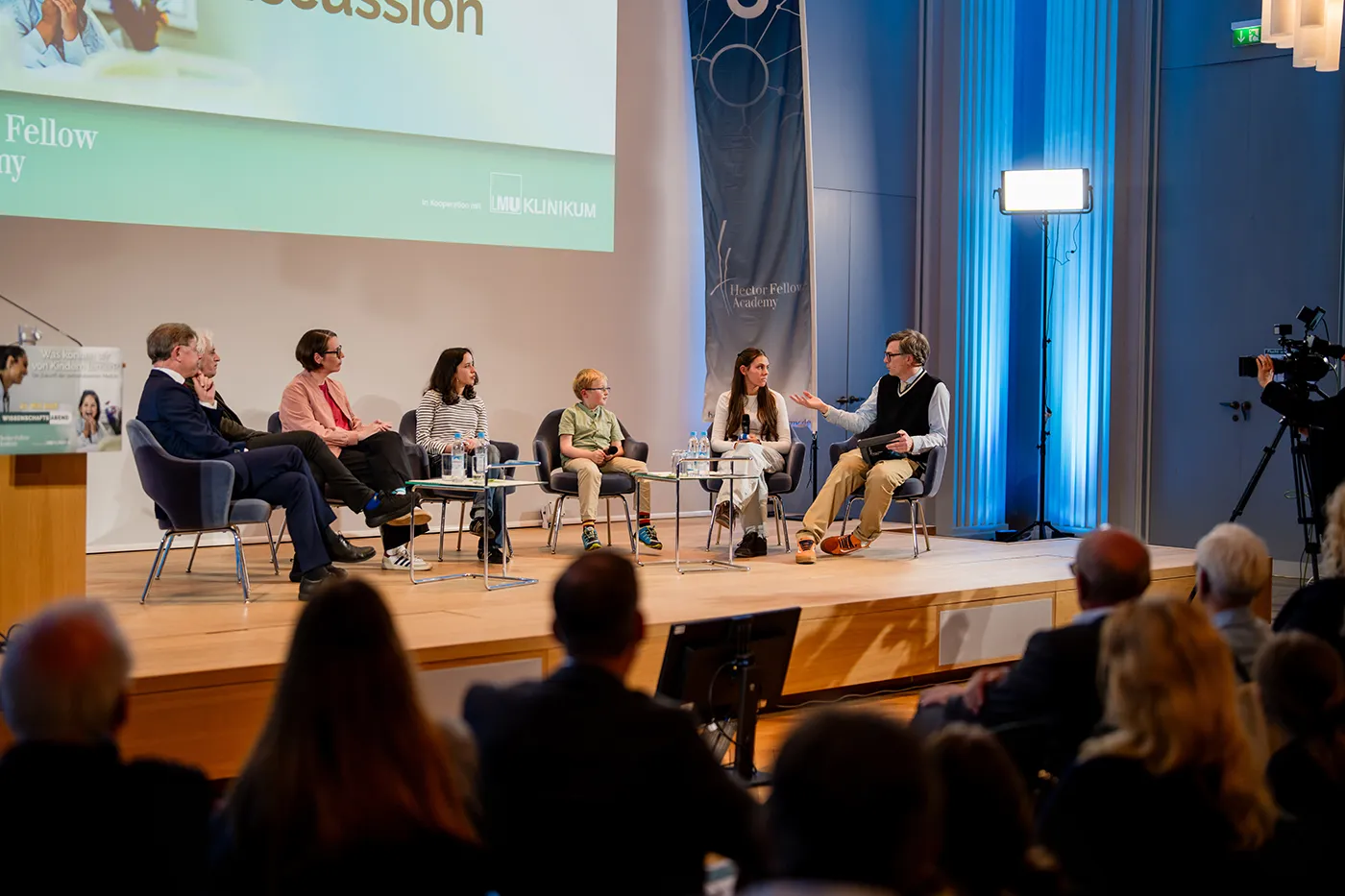
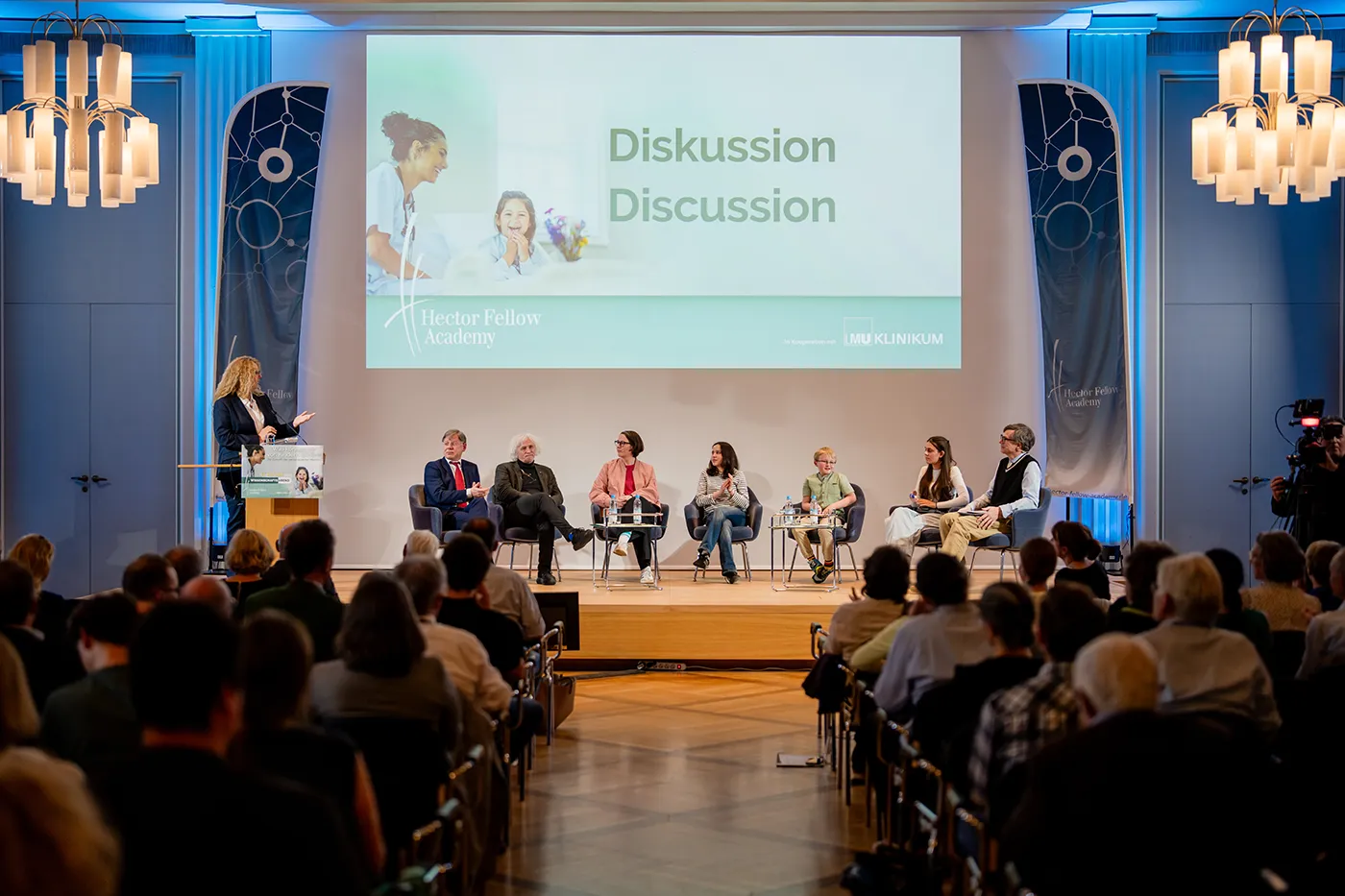
The subsequent panel discussion brought together the speakers and three representatives of the Children and Youth Research Council of the Dr. von Hauner Children’s Hospital. Together, they discussed how the perspectives, experiences, and opinions of young people can be more effectively integrated into medical practice in the future.
The next Science Evening of the Hector Fellow Academy will take place on 9 June 2027 in the ceremonial hall of the Neue Aula at the University of Tübingen. The scientific host will be Bernhard Schölkopf, Director at the Max Planck Institute for Intelligent Systems, Professor at ETH Zurich, and Founding Director of the ELLIS Institute in Tübingen.
Scientific Host
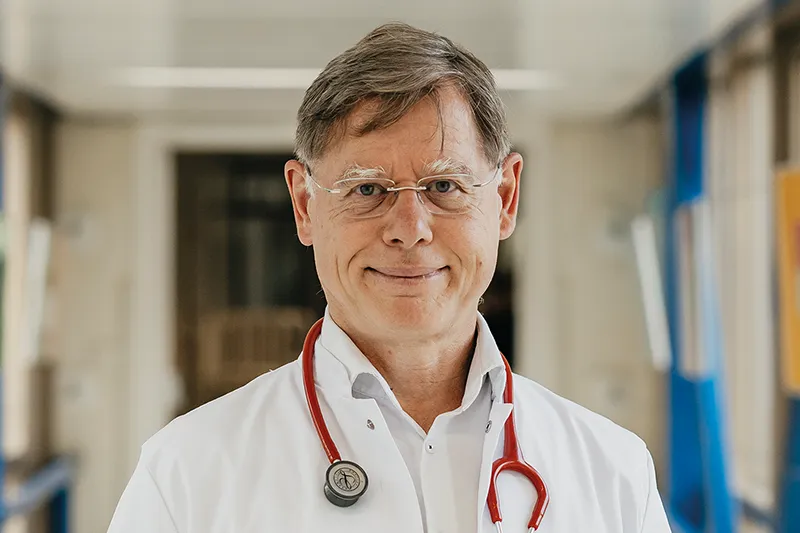
Christoph Klein
Medicine & BiologyHector Fellow since 2013
Moderation

Ralph Caspers
TV host, author and actorWhat Children Teach Us
The Future of Medicine
Children are not simply small adults — they experience illness, health, and medical treatment in their own unique ways. How can advances in pediatric and adolescent medicine shape the medicine of tomorrow? Why is it essential to actively involve children in questions concerning their own health? And to what extent can children’s rights become a driving force for better, more individualized medicine?
Image Gallery


Scientific Talks
Christoph Klein
Pediatric Clinic and Polyclinic, Dr. von Hauner Children's Hospital, Ludwig Maximilian University of Munich
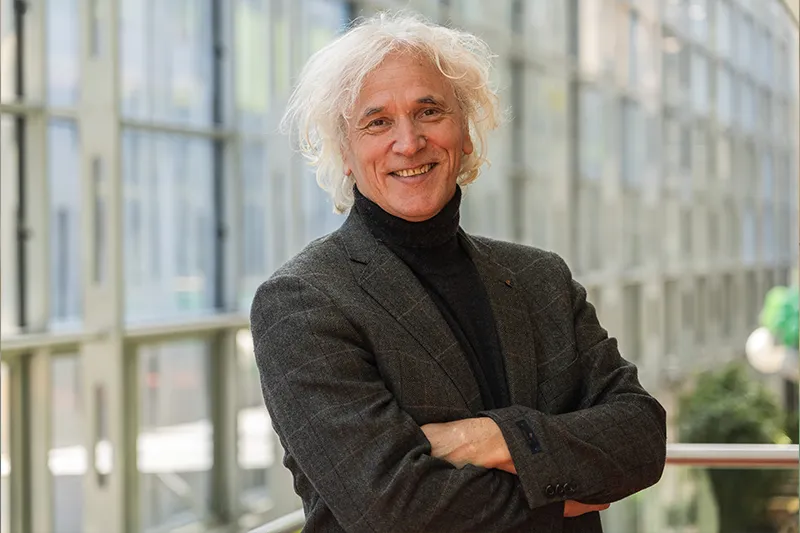
Josef Penninger
Medical University of Vienna and Helmholtz Centre for Infection Research, Braunschweig
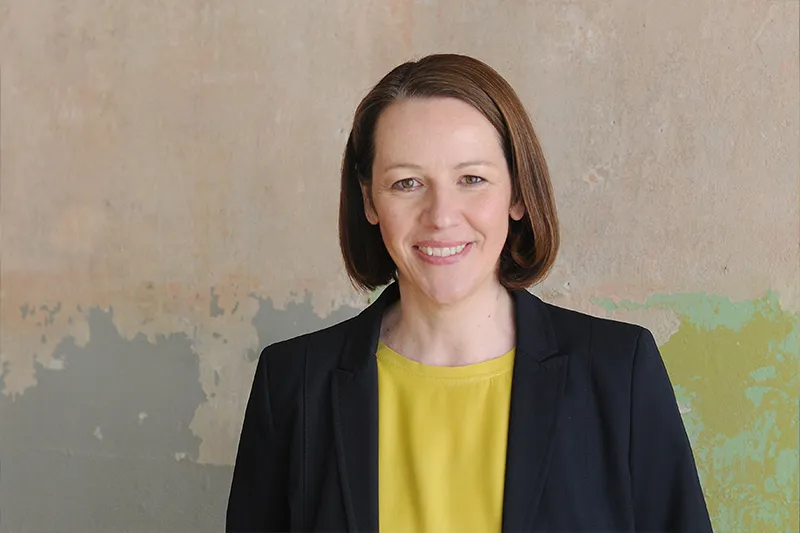
Claudia Kittel
Monitoring Office UN Convention on the Rights of the Child in Germany
In cooperation with