

Engineering Covalent Quantum Model Systems
Hector Fellow Manfred Kappes
Hector RCD Awardee Philip Willke
The project is developing covalently linked porphyrin spin chains on ultrathin insulators to create designer quantum model systems. Using low-energy electrospray ion beam deposition (LEIBD), mass-selected metal-tetraphenylporphyrin fragments are selectively deposited onto MgO/Ag(100) or NaCl/Au(111) substrates and linked into short 1‑D chains (2–6 units). Using ESR-STM and pulsed ESR techniques (Rabi, Ramsey, Echo), the g‑factor, exchange, and dipole couplings are determined and the spins are coherently controlled, creating a versatile platform for molecular quantum simulators.
The project aims to fabricate covalently linked porphyrin‑spin chains on ultrathin insulating films and to employ them as designer quantum‑model systems. Conventional on‑surface synthesis on Au(111) can produce atomically precise spin lattices, but the strong hybridisation with the metal substrate dramatically shortens spin lifetimes. In contrast, thin insulating layers such as MgO/Ag(100) or NaCl/Au(111) decouple the spins from the conductive substrate, enabling electron‑spin‑resonance scanning tunnelling microscopy (ESR‑STM) with MHz‑wide linewidths; however, these insulators do not support the metal‑catalysed coupling reactions required to build extended structures. The central challenge therefore is to create chemically defined, covalent spin chains that reside on a decoupling surface while preserving long coherence times.
The integration of mass‑selected ion soft‑landing with ESR‑STM represents a methodological breakthrough that is not available at any single site today. It provides a modular platform on which arbitrary molecular building blocks can be arranged with controlled spin coupling, and the approach is readily extensible to larger biomolecules such as metalloproteins. In the long term the project will deliver an open toolbox for the community, linking fundamental surface physics with quantum‑information and sensing applications and laying the foundation for the next generation of molecular quantum simulators.
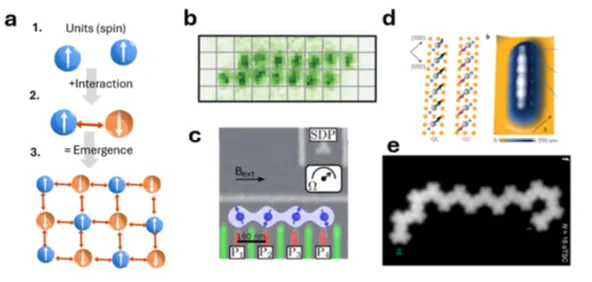
Figure 1 | Designer quantum systems across platforms
Johannes Seibel
Karlsruhe Institute of Technology (KIT)
Wantong Huang
Karlsruhe Institute of Technology (KIT)Supervised by

Manfred Kappes
Chemistry & PhysicsHector Fellow since 2009

Philip Willke
Physics, Chemistry Hector RCD Awardee since 2022