Promotion of interdisciplinary exchange
Interdisciplinary Projects
© Pter - Adobe Stock

Beyond Retinal: Machine Learn­ing Models for Photo­chem­i­cal Control in Rhodopsins

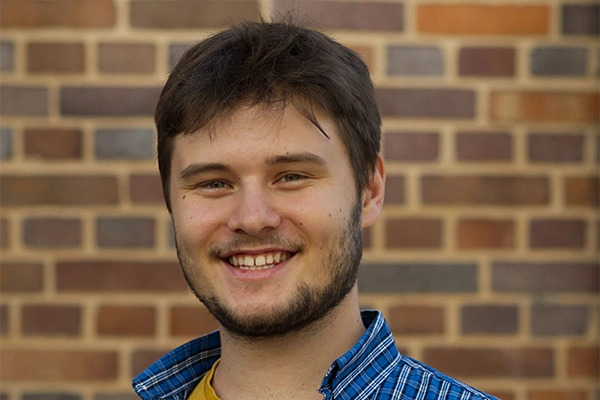
Hector RCD Awardee Prof. Dr. Carolin Müller

Hector Fellow Prof. Dr. Klaus Robert Müller

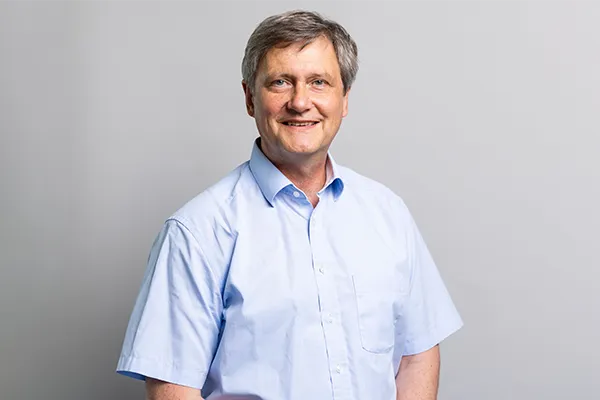
Hector Fellow Prof. Dr. Peter Hegemann

The project devel­ops a machine‑learning frame­work that can accurately predict excited‑state proper­ties of rhodopsins. To this end, a QM/MM dataset of retinal deriv­a­tives in protein‑like environ­ments is gener­ated and used to train an extended SO3LR model. Through itera­tive synthe­sis and ESR‑STM‑like spectroscopy of delib­er­ately mutated rhodopsin variants, the predic­tions are contin­u­ously validated and optimized. The final models enable fast, reliable estimates of absorp­tion and emission spectra as well as photo­chem­i­cal reaction pathways, thereby consti­tut­ing a data‑driven platform for the ratio­nal design of new light‑responsive proteins. The project involves Prof. Dr. Carolin Müller, Prof. Dr. Klaus Robert Müller, and Prof. Dr. Peter Hegemann.

Rhodopsins are light‑sensitive proteins that contain a covalently bound retinal chromophore as the photo‑active unit. Although all rhodopsins share this common core, they exhibit a wide spectrum of photo­chem­i­cal reactions – from simple E/Z isomer­iza­tions to multi‑step pathways – and conse­quently differ­ent functions. This diver­sity arises from the subtle inter­play between the intrin­sic reactiv­ity of the chromophore and the modulat­ing effect of the surround­ing protein matrix on the dark state, the excited state, and the photo­prod­uct state. A deep under­stand­ing of these inter­ac­tions is a prereq­ui­site for decipher­ing the molec­u­lar princi­ples of biolog­i­cal light percep­tion and for delib­er­ately control­ling photo­chem­i­cal reactiv­ity. Exper­i­men­tal methods such as time‑resolved UV/Vis and Raman spectroscopy provide valuable data, but the ultra­fast dynam­i­cal processes compli­cate their inter­pre­ta­tion and often lead to specu­la­tive structure‑property relation­ships. Quantum‑chemical simula­tions of the excited state offer mecha­nis­tic insight, yet they are practi­cally inacces­si­ble for the large chromophore‑protein complexes of rhodopsins.

The proposed research addresses this limita­tion by devel­op­ing a machine‑learning (ML) frame­work that describes excited states in covalently bound systems, using rhodopsins as a model. First, a high‑quality QM/MM dataset of retinal deriv­a­tives in protein‑like environ­ments will be gener­ated, contain­ing both ground‑ and excited‑state proper­ties (geome­tries, TD‑DFT energies, oscil­la­tor strengths, non‑adiabatic couplings). Based on this dataset, the exist­ing SO3LR model will be extended. Work package 1 focuses on adapt­ing SO3LR for rapid and accurate predic­tion of ground‑ and emission spectra by curat­ing about 100 rhodopsin struc­tures from the Protein Data Bank and supple­ment­ing them with high‑level QM/MM calcu­la­tions (ground‑state geome­try optimiza­tions, TD‑DFT verti­cal excita­tions, excited‑state minima). Work package 2 intro­duces a fragment‑biased graph‑neural‑network encod­ing that highlights the retinal fragment, thereby better captur­ing the local electronic and geomet­ric changes that govern excited‑state proper­ties. Work package 3 employs the refined models to predict photo­chem­i­cal reaction pathways; static refer­ence data will be gener­ated by inter­po­lat­ing geome­tries between relevant minima, construct­ing conical inter­sec­tions and CASPT2‑optimized poten­tial energy surfaces, and the trained network will provide energies, forces and approx­i­mate non‑adiabatic couplings for the S₀ and S₁ states, which will be fed into surface‑hopping dynam­ics (e.g., SHARC) to obtain reaction rates, branch­ing ratios and product yields. Work package 4 closes the itera­tive learn­ing loop: model‑suggested variants (e.g., red‑shifted absorp­tion or high fluores­cence quantum yield) will be engineered, expressed in Pichia pastoris or HEK cells, purified by affin­ity chromatog­ra­phy and charac­ter­ized by steady‑state and time‑resolved Raman, UV/Vis and FTIR spectroscopy, with femtosec­ond Raman measure­ments performed in collab­o­ra­tion with exter­nal partners. The exper­i­men­tal results will be fed back into model optimisation.

The project combines the exper­tise of Prof. Dr. Klaus Robert Müller (machine learn­ing for chemistry and physics), Prof. Dr. Carolin Müller (high‑quality QM/MM data and exten­sion of ML models for excited states) and Prof. Dr. Peter Hegemann (synthetic, expressed and spectro­scop­i­cally studied rhodopsin deriv­a­tives). By integrat­ing mass‑selected ion soft‑landing with ESR‑STM, a method­olog­i­cal break­through is created that does not yet exist, provid­ing a modular platform for the controlled assem­bly of arbitrary molec­u­lar build­ing blocks and their spin coupling, and which can be seamlessly trans­ferred to larger biomol­e­cules such as metal­lo­pro­teins. In the long term, an open toolbox will be estab­lished for the commu­nity, linking funda­men­tal surface physics with quantum infor­ma­tion and sensing, and laying the founda­tion for the next gener­a­tion of molec­u­lar quantum simula­tors and optoge­netic tools.

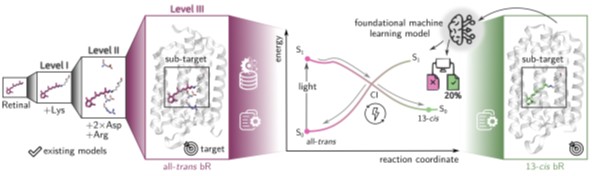
Illustration of the overarching project objective: Developing excited-state machine learning (ML) models

Figure 2: Illus­tra­tion of the overar­ch­ing project objec­tive: Devel­op­ing excited-state machine learn­ing (ML) models to go beyond retinal model systems (left) to predict photoin­duced phenom­ena of retinal within its native protein environ­ment (colored boxes). This will be addressed by combin­ing compu­ta­tional chemistry, machine learn­ing, and spectroscopy to estab­lish a founda­tional ML framework.


Super­vised by

Prof. Dr.

Carolin Müller

Chemistry, Infor­mat­ics
Disziplinen Carolin MüllerHector RCD Awardee since 2024
Prof. Dr.

Klaus-Robert Müller

Infor­mat­ics, Mathe­mat­ics & Physics

Hector Fellow since 2023Disziplinen Bernhard Schölkopf

Prof. Dr.

Peter Hegemann

Biology, Chemistry & Medicine

Hector Fellow since 2015Disziplinen Peter Hegemann