Creat­ing the Future
Doctoral projects

Machine Learn­ing Models for gravi­ta­tional waves analysis

Mateusz Kapusta - Hector RCD Awardee Maximilian Dax

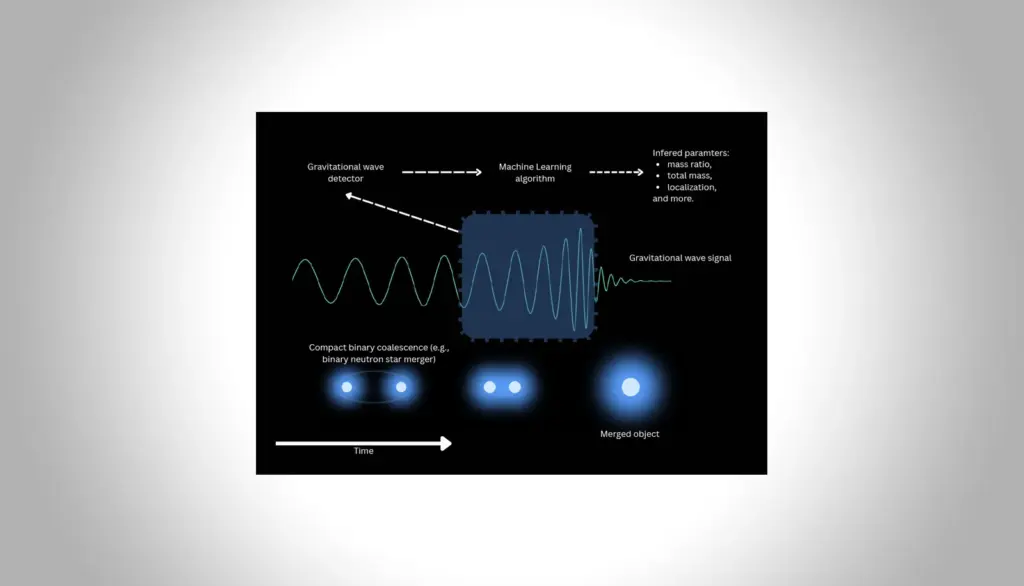
Modern gravitational-wave observatories such as LIGO, Virgo, and KAGRA, along with future projects like LISA, are essential tools for understanding the physical processes occurring throughout our Universe. However, the complexity and sheer volume of their data make analysis computationally demanding. My PhD research aims to streamline the analysis of data from these observatories by leveraging modern machine learning techniques, including Simulation-Based Inference (SBI).
© Michael J. Williams

One Ring to Light Them All: Decod­ing Single-Benzene Emitters

Shi Hui Wong - Hector RCD Awardee Carolin Müller

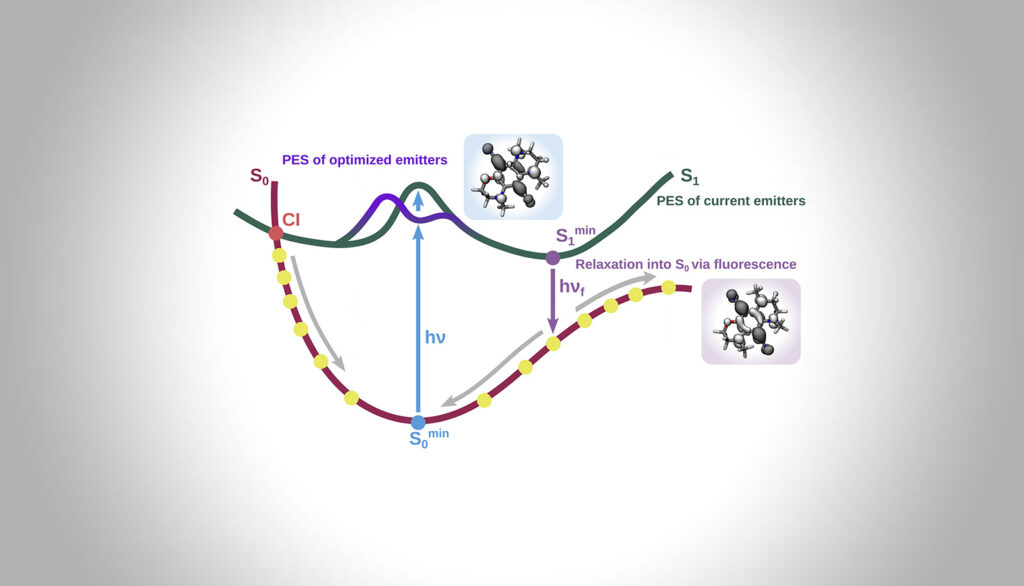
Photoactive molecules with precisely tunable absorption and emission properties play a key role in fields such as photocatalysis and green synthesis. While this tuning is conventionally achieved by altering the length of the π-conjugated chromophore, we exploit donor-acceptor substitution in compact aromatic building blocks to achieve this tuning and to understand how these molecules drive specific photochemical processes.

Schematic illustration of potential energy surfaces of the two lowest lying singlet states of a fluorophore and its key photophysical processes. Absorption and fluorescence are indicated by colored arrows, while non-radiative processes are depicted by gray arrows.

© Shi Hui Wong

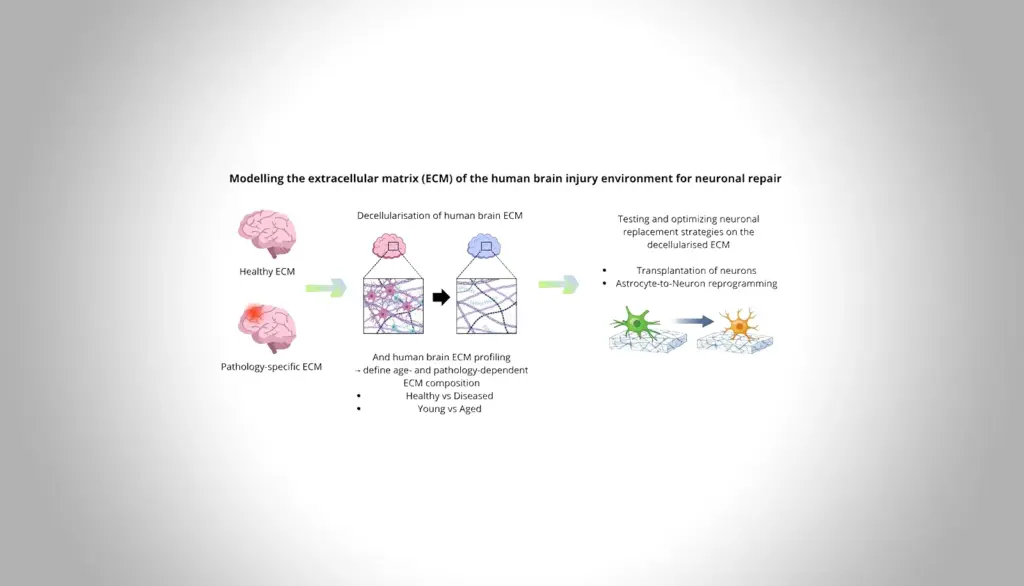
Model­ling extra­cel­lu­lar matrix of human adult brain injury for repair

Meriem Ernez - Hector RCD Magdalena Götz

Brain injury and neurodegeneration cause irreversible neuron loss. This project models the adult human brain injury environment by decellularizing adult human brain tissue from patients and characterizing its extracellular matrix (ECM). Neuronal replacement strategies will be tested, including transplantation of human iPSC-derived neurons and reprogramming of iPSC-derived or adult astrocytes isolated from resection material, to define conditions that support neuronal replacement across diseases and ages.

© Meriem Ernez

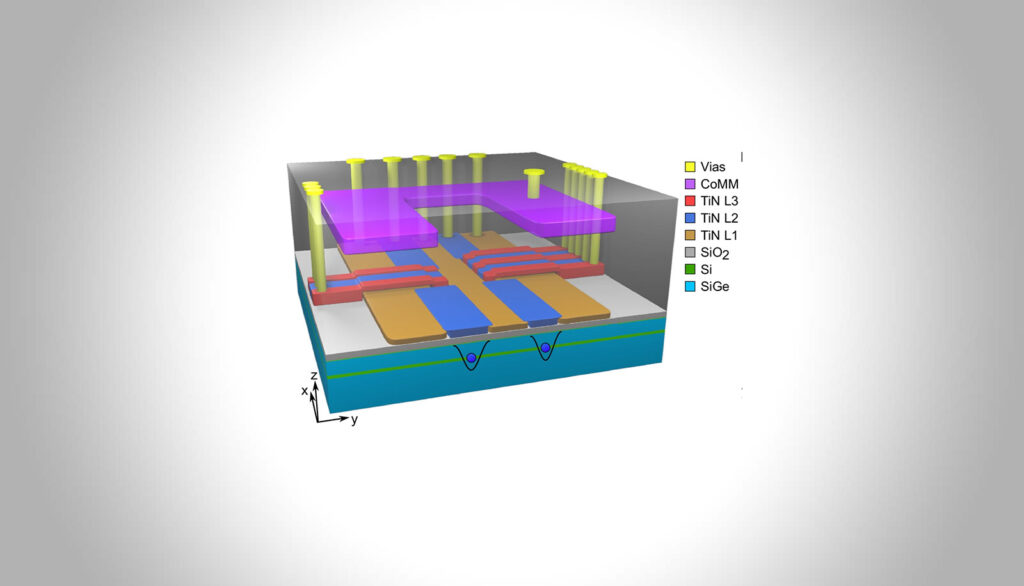
Quantum infor­ma­tion process­ing with scalable semicon­duc­tor spin-qubit chips

Dominic Barthlott - Hector Fellow Wolfgang Wernsdorfer

Quantum computing has the potential to provide speedups for classical problems such as complex simulation, optimization and cryptography tasks, but requires scalable and reliable qubit technologies. Semiconductor spin qubits combine long coherence times with established industrial fabrication techniques. This project focusses on implementing high-fidelity two-qubit gates, which are then expanded to multi-qubit arrays and quantified by applying quantum information algorithms together with rigorous benchmarking.

© Koch, T., Godfrin, C., Adam, V. et al.

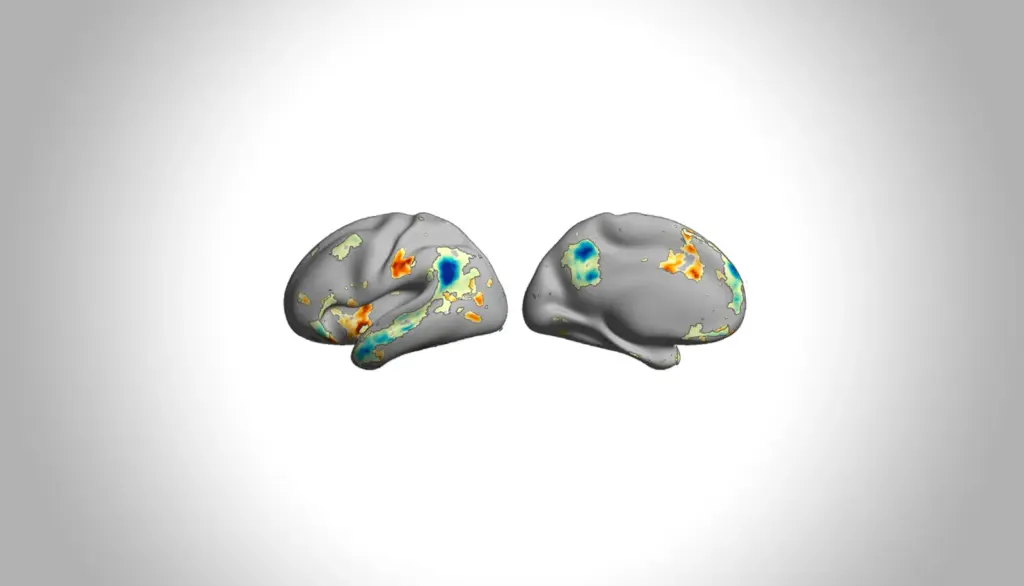
Beyond the Cortex: Subcor­ti­cal Connec­tiv­ity in Social Cognition

Lorenz Ahle - Hector RCD Awardee Sofie Valk

This project explores how subcortical structures such as the amygdala, thalamus, basal ganglia, cerebellum and hippocampus shape social cognition. Using high-resolution fMRI, diffusion MRI and computational modeling it examines how connections between subcortex and cortex support empathy, perspective taking and emotional regulation.

© Sofie Valk

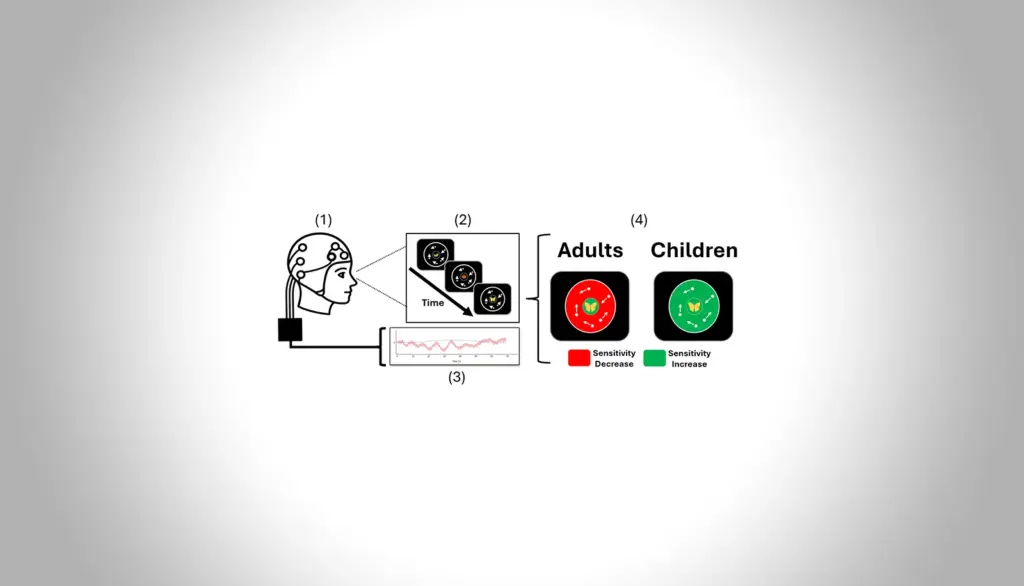
Neural mecha­nisms of visual percep­tual learn­ing in children and adults

Dominik Aschenbrenner - Hector RCD Awardee Sebastian Frank

Visual perceptual learning (VPL) – a type of visual skill learning – has often been studied in adults as a model system to identify neural mechanisms of learning. However, it is unclear whether children employ similar neural mechanisms for VPL as adults. In this project, we will use non-invasive brain imaging to measure and compare neural mechanisms of VPL in children and adults and examine whether and if so how learning changes from childhood to adulthood.

© Dominik Aschenbrenner

Synthe­sis and Charac­ter­i­za­tion of biofunc­tion­al­ized organ­otin chalco­genide clusters

Martina Kämpfe - Hector Fellow Stefanie Dehnen

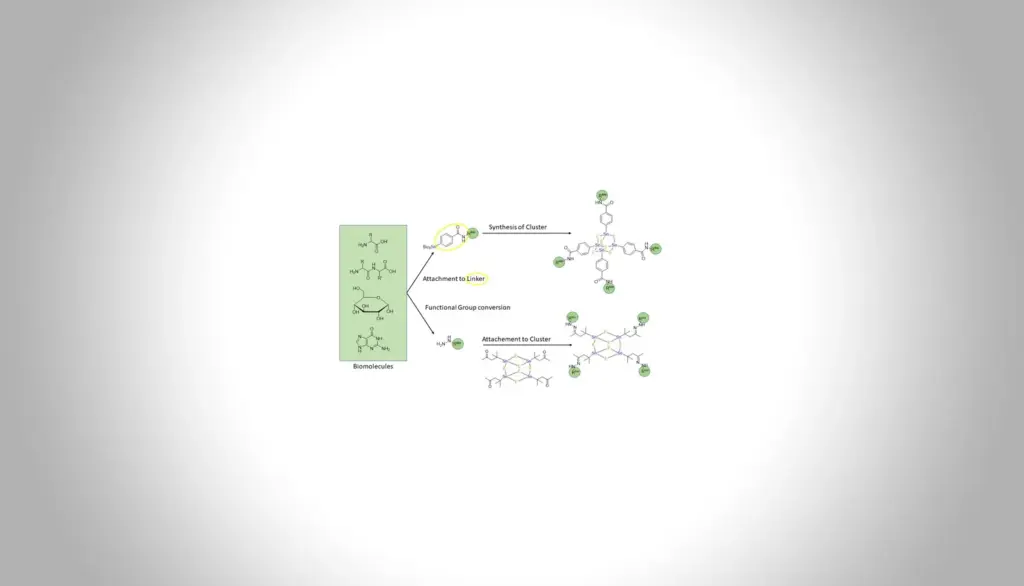
The cytotoxicity of organic tin compounds makes them interesting for cancer chemotherapy. Organotin chalcogenide clusters release under acidic decomposition not only an organic tin compound but also an even more toxic hydrogen chalcogenide. To enable biocompatibility of those clusters, they must be derivatized with biomolecules. This project aims to synthesize biofunctionalized organotin chalcogenide clusters and to investigate their decomposition behavior.

© Martina Kämpfe

Mecha­nisms of mitochon­dr­ial protein translo­ca­tion and membrane biogenesis

Pragya Kaushik - Hector Fellow Nikolaus Pfanner

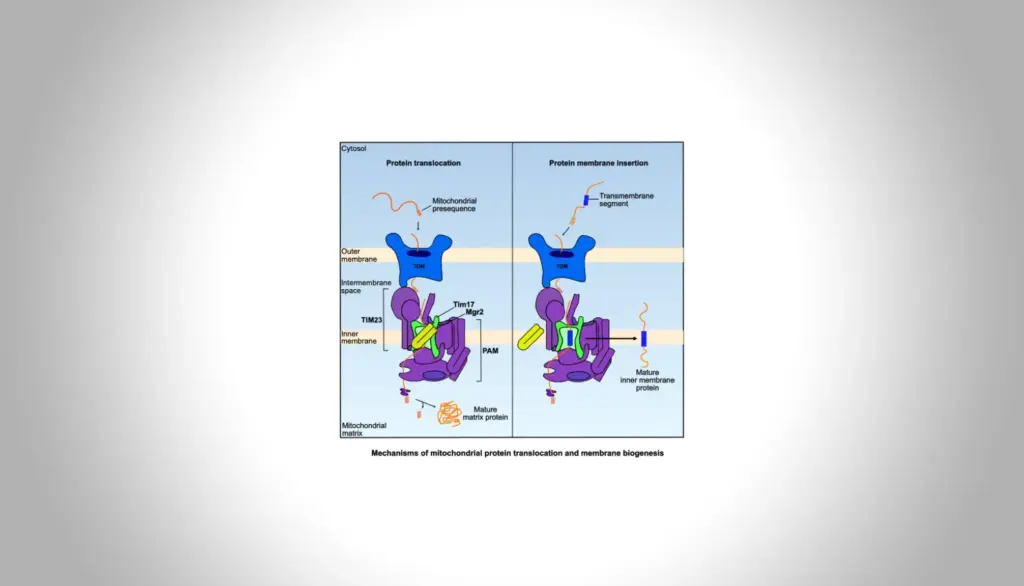
Mitochondrial protein import is mediated by the presequence translocase of the inner membrane (TIM23 complex). While Tim17 is central for inner membrane translocation, the exact role of Mgr2, a small transmembrane protein, remains unclear. This project aims to define the function of Mgr2 in precursor protein import, membrane insertion, and translocase stability using genetic, biochemical, and structural approaches.

© Pragya Kaushik

Electri­cally Free Thermal Actua­tor for Preci­sion Control

Athira Kattiparambil Sivaprasad - Hector RCD Jingyuan Xu

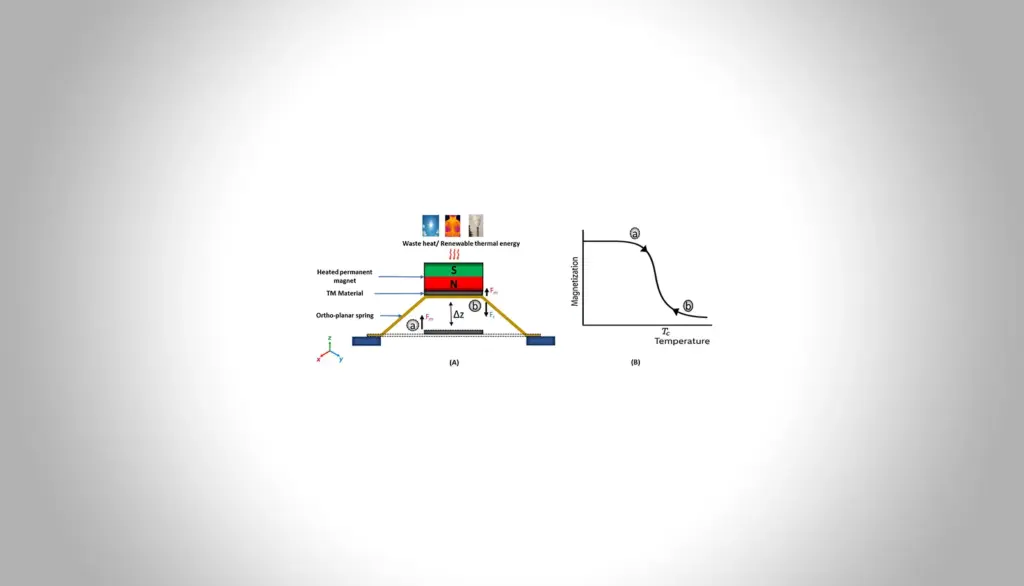
Non-electric actuators offer a promising alternative for sustainable and remote operations. My research focuses on the development of thermal micro-actuators based on thermomagnetic thin films, which harness the intrinsic material property of magnetization loss near the Curie temperature to achieve controlled mechanical motion. Unlike conventional actuators that rely on electrical stimulation, these devices operate by thermal triggering, eliminating the need for continuous electrical input and thereby reducing power consumption.

© Athira Kattiparambil Sivaprasad

tRNA thioepi­tran­scrip­tome: Regula­tion of protein synthe­sis in vessel development

Ioannis Theodorou - Hector RCD Sofia-Iris Bibli

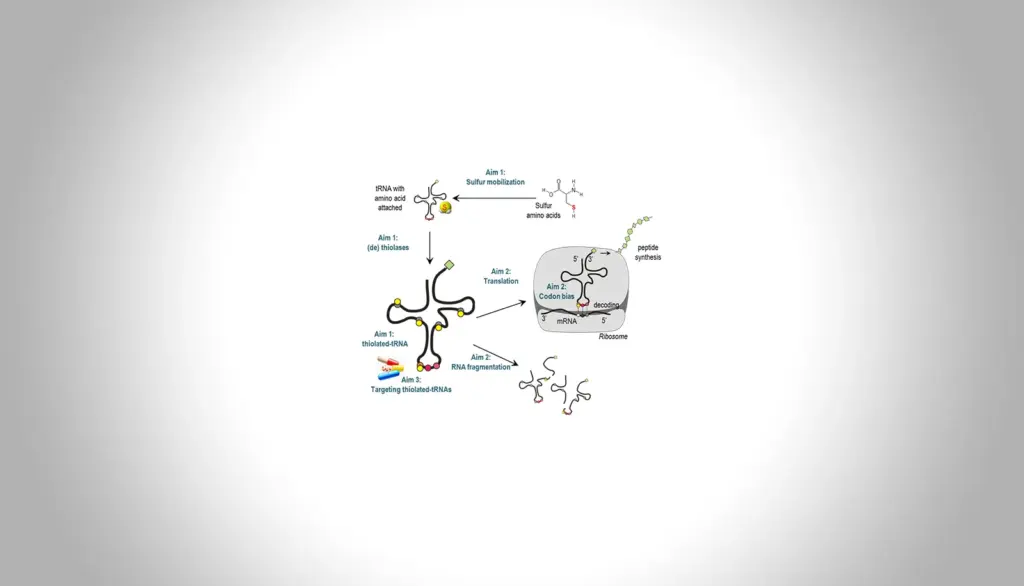
This project investigates how sulfur-containing amino acids regulate tRNA thiolation in endothelial cells, thereby controlling protein translation during vessel growth. Mapping the human endothelial tRNA thio-epitranscriptome will uncover novel translational control mechanisms and lay the foundation for potential therapeutic strategies targeting pathological angiogenesis.

© Ioannis Theodorou