

Creating the Future
Doctoral ProjectsDoctoral Projects
Every year, the Hector Fellow Academy supports several doctoral positions for promising young scientists from all over the world. Under the supervision of a Hector Fellow, they will work on their innovative doctoral projects over a period of three years. In addition to financing their positions, they receive additional research funding from the Academy and take part in further training events.

Current projects
The following doctoral projects projects are supported
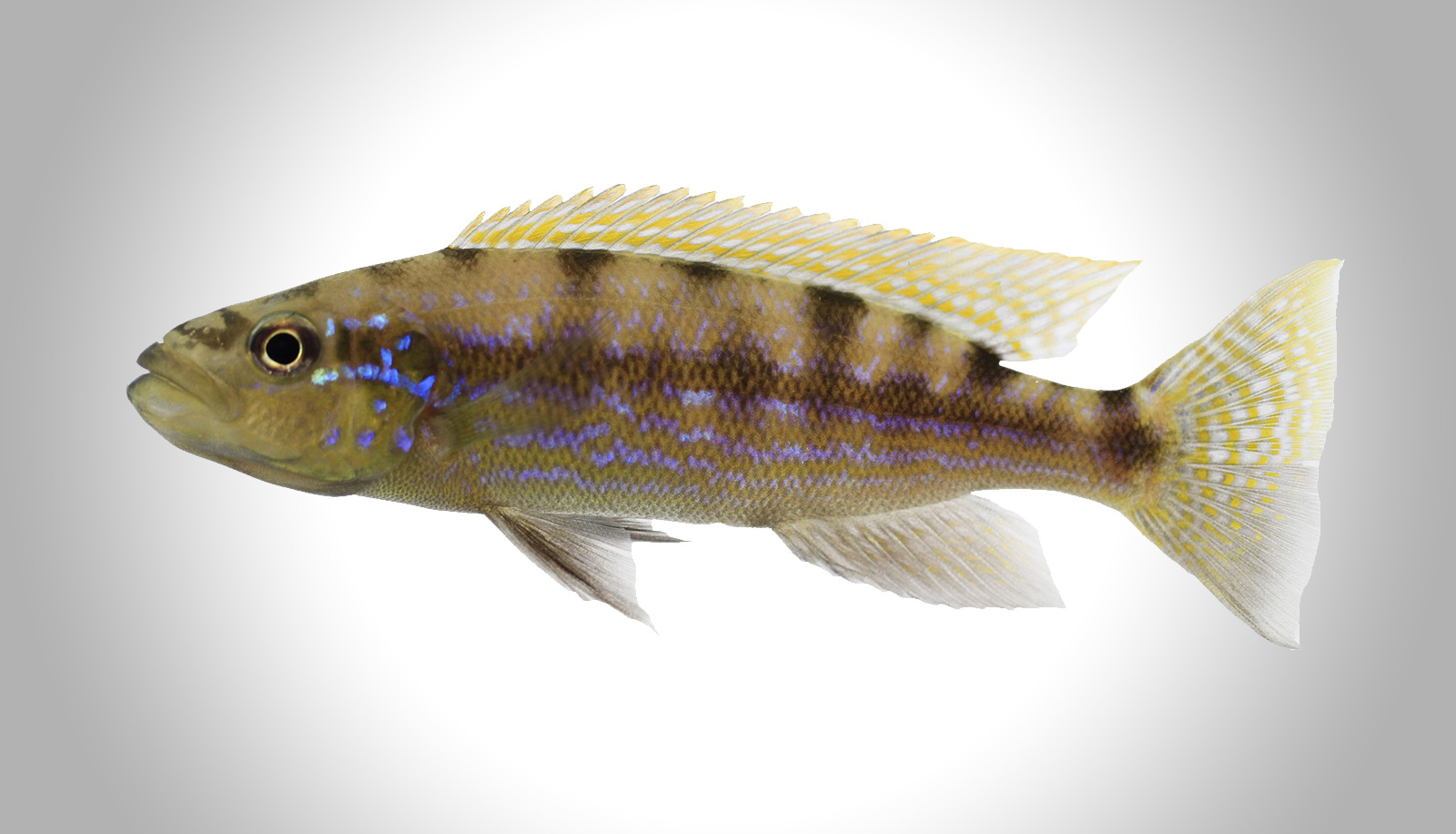
Genetic basis of bilateral asymmetry in a scale-eating fish
Xiaomeng Tian – Hector Fellow Axel Meyer
Most animals exhibit bilateral symmetry, but asymmetric traits have repeatedly evolved in different taxonomic groups. However, the genetic mechanisms responsible for asymmetric trait variation remain unclear. We will use the scale-eating fish, Perissodus microlepis, to dissect the genetic basis of its remarkable morphological and behavioural asymmetry. This study will yield important insights into the mechanistic underpinnings of asymmetric development and the origin of evolutionary novelty.
Neural processes of adaptive and maladaptive memory consolidation
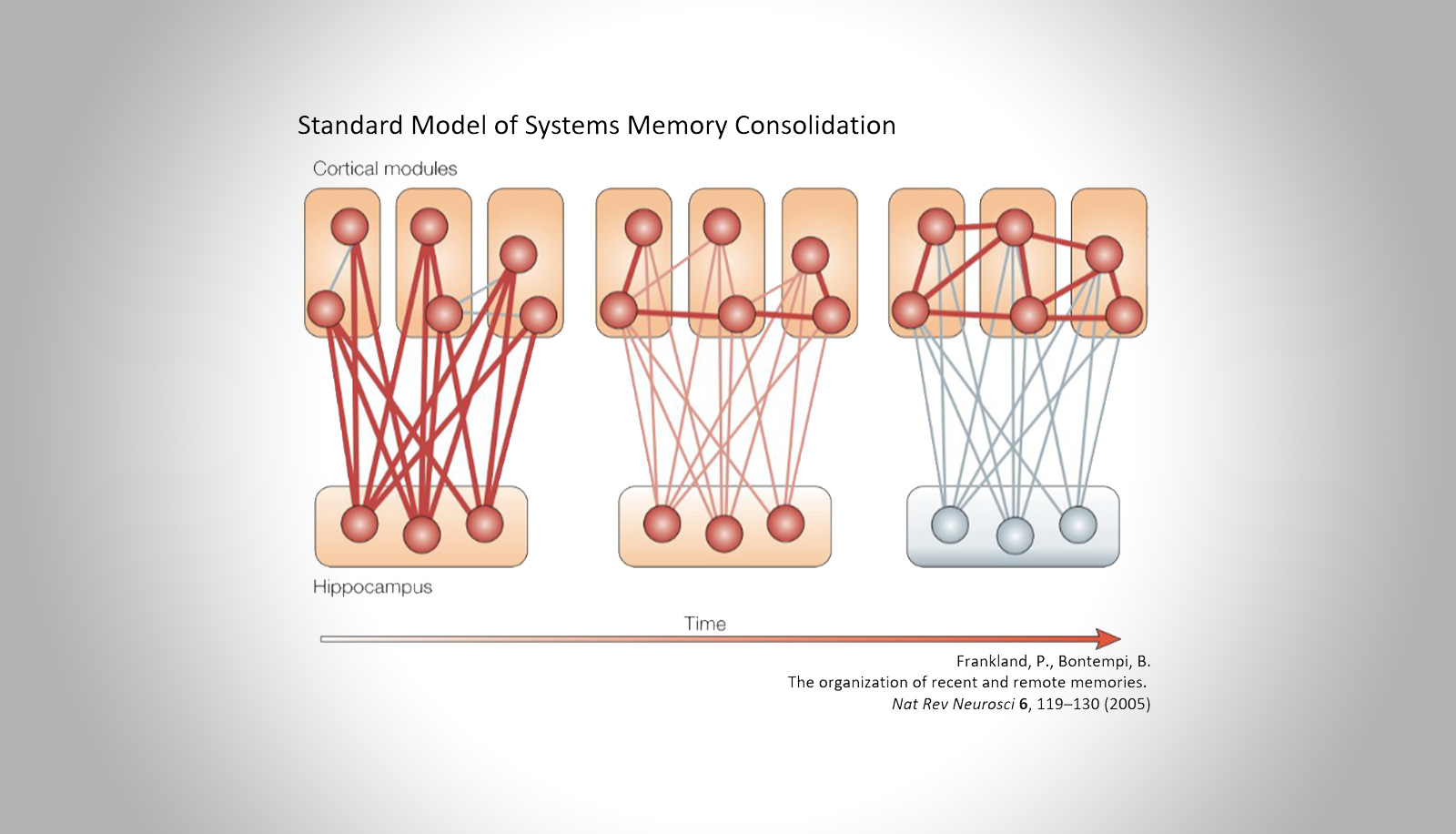
Tobias Debor – Hector RCD Awardee Monika Schönauer
Highly emotional memories are processed differently from neutral ones. For negative experiences, this can result in maladaptive memory formation which may foster emotional psychological disorders. This project aims to improve our understanding of adaptive and maladaptive memory processing. We will analyze brain activity in tasks that model maladaptive memory symptoms. By this, we hope to identify entry points for treatments that counteract maladaptive memory formation.
High-resolution 3D mapping of the human hypothalamus in 10 postmortem brains
Alexey Chervonnyy – Hector Fellow Katrin Amunts
Our study aims to analyse and map the cytoarchitecture of the human hypothalamus in histological sections of 10 postmortem brains. As a result, we want to develop a high-resolution 3D reconstructed histological model of the hypothalamus and its nuclei as a tool for assessing the structure-function relationship and a probabilistic cytoarchitectonic map of the hypothalamus that will reflect the variability of hypothalamic nuclei between individual brains, in terms of size and location in standard reference space.

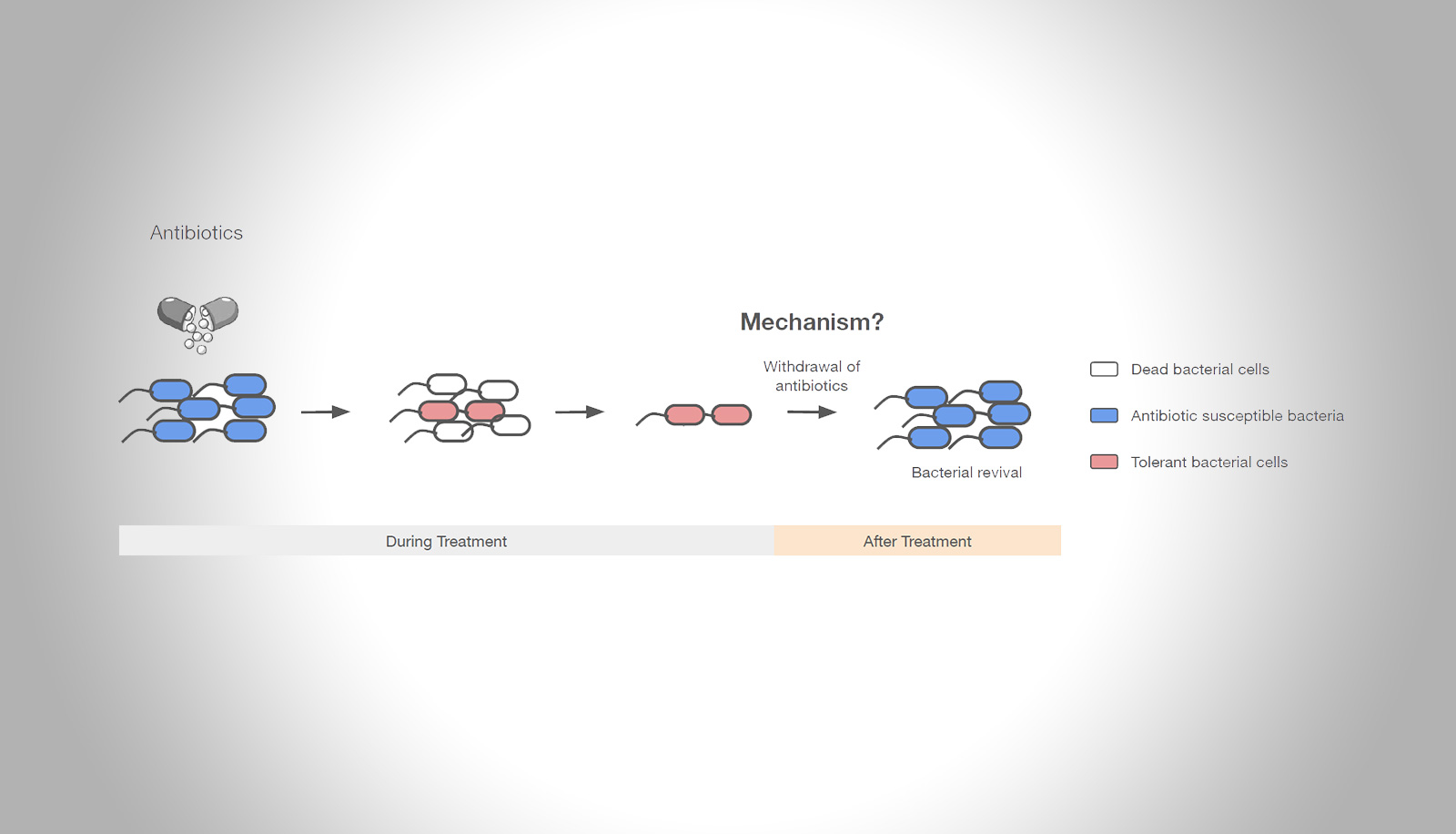
Systems biology approach for elucidating bacterial revival after antibiotic treatment
Adewale Ogunleye – Hector RCD Awardee Ana Rita Brochado
The ability of non-resistant bacterial pathogens to survive antibiotics during infection (tolerance) contributes not only to global rise of antibiotic resistance, but also to chronical relapse of infections. The aim of the project is to understand what contributes to bacterial revival after antibiotic treatment and the underlying biological pathways. The findings of this project will contribute to better informed decisions on the selection of antibiotics to treat infections and prevent relapse.
Security and Anonymity in Quantum Networks
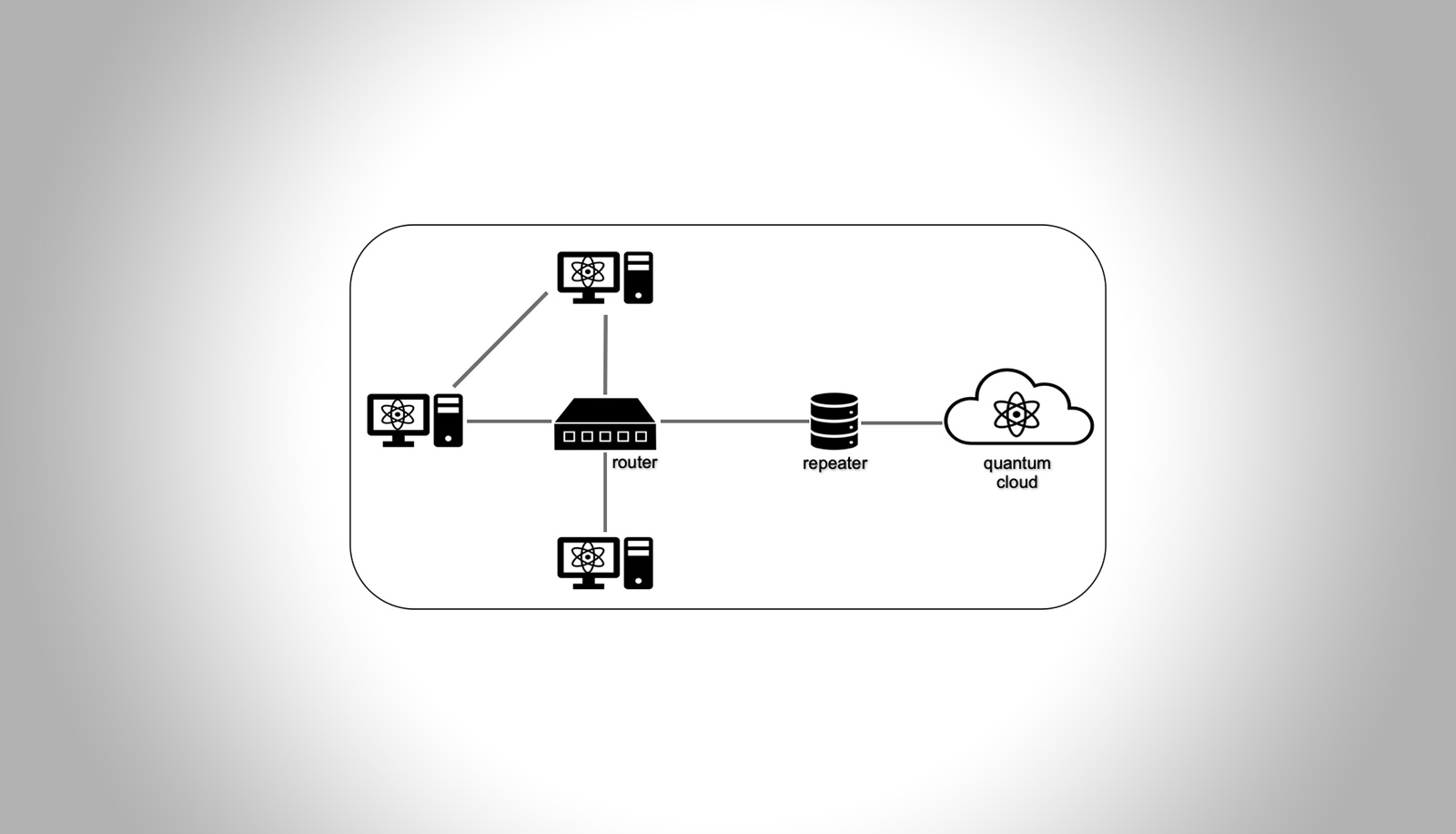
Ziad Chaoui – Hector RCD Awardee Anna Pappa
Due to technological advances we can now build devices that actively manipulate quantum mechanical objects, and using quantum objects as information carriers has many important implications for future communication. Quantum information can be used to achieve perfect security and provide efficiency for communication networks. This research project focuses on designing secure and anonymous quantum communication protocols in an effort to build a future quantum internet.
Mitochondrial DNA mutational landscape in human T cells
Yu-Hsin Hsieh – Hector RCD Awardee Leif Ludwig
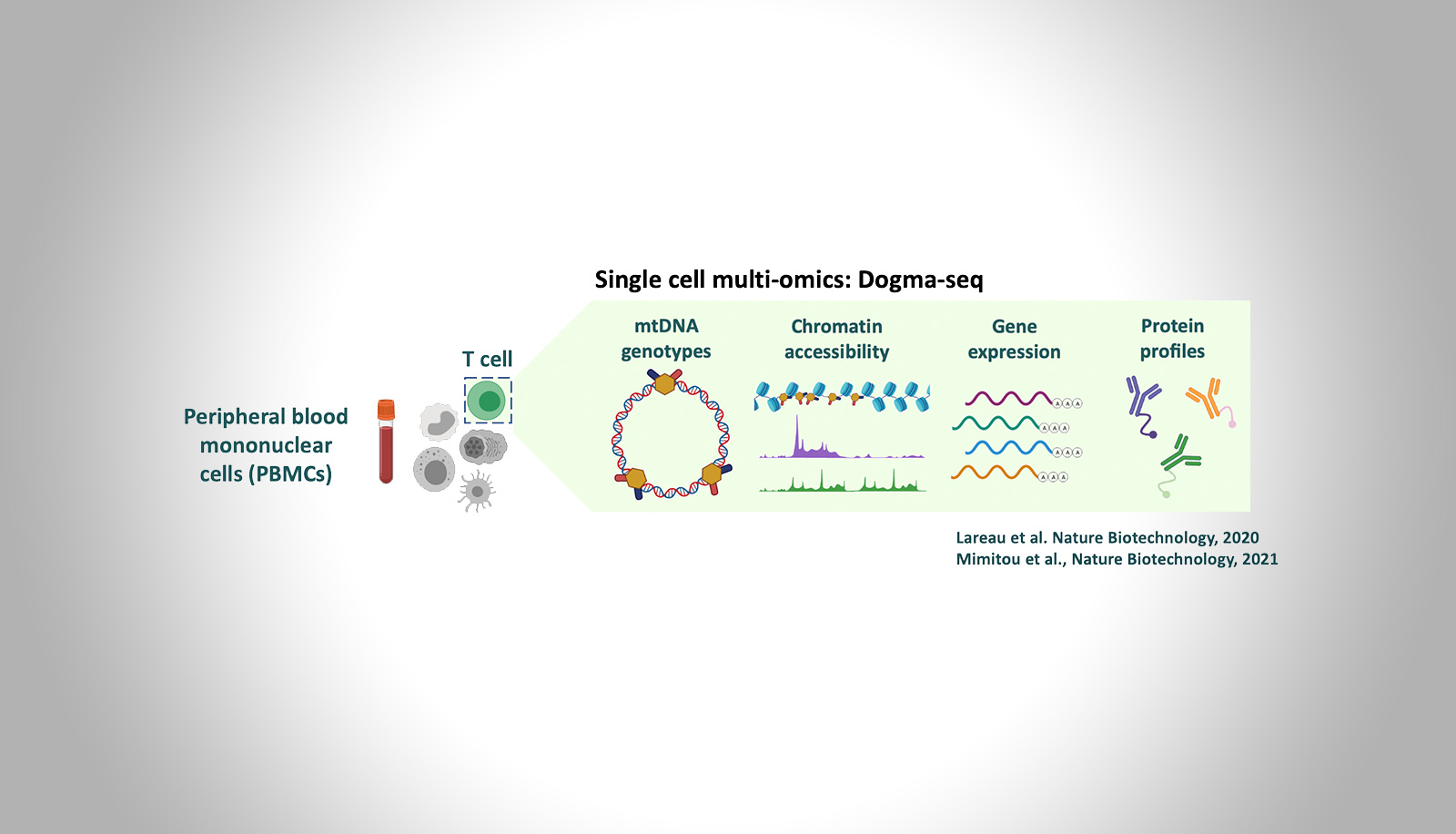
T cell differentiation and function are tightly regulated by numerous cellular processes, including cellular metabolism, which can be significantly affected by mitochondrial DNA (mtDNA) mutations. However, the impact of mtDNA mutational burden on T cell differentiation and functional heterogeneity remains poorly understood. Thus, this project aims to characterize the mtDNA mutational landscape and its functional consequences in human T cells using single-cell multi-omics approaches.
Main group heterohelicenes for applications in organic electronics and catalysis
Jan Niedens – Hector RCD Awardee Agnieszka Nowak-Król
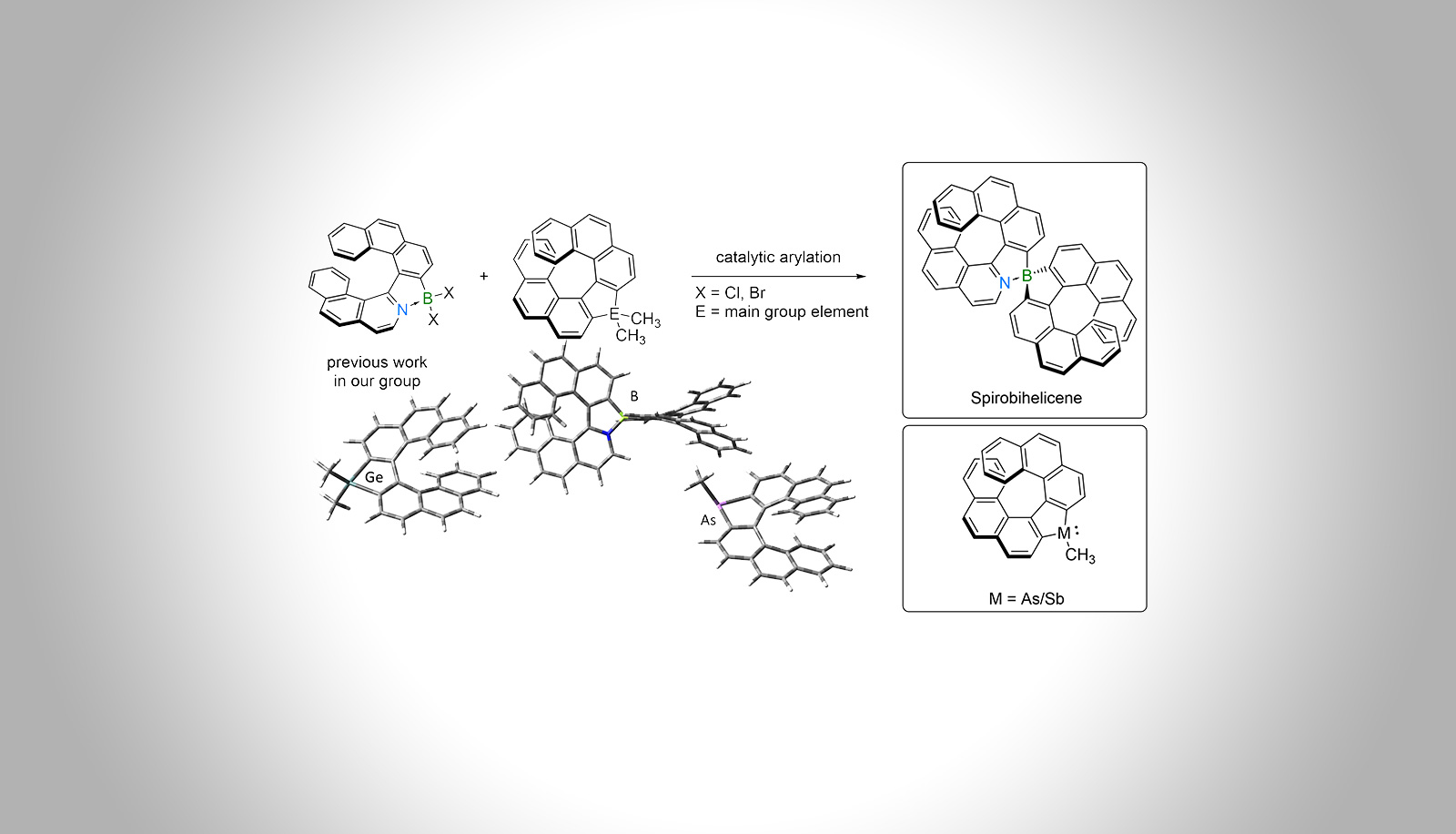
This project is focused on the synthesis of novel helically chiral compounds containing diarylborole, arsole and stibole units. The aim of this research is to obtain materials with improved optical and electronic properties by joining helical chromophores via boron as a spiro-atom. Additionally, helicenes containing arsenic and antimony could be used as ligands in asymmetric catalysis due to their higher stability towards oxidation, compared to the common phosphine analogues.
Alumni projects
Find here an overview of the already completed projects.