Networking and interdisciplinary knowledge transfer
Alumni projectsCompleted projects
The Hector Fellow Academy has created a dynamic network for its alumni in order to maintain the dialogue between outstanding scientists beyond the project period. The regular exchange and transfer of research results as well as the opportunity for long-term interdisciplinary cooperation makes the HFA a vital academy of science. We are pleased that the following projects have been successfully completed.

Completed interdisciplinary projects
Completed doctoral projects
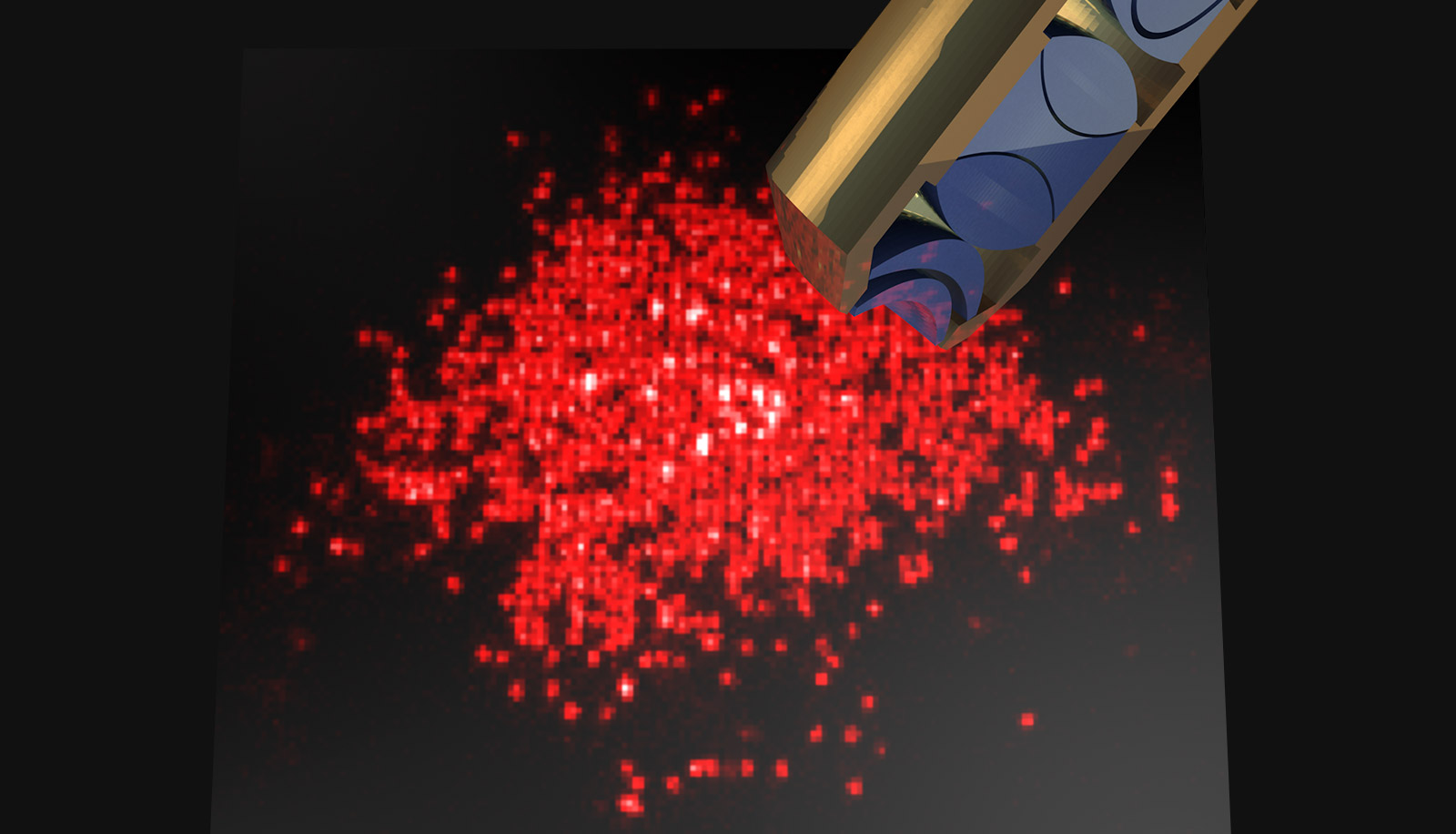
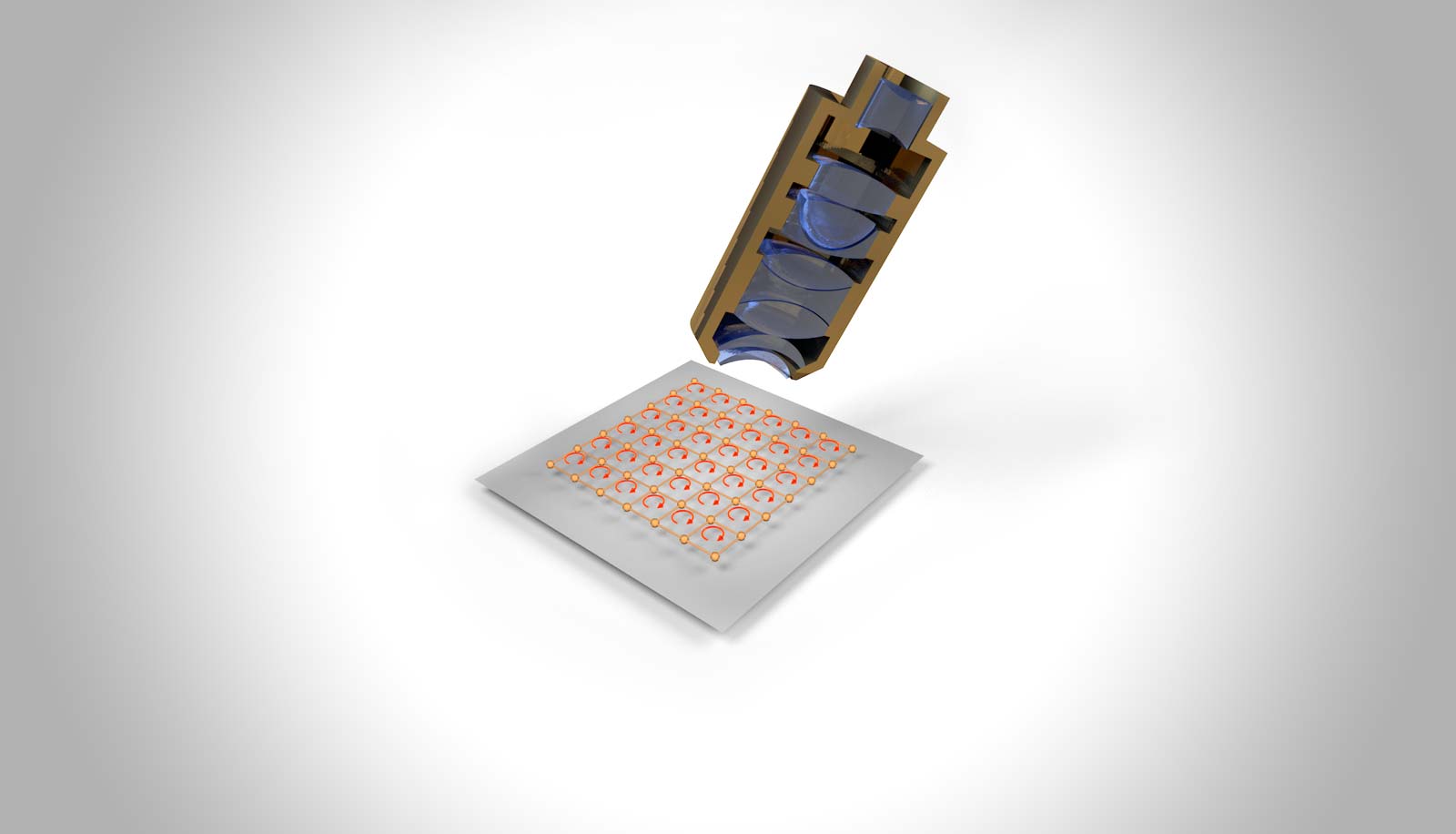
Fermionic Quantum Gas Microscope
Joannis Koepsell – Hector Fellow Immanuel Bloch
A rich variety of phenomena in solid state systems such as quantum magnetism or high temperature superconductivity still pose open questions on parts of their microscopic explanation. Due to the complexity of these systems, the underlying quantum many-body dynamics is often not accessible to computational simulation.
Influence of River Basin Morphology and Climate Change on Water Partitioning in Semi-Arid River Basins
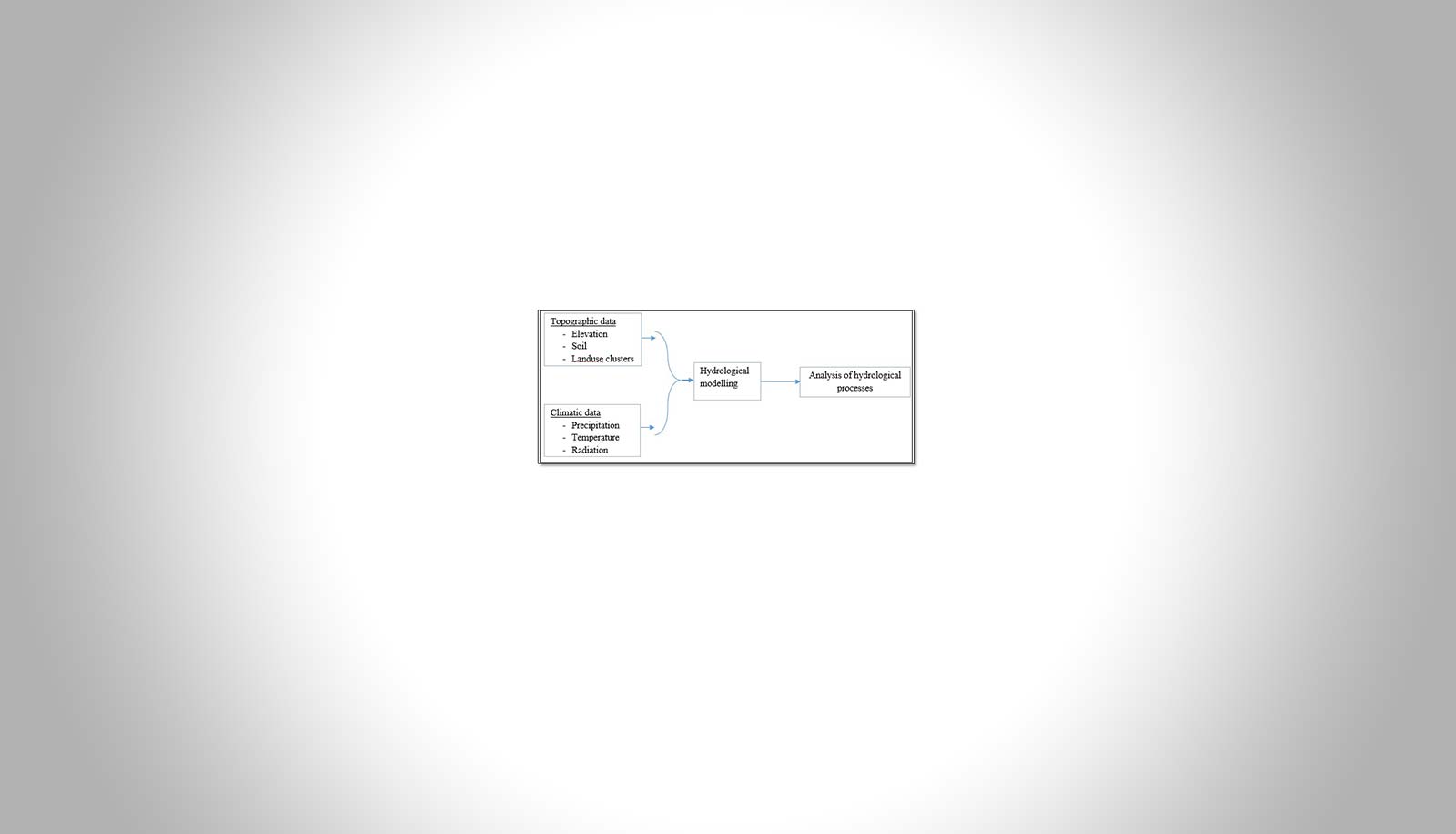
Phoebe Pauline Onjira — Hector Fellow Franz Nestmann
Increased anthropogenic activities and climate change are causing a global shift in patterns of water fluxes. Semi-arid river basins are characterized by more water stresses, extreme and sporadic climatic events, and have been projected to worsen in many regions under the influence of climate change.
RR Lyrae stars as tracers of substructure and Galactic archaeology
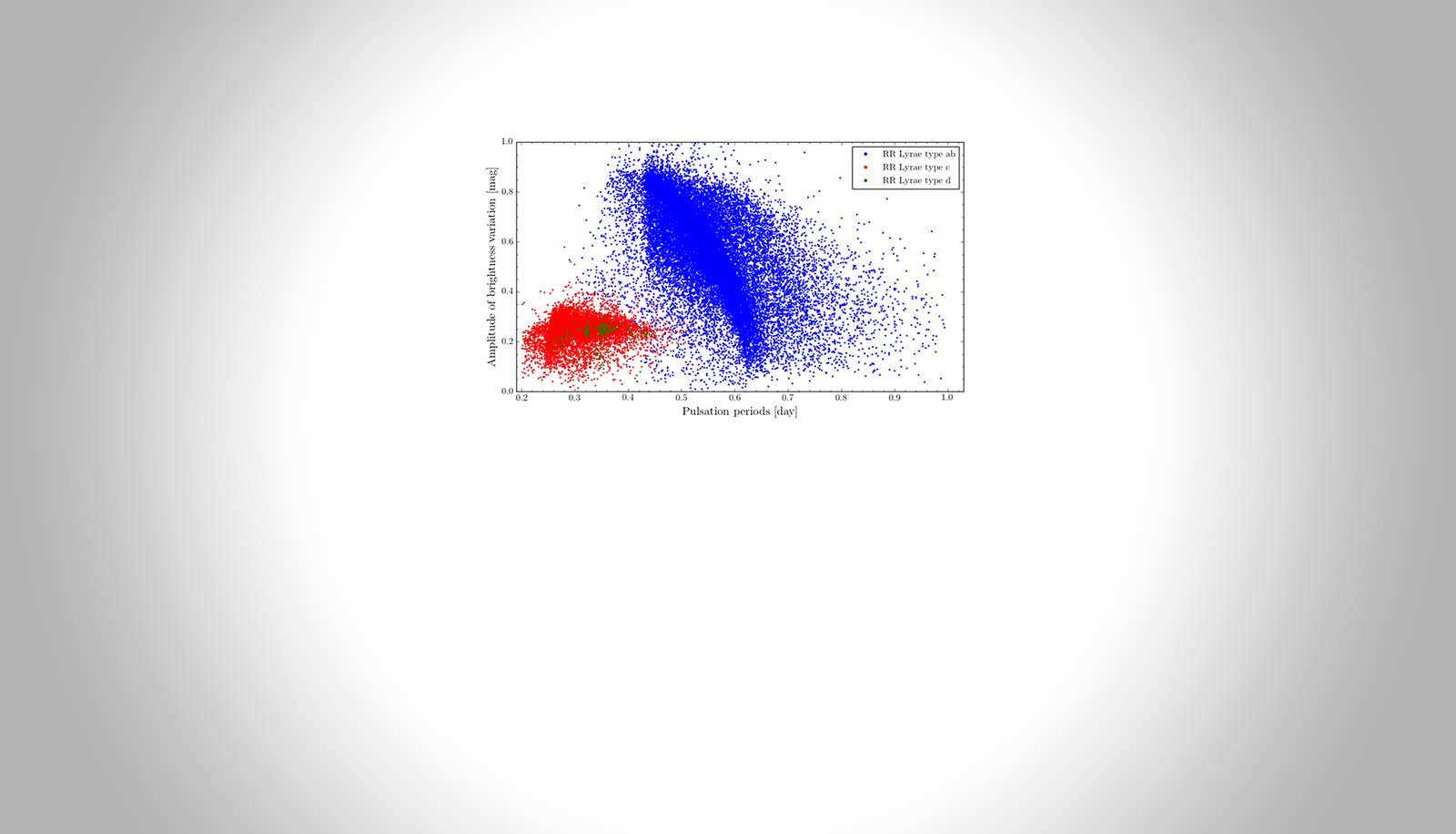
Zdenek Prudil — Hector Fellow Eva Grebel
Galactic archaeology uses stars as fossils to study the evolutionary history of galaxies like our own Milky Way. Cosmological simulations suggest that larger galaxies were partially formed by accreting smaller dwarf galaxies. Such merger events should leave observable signatures in the form of star streams, but empirical constraints on the times, numbers, and importance of such mergers are still missing.
Towards Topological Many-Body Physics Using State-Dependent Optical Lattices
Hendrik von Raven – Hector Fellow Immanuel Bloch
In modern condensed matter physics topology plays a fundamental role in the classification of phases of matter. A prominent example is the quantum Hall effect discovered in two-dimensional electron gases under extreme conditions. Quantum Hall insulators are isolating in the bulk, but exhibit conducting edge states, which results in a quantised Hall conductance.
Genetic & Developmental Basis of Color in Cichlid Fish
Margaret Sefton – Hector Fellow Axel Meyer
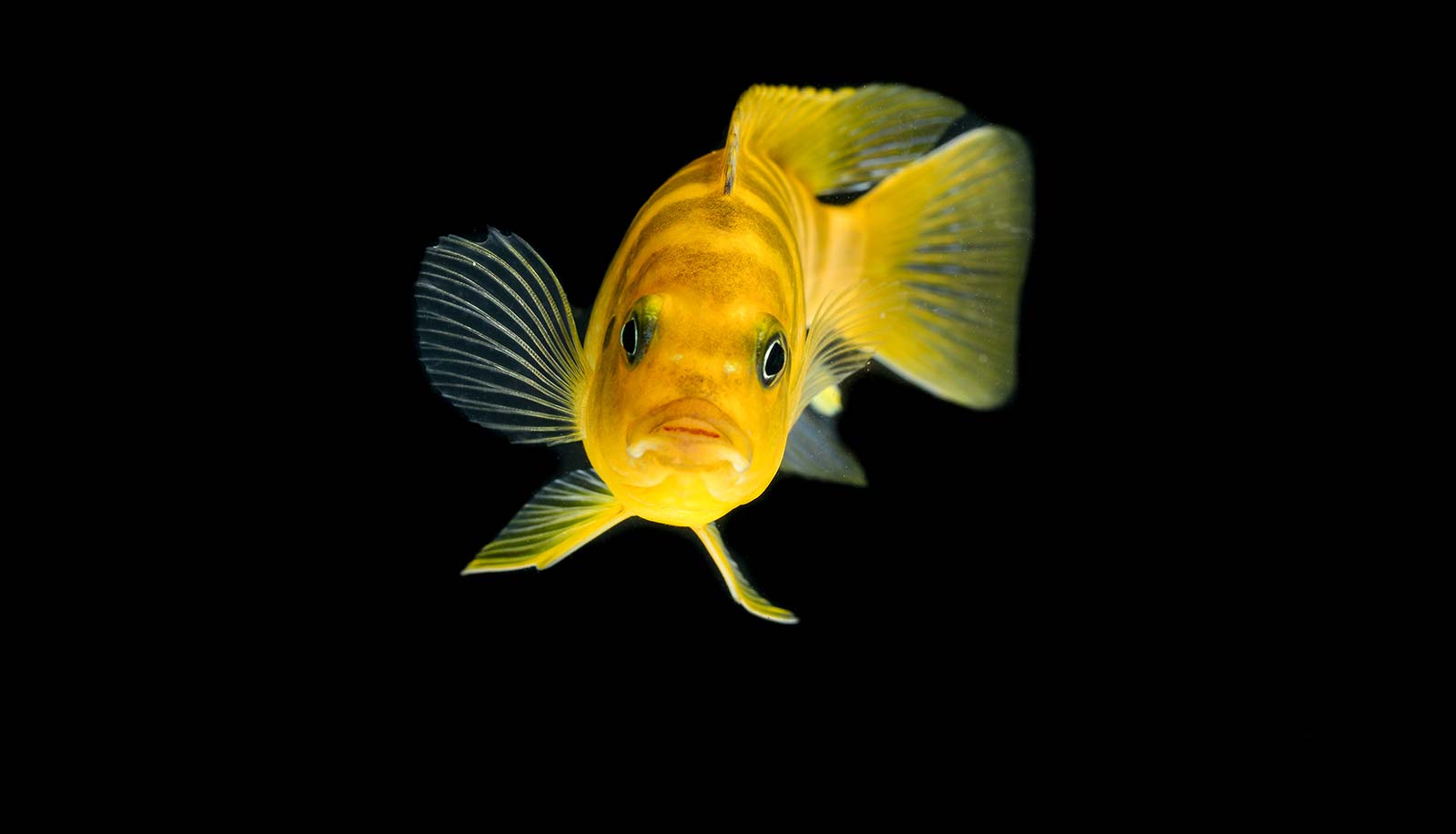
Cichlid fish are well-known for their beautiful colors and multitude of body shapes. They are found in the East African Rift lakes where they have formed so-called adaptive radiations, in which hundreds of new species originated extremely quickly – sometimes within less than 100,000 years.
Accommodation Behavior and Ciliary Muscle Activity in Myopia
Sandra Wagner – Hector Fellow Eberhart Zrenner
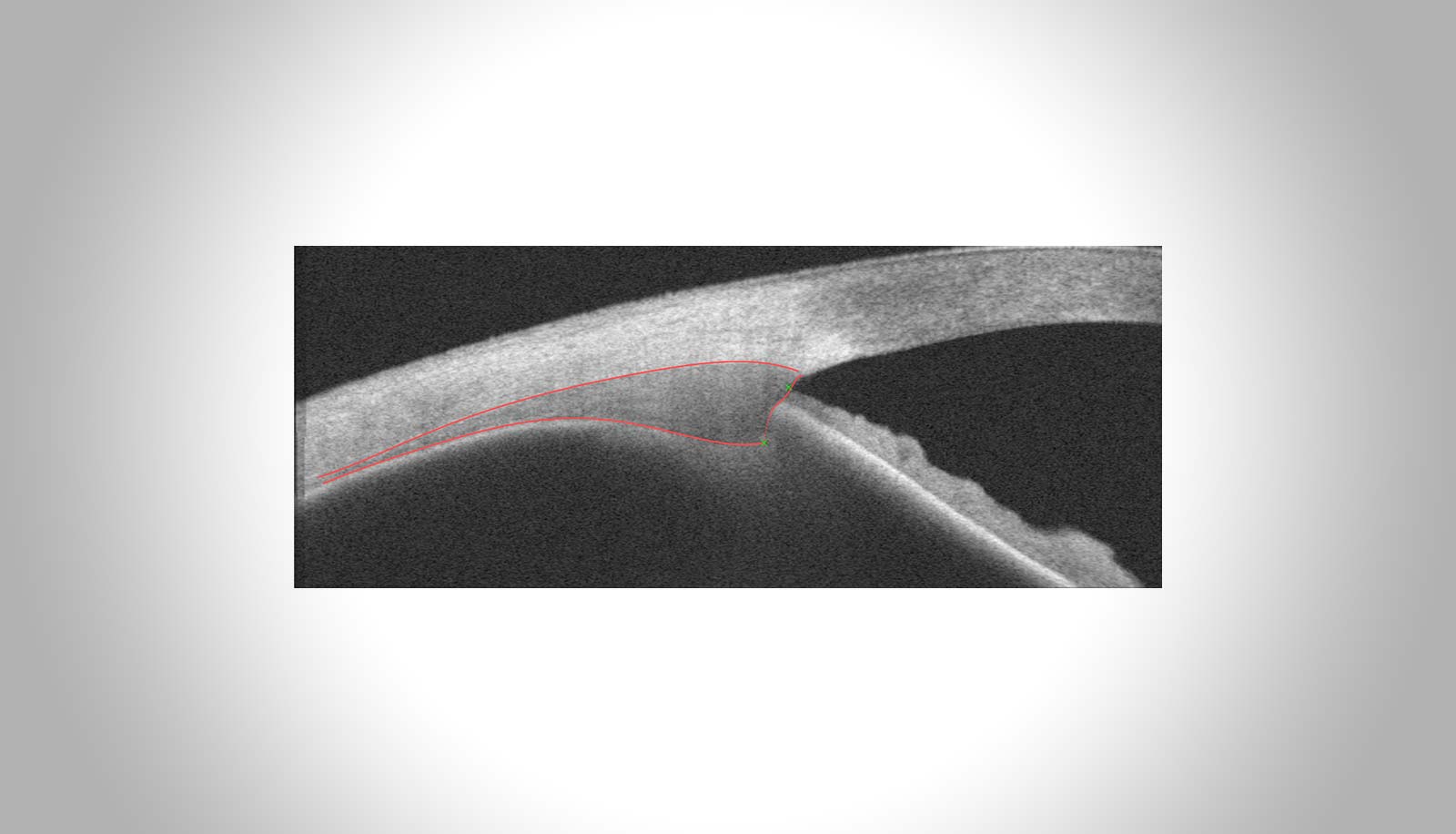
Prevalence of myopia (shortsightedness) increases considerably in industrialized countries. The mechanisms behind this development need to be fully understood in order to arrive at prevention. The aim of Sandra Wagner’s research was to allow a better understanding of accommodation, address unanswered question regarding myopia onset and support the development of new devices.
Strategies to escape viral infection in archaea
Zaloa Aguirre – Hector RCD Awardee Tessa Quax
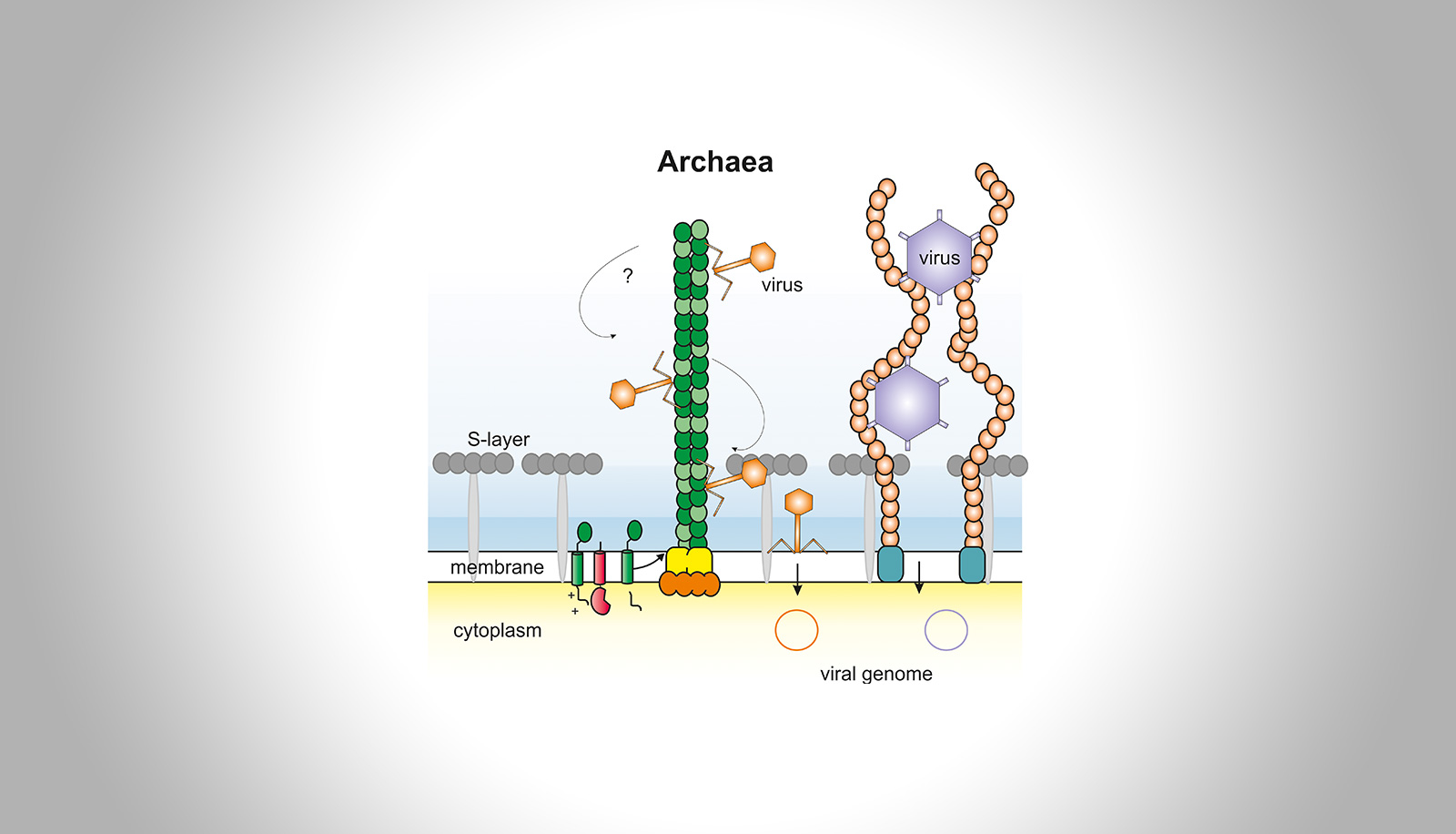
Viruses are the most abundant biological entities on Earth. Although they infect members of the three domains of life, little is known about the infection mechanisms of archaeal viruses. The aim of this research is to gain insight into the interaction between halophilic archaeal cells and their viruses by using a combination of light and electron microscopy with molecular biology and virological techniques.
Mechanical manipulation of molecular spins in CNT resonators
Tim Althuon – Hector Fellow Wolfgang Wernsdorfer
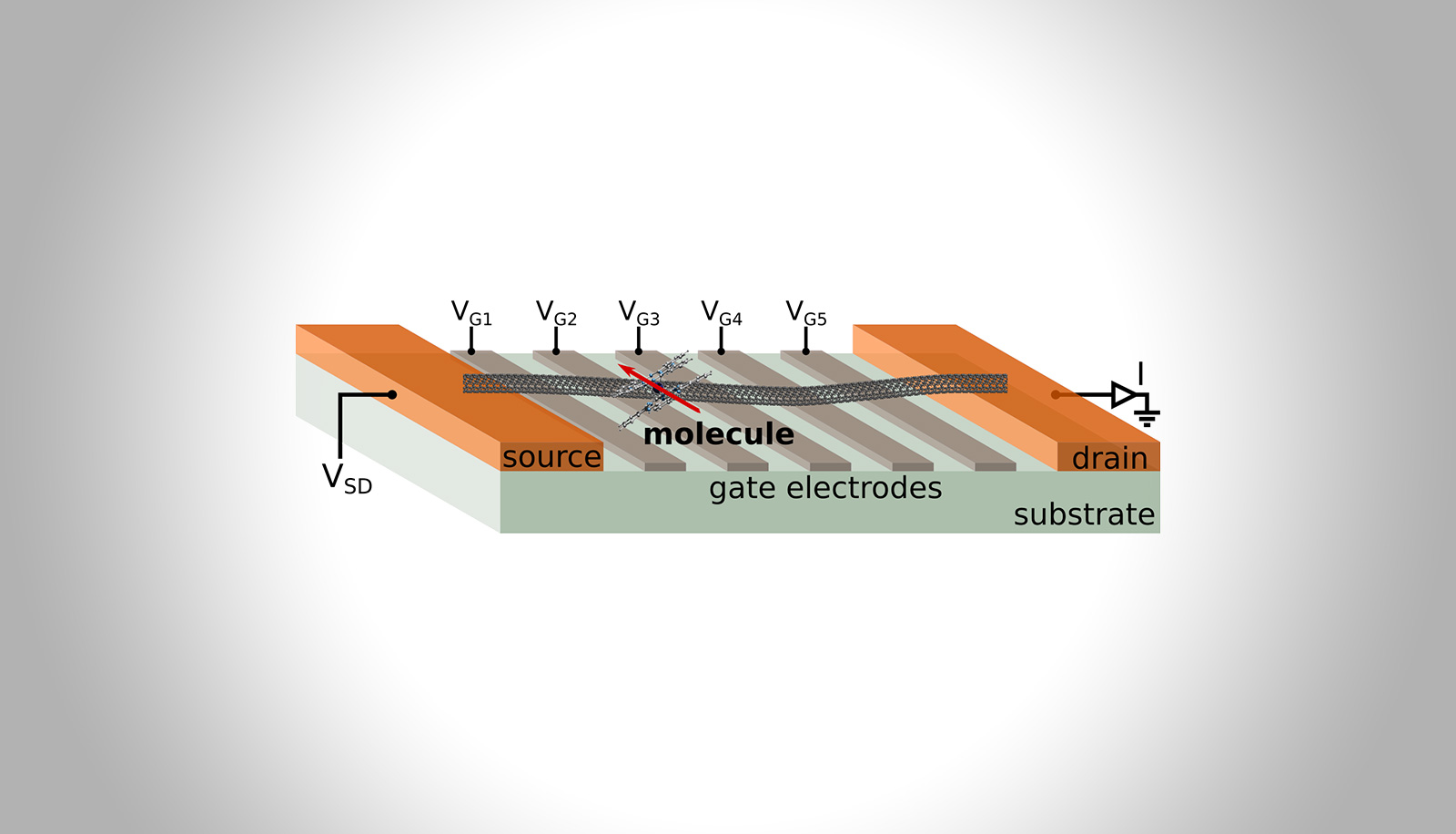
Carbon nanotube (CNT) resonators will be designed and fabricated to exploit their sensing properties. We will graft a single-molecule magnet (SMM) on such a CNT resonator in order to manipulate its spin states via the mechanical motion of the CNT. Using this nanomechanical approach, single-molecule magnets will be investigated with the long-term prospect of applying them in future quantum technologies.
Temporal and spatial microbial dynamics in the Arctic Ocean
Magda Cardozo-Miño – Hector Fellow Antje Boetius
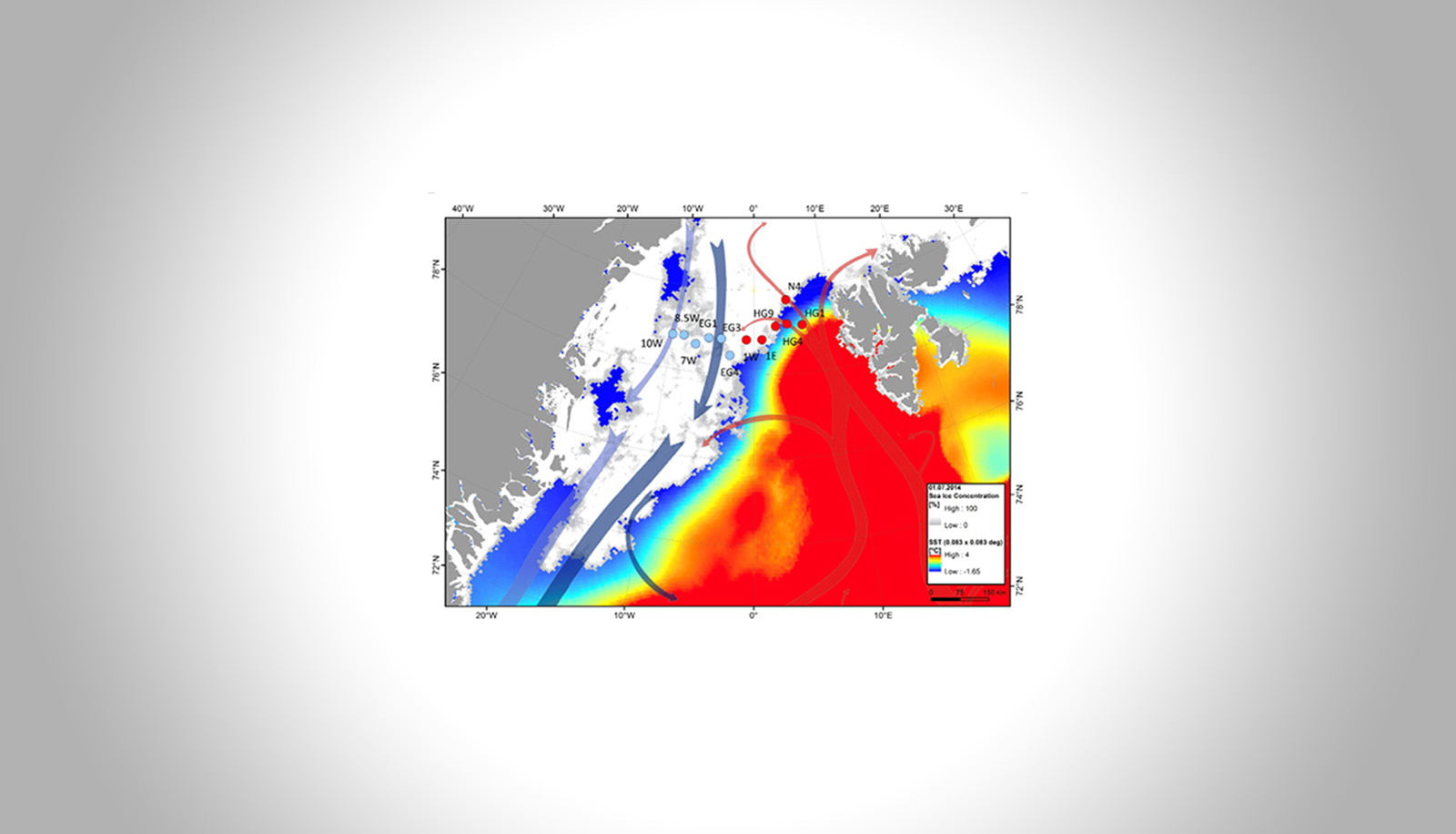
The project investigates composition and function of microbial communities in Fram Strait, the major gateway between the Arctic and the Atlantic Oceans, and how these are linked with environmental conditions. A series of cutting-edge, molecular approaches are applied to assess microbial functional capacities, community composition and their temporal variation in a region under special threat by climate change. The project is supervised by Hector Fellow Antje Boetius.
Land Subsidence & Groundwater Salinization in the Mekong Delta
Felix Dörr – Hector Fellow Franz Nestmann
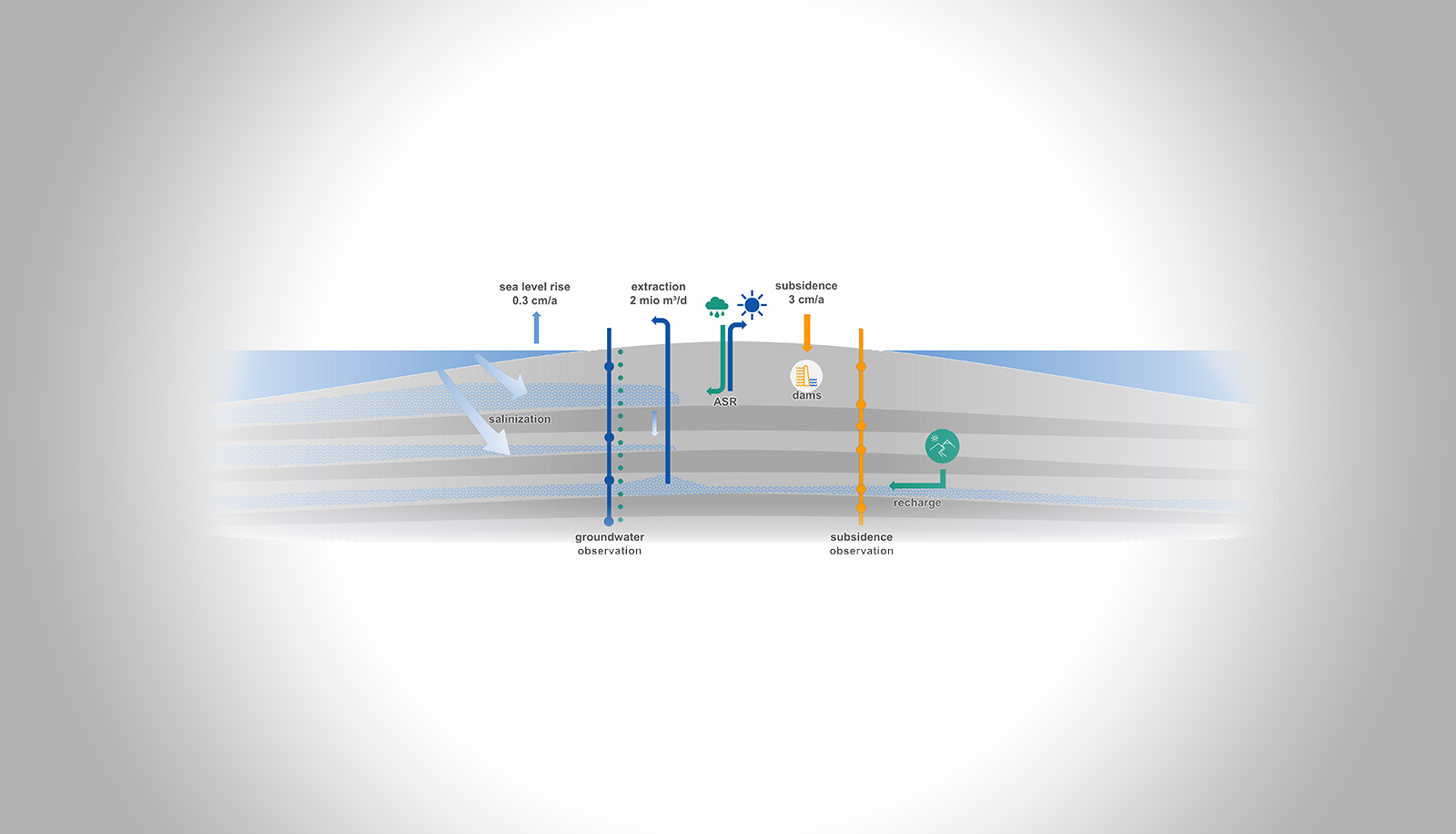
Land subsidence and groundwater salinization are existence-threatening environmental changes in the Mekong Delta (MD). Their origin and process dynamics are not fully understood yet. By innovative measurement technology, field/lab investigations and numeric modeling, a comprehensive understanding of the processes is developed and the effect of potential countermeasures can be examined. The elaborated knowledge is the basis for sustainable water concepts in the MD and other delta areas worldwide.
Unveiling the Galactic History with Pulsating Variable Stars
Gustavo Medina Toledo – Hector Fellow Eva Grebel
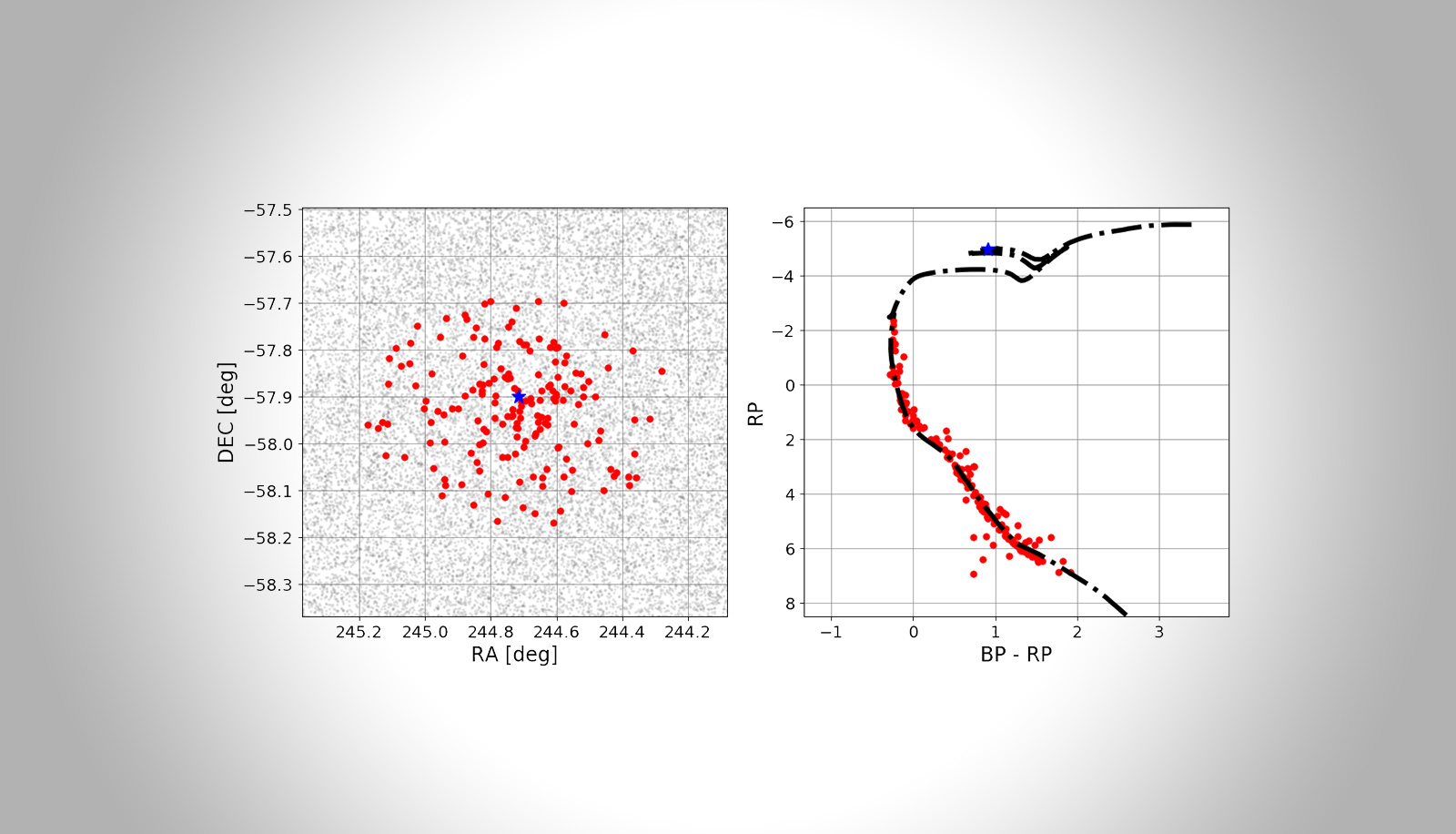
This project aims to explore the use of young and old pulsating variable stars to improve our current understanding of the Milky Way. This will be achieved by performing a novel study of the kinematics, ages and chemical compositions of Cepheids and RR Lyrae stars which, in spite of being archetypes of different stellar populations, represent key tracers of the recent star formation and assembly history of the Galaxy.
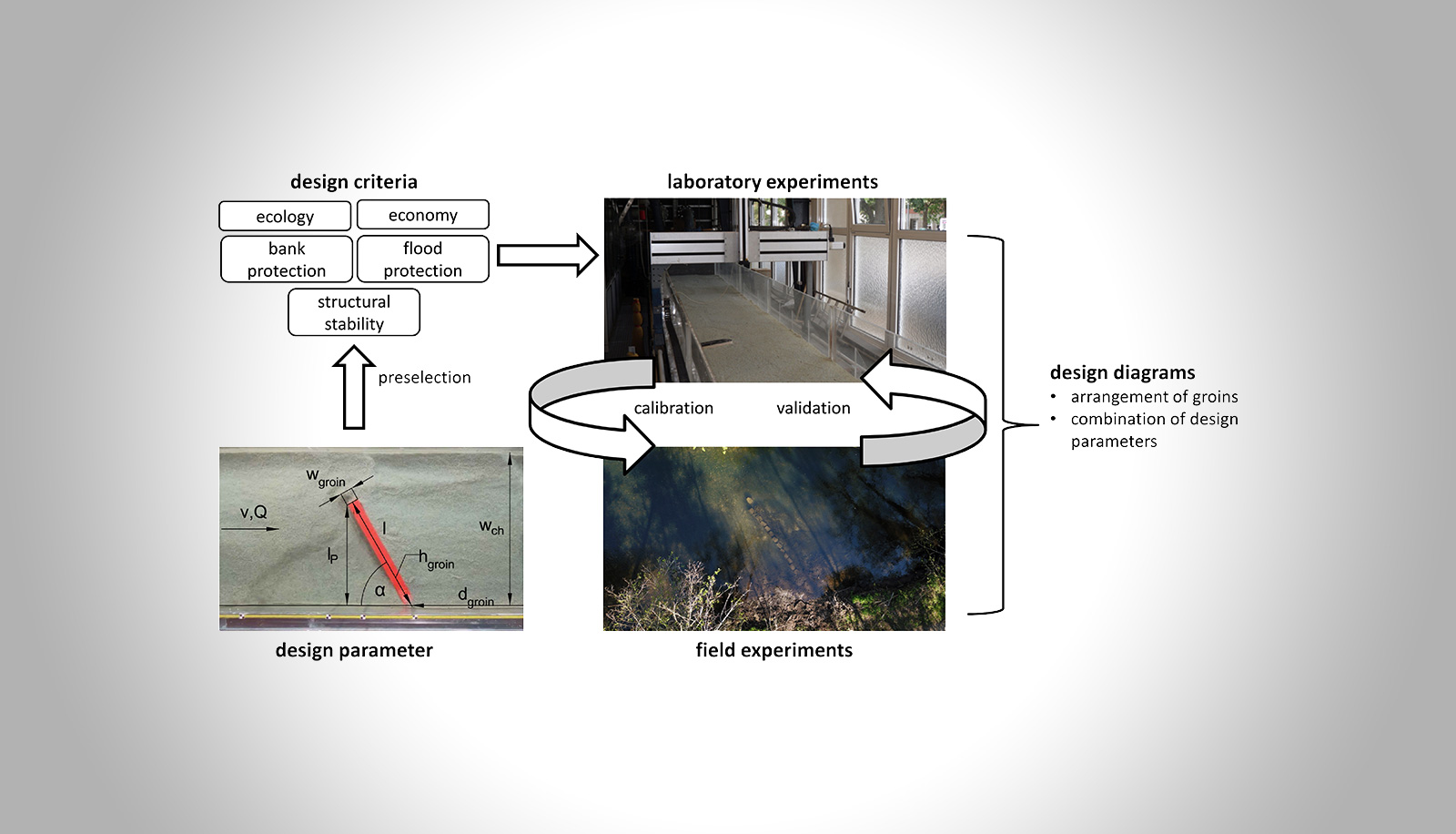
Bank Structuring in Urban Environments through Micro Groins
Andreas Müller – Hector Fellow Franz Nestmann
The European Water Framework Directive requires that all waterbodies achieve a good ecological status until 2027. In urban environments the restricted spatial conditions and different interests cause problems in river restoration.