

Networking and interdisciplinary knowledge transfer
Alumni projectsCompleted projects
The Hector Fellow Academy has created a dynamic network for its alumni in order to maintain the dialogue between outstanding scientists beyond the project period. The regular exchange and transfer of research results as well as the opportunity for long-term interdisciplinary cooperation makes the HFA a vital academy of science. We are pleased that the following projects have been successfully completed.

Completed interdisciplinary projects
Completed doctoral projects
Sensitive period plasticity and functional recovery after sight restoration
Rashi Pant — Hector Fellow Brigitte Röder
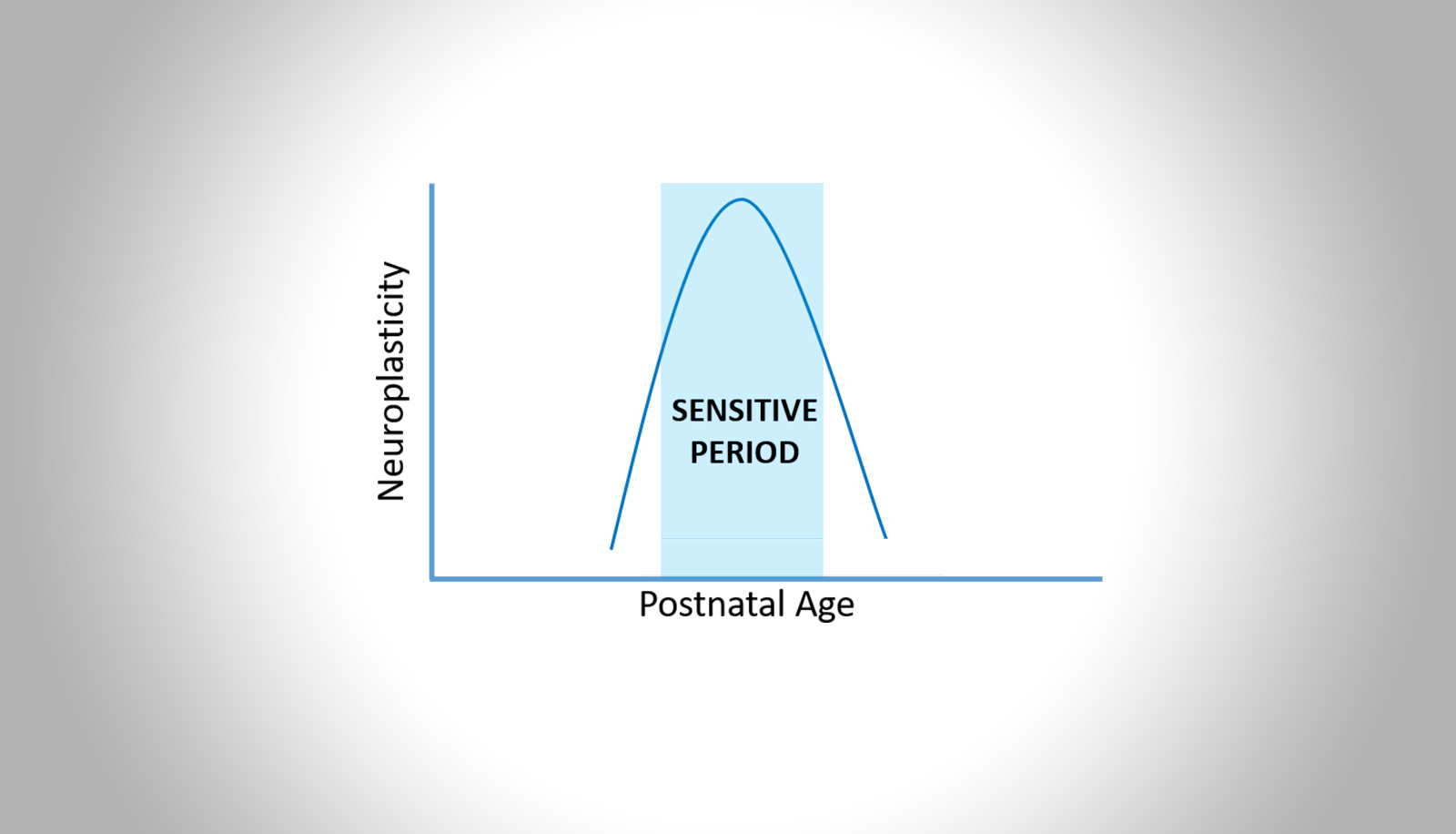
Visual experience during a sensitive period is crucial for the normal development of the brain. Individuals who are treated for congenital cataracts more than a few weeks from birth suffer from low visual acuity as well as specific deficits (such as impaired face processing). This project investigates the possible mechanisms that mediate this sensitive period, by non-invasively assessing brain structure and function in congenitally and developmentally visually deprived individuals.
Mechanisms of Reproductive Isolation During Rapid Speciation
Sina Rometsch – Hector Fellow Axel Meyer
Reproductive isolation, the ceased exchange of genetic material, is crucial for the divergence of populations into distinct species. This is commonly facilitated by an extrinsic physical barrier, but rarely it can also occur devoid of such barriers. Whether speciation proceeds by the same or different reproductive isolation mechanisms under these two geographic scenarios remains a matter of debate. We aim to contribute to this fundamental question in biology by taking advantage of a model system of speciation: the Midas cichlid fishes.

Epigenetic Underlying of Appetitive Aggression
Anja Rukundo-Zeller – Hector Fellow Thomas Elbert
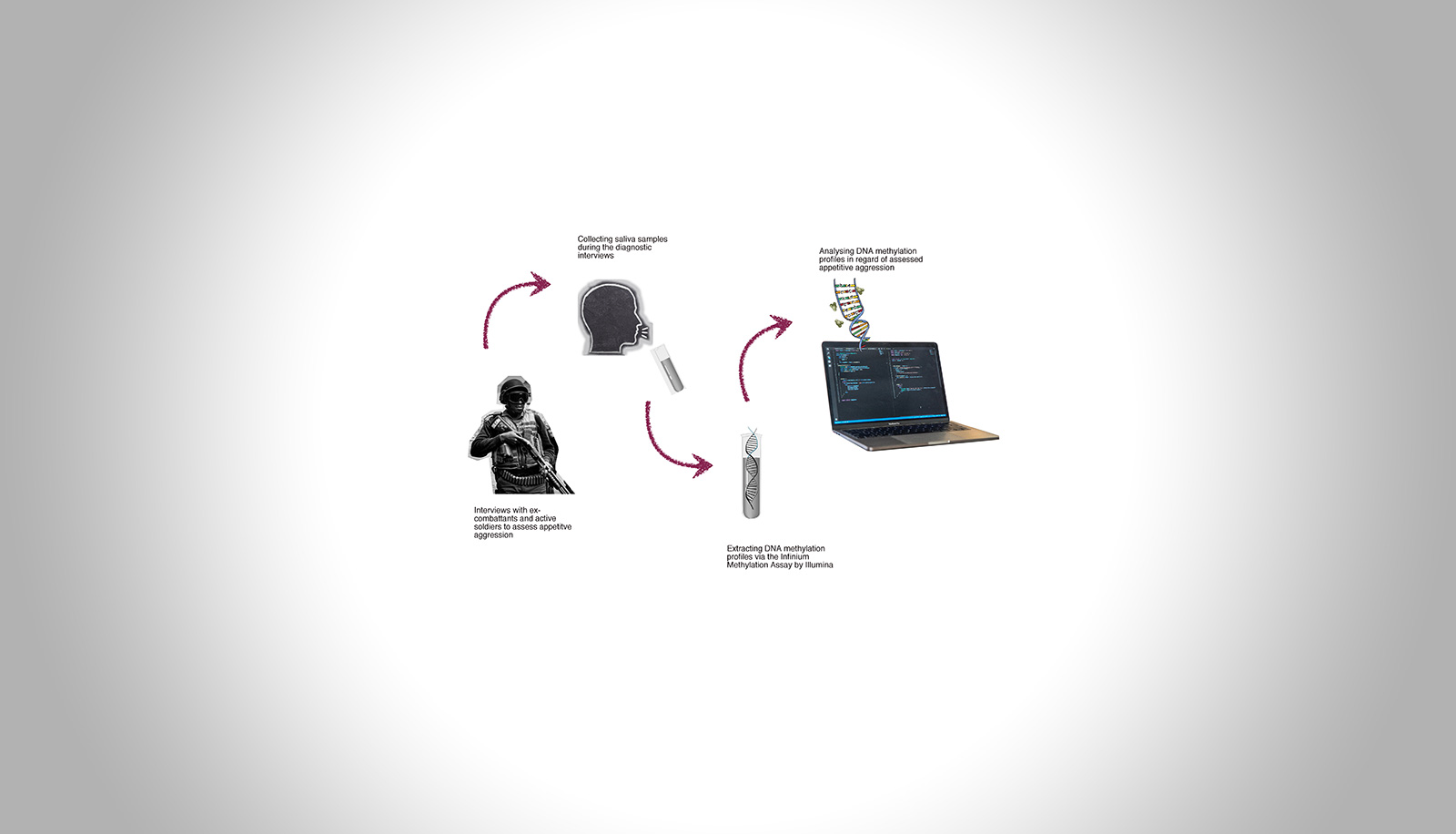
Aggression can be distinguished in a reactive form, which is a protective response to an acute threat and an instrumental form, which is goal directed. Appetitive aggression is a sub form of instrumental aggression, which is defined by the experience of lust when perpetrating violence. So far, the latter has been only assessed through self-report. The doctoral project under supervision of Prof. Thomas Elbert intends to create an objective, epigenetic marker for appetitive aggression.
Helicity Preserving Cavity for Circular Dichroism Enhancement
Philip Scott – Hector Fellow Martin Wegener
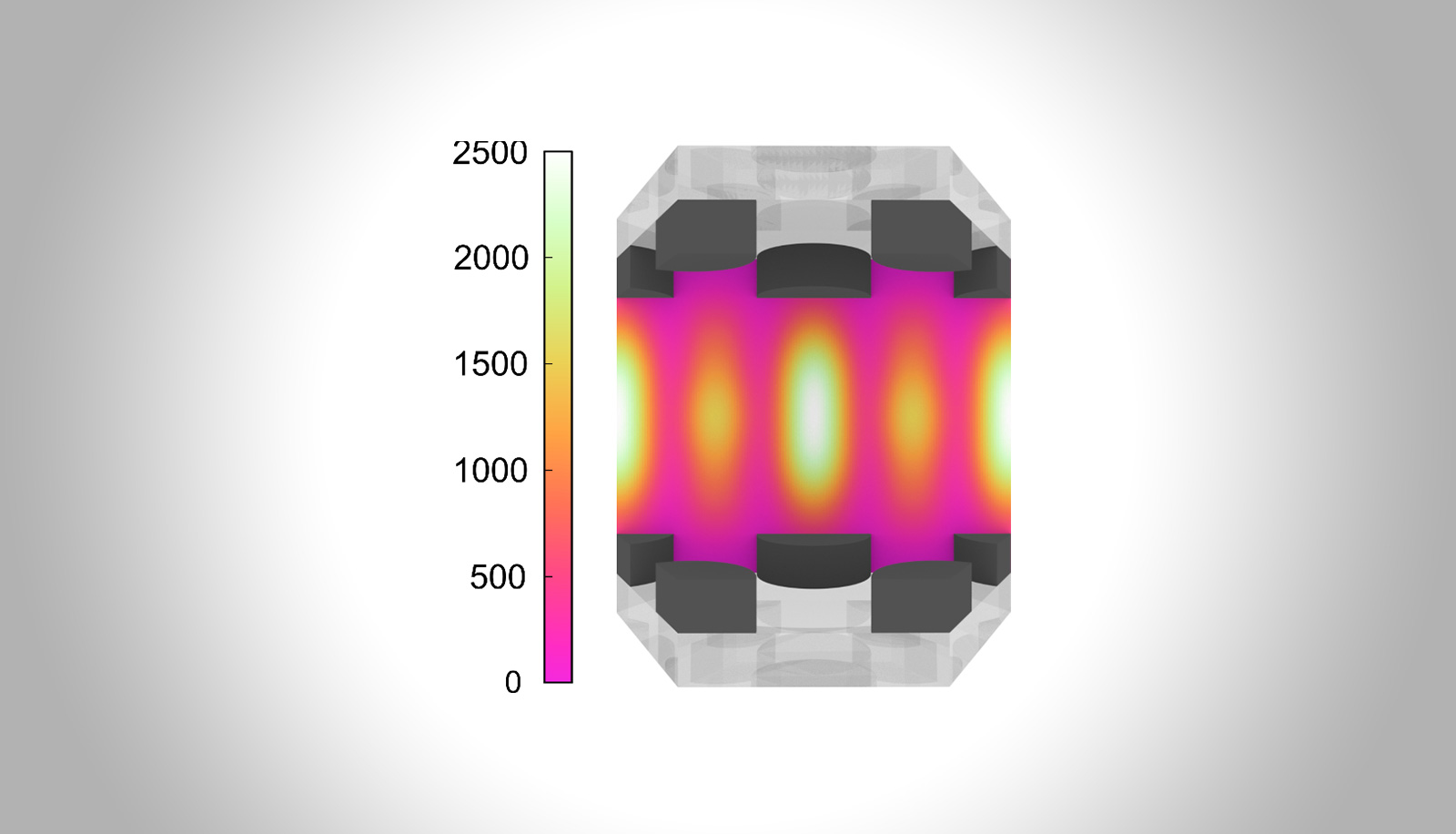
Most modern drugs are made up of one handedness of a chiral molecule (one enantiomer). In many cases, depending on the handedness of the enantiomer, the drug could have either beneficial or harmful effects, thus is it desirable to be able to detect the handedness. Circular dichroism (CD) spectroscopy can differentiate between the handedness due to differential absorption of circularly polarised light but suffers from weak signals; therefore, a method that can enhance the signal is desired.
Realizing a Quantum Processor based on Strontium Rydberg Atoms
Maximilian Ammenwerth – Hector Fellow Immanuel Bloch
In this project, an innovative quantum gas microscope is developed that makes use of optical tweezers to rearrange neutral strontium atoms into configurable and defect-free patterns. This allows for rapid initialization of the system and serves as a starting point for the analog simulation of quantum many-body systems and as a qubit register for digital quantum computing. Exploiting long-range Rydberg interactions enables the simulation of spin models and the implementation of quantum logic gates.

Gold-catalyzed functionalization of 1,3‑diyne derivatives
Philipp Stein – Hector Fellow A. Stephen K. Hashmi
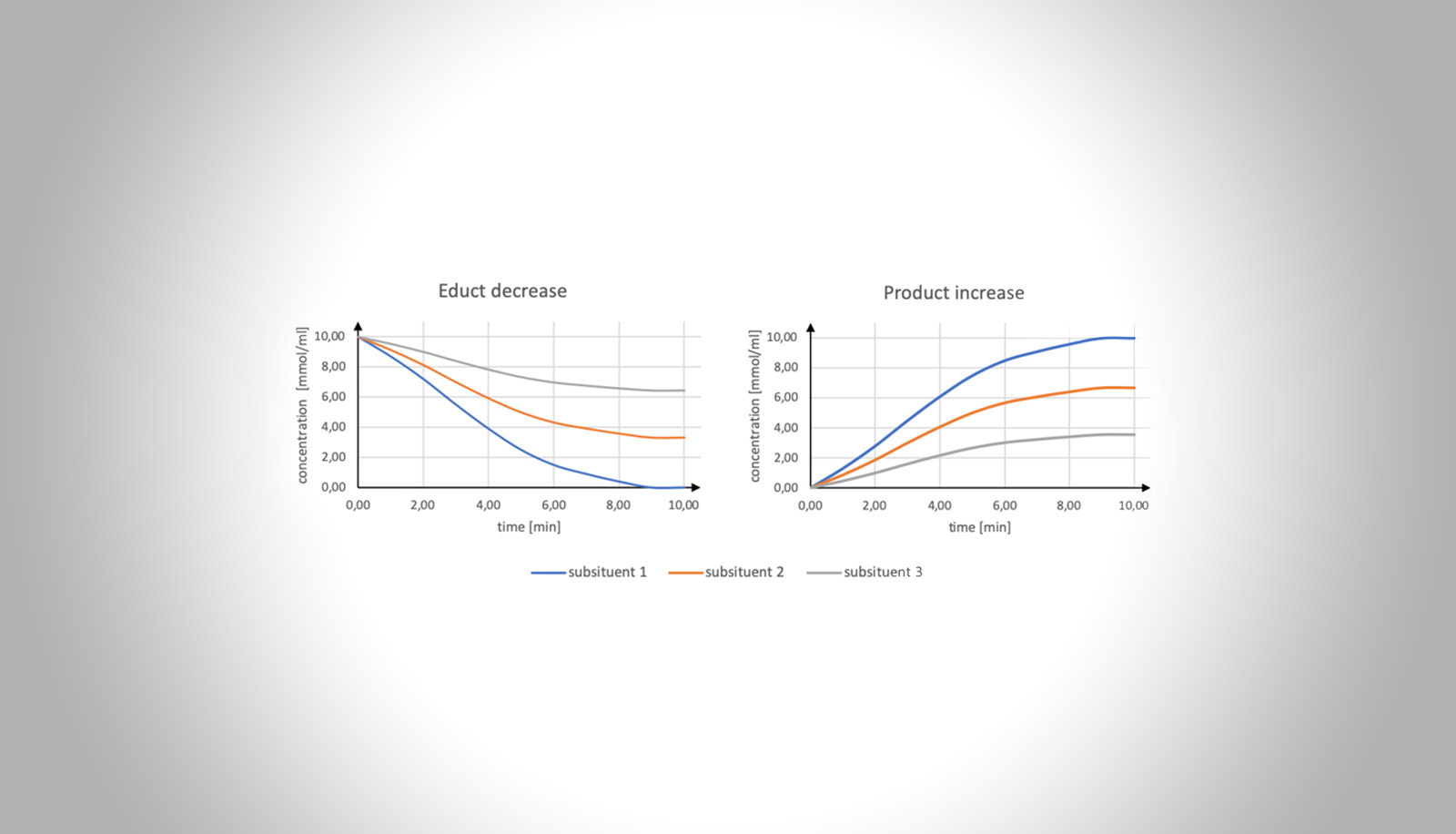
The efficient design of chemical processes is of great importance for the chemical industry. Current research makes an essential contribution to synthesizing complex substrates inexpensively in as few steps as possible and in high yield. This PhD project, under the direction of Hector Fellow A. Stephen K. Hashmi, therefore, deals with the mechanism and the functionalization of a wide range of 1,3‑diynes with varying nucleophiles.
The investigation of the formation- and purpose of black matter in anaerobic methane oxidisers and methanogens
Stian Torset – Hector Fellow Antje Boetius
The project investigates the structure, purpose, and mechanisms of origin for amorphous carbon formed by methanogenic and methane-oxidizing archaea. I will use advanced biophysical, computational, and genetic tools to determine the genes, proteins and structures, including the molecular mechanisms involved in the formation of this carbon. Potential applications will be assessed. The project is supervised by Hector Fellow Antje Boetius.

1,3‑Diketon Based Ligands for Transition Metal Catalysis
Jonas Wunsch – Hector Fellow A. Stephen K. Hashmi
The development of catalysts to increase the chemical efficiency or to find completely new chemical reactions has found great interest. For this a wide variety of ligands are needed. The doctoral is supervised by Hector Fellow A. Stephen K. Hashmi and aims at developing new ligands that are based on the formal double deprotonation of 1,3‑diketones and thereby enlarging the chemical space of known ligands. For this new synthetic methods have to be found and the obtained ligands have to be tested and characterised.
