Highly Cited Researchers 2025
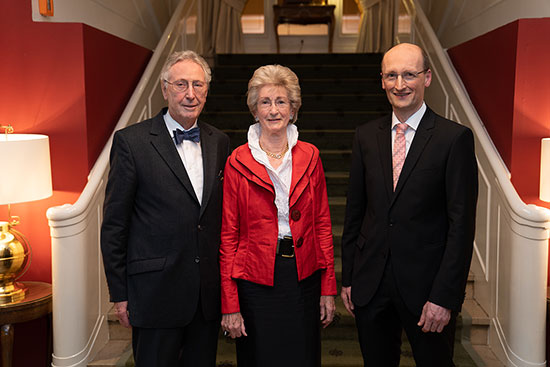
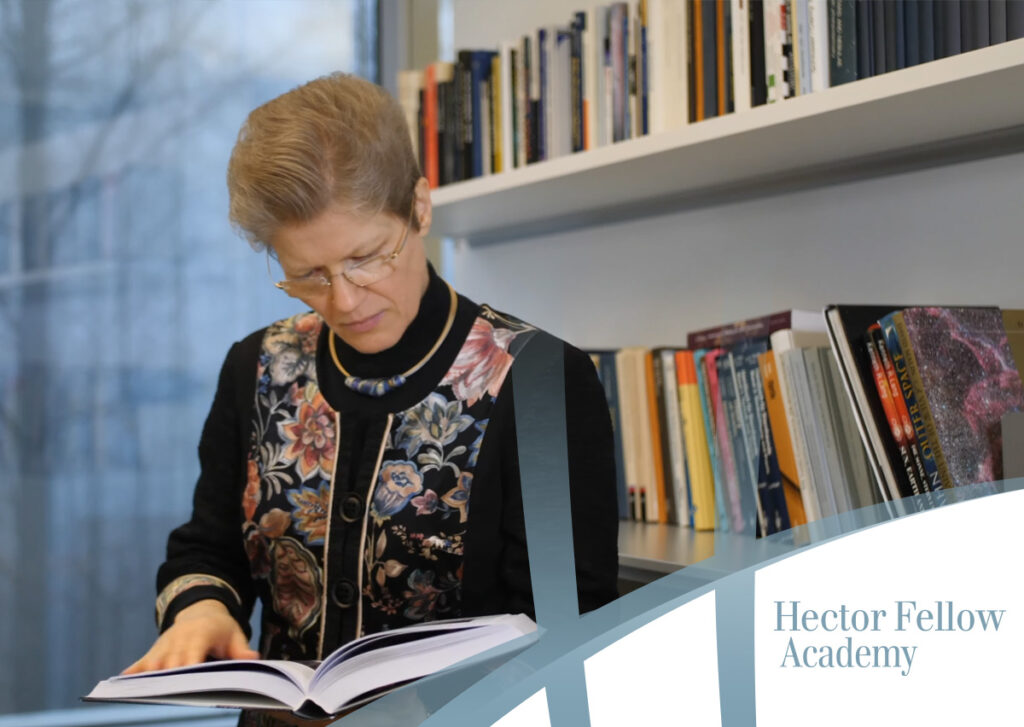
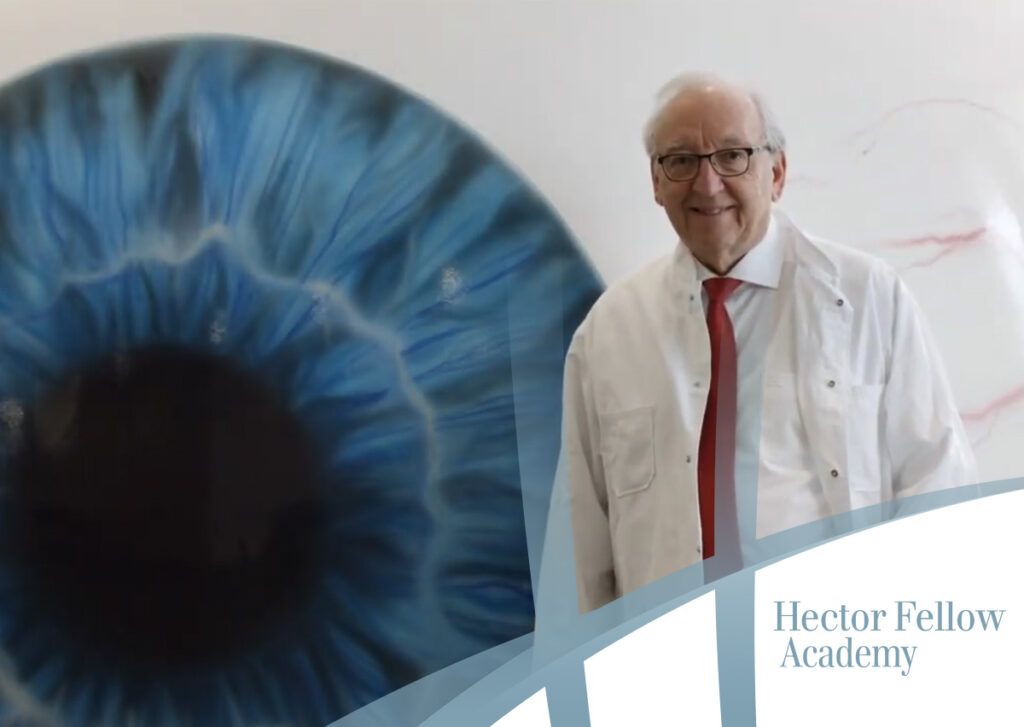
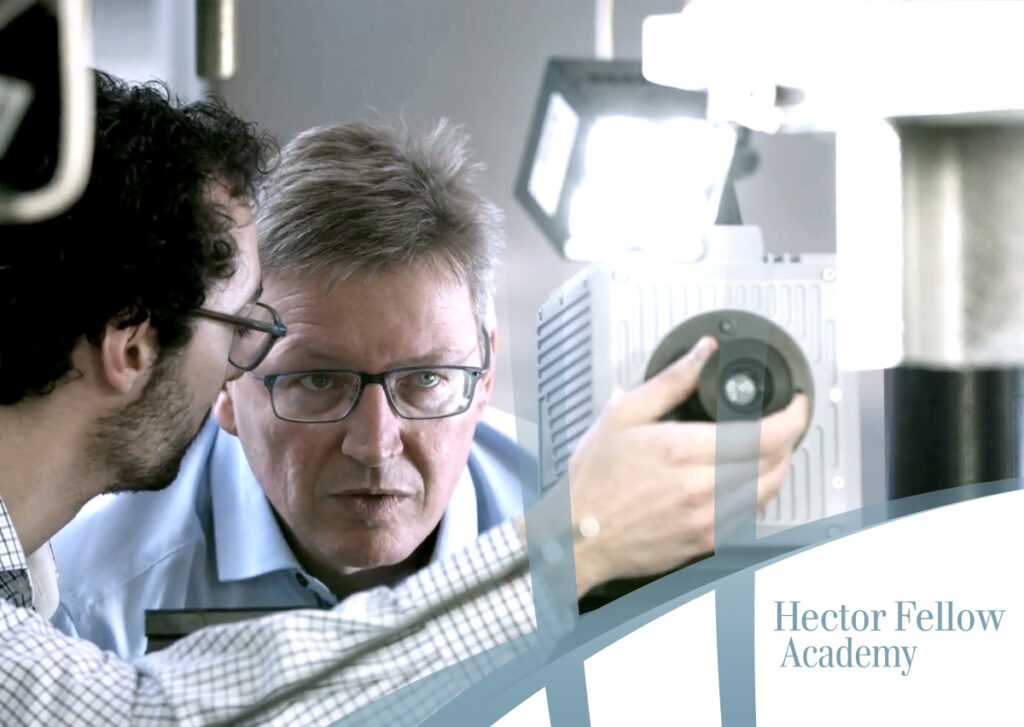
Ralf Bartenschlager, Immanuel Bloch, Patrick Cramer, Christoph Klein, and Dylan Nelson among the world’s most cited scientists
Quantum computing has the potential to provide speedups for classical problems such as complex simulation, optimization and cryptography tasks, but requires scalable and reliable qubit technologies. Semiconductor spin qubits combine long coherence times with established industrial fabrication techniques. This project focusses on implementing high-fidelity two-qubit gates, which are then expanded to multi-qubit arrays and quantified by applying quantum information algorithms together with rigorous benchmarking.
This project explores how subcortical structures such as the amygdala, thalamus, basal ganglia, cerebellum and hippocampus shape social cognition. Using high-resolution fMRI, diffusion MRI and computational modeling it examines how connections between subcortex and cortex support empathy, perspective taking and emotional regulation.
Visual perceptual learning (VPL) – a type of visual skill learning – has often been studied in adults as a model system to identify neural mechanisms of learning. However, it is unclear whether children employ similar neural mechanisms for VPL as adults. In this project, we will use non-invasive brain imaging to measure and compare neural mechanisms of VPL in children and adults and examine whether and if so how learning changes from childhood to adulthood.
Apply Now Until October 15!
The cytotoxicity of organic tin compounds makes them interesting for cancer chemotherapy. Organotin chalcogenide clusters release under acidic decomposition not only an organic tin compound but also an even more toxic hydrogen chalcogenide. To enable biocompatibility of those clusters, they must be derivatized with biomolecules. This project aims to synthesize biofunctionalized organotin chalcogenide clusters and to investigate their decomposition behavior.
Mitochondrial protein import is mediated by the presequence translocase of the inner membrane (TIM23 complex). While Tim17 is central for inner membrane translocation, the exact role of Mgr2, a small transmembrane protein, remains unclear. This project aims to define the function of Mgr2 in precursor protein import, membrane insertion, and translocase stability using genetic, biochemical, and structural approaches.
Support for Ambitious Young Researchers on the Path to a Professorship